Power
Eskom Grid Strengthens as Outages Fall by 5GW
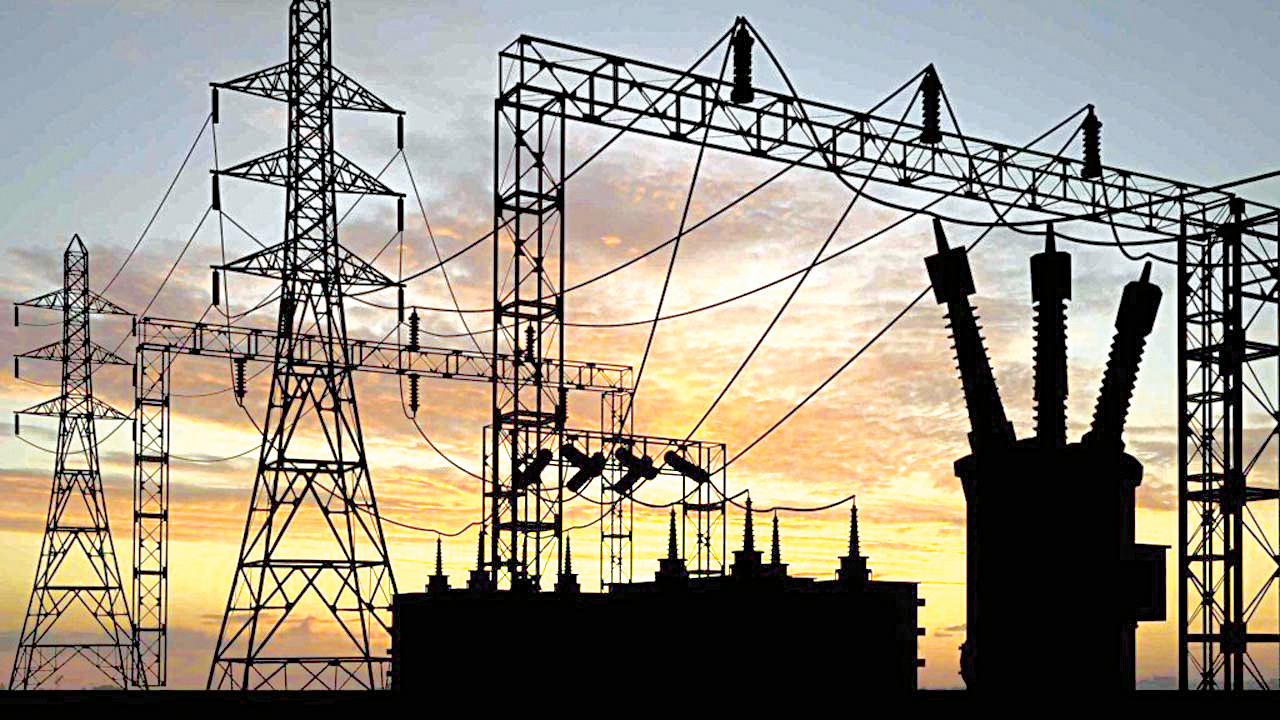
South Africa’s grid is holding up well, with Eskom reporting a sharp drop in unplanned outages and continued stability during the winter peak period.

South Africa’s electricity system continued to show marked improvement in the past week, with Eskom reporting a sharp drop in unplanned outages and steady progress in maintaining grid stability through the winter demand period.
The utility said it reached 365 consecutive days without loadshedding on 15 May 2026, the first full year without power interruptions since September 2018. That milestone points to a stronger and more reliable generation system, supported by ongoing recovery work across the fleet.
For the financial year to date, from 1 April to 21 May 2026, Eskom’s Energy Availability Factor stood at 62.06%, up from 57.13% in the same period last year. The improvement reflects continued gains under the turnaround programme and a stronger performance than the corresponding period three years ago.
Between 15 and 21 May 2026, average unplanned outages fell to 9,296MW, compared with 14,513MW in the same week last year. Eskom noted that this reduction is equal to restoring more capacity than the total installed output of Kusile power station.
The lower outage level also pushed the Unplanned Capacity Loss Factor down to 19.65%, from 30.48% in the same period last year. At the same time, planned maintenance averaged 11.44%, slightly above last year’s level, as the utility continued maintenance work aimed at improving reliability and meeting environmental requirements.
Diesel use also dropped sharply. For the financial year to date, Eskom’s diesel spend stood at R615.94 million, far below the R2.378 billion recorded in the same period last year. The Open-Cycle Gas Turbine load factor declined to 1.51%, well under the 12.28% recorded previously and below the annual target of 3%.
Eskom added that 3,588MW is currently in cold reserve because of excess capacity. It also noted that South Africa has now recorded 371 consecutive days without interruptions to electricity supply, with supply disruptions in the previous financial year limited to just 26 hours across four days.
To support demand through the coming peak period, the utility plans to bring 3,087MW online ahead of the evening peak on Monday, 25 May 2026. Current evening peak demand is forecast at 27,042MW, while available capacity stands at 29,313MW.
Eskom’s Winter Outlook, published on 22 April 2026, still projects no loadshedding between 1 April and 31 August 2026, based on continued progress in plant performance under the Generation Recovery Plan.
The company also addressed load reduction in localised areas, saying illegal connections and meter tampering remain a challenge in some parts of the country. It stressed that load reduction is being used only as a temporary measure in high-risk areas where the network is under strain.
To eliminate load reduction by 2027, Eskom has launched a phased programme targeting 971 feeders and about 1.69 million customers. The plan includes smart meter rollouts, distributed energy resources, Free Basic Electricity support and community awareness efforts.
More than 1.67 million smart meters have already been deployed nationwide, including over 279,000 on load-reduction feeders. Eskom also reported that 364 feeders have been removed from load reduction so far, benefiting an estimated 614,548 customers.
The utility urged communities to report illegal connections and protect infrastructure, as it continues efforts to strengthen reliability, reduce costs and improve the overall performance of the power system.
Related Stories
Sign up for our newsletter.
Get the latest news, expert analysis, and industry insights delivered straight to your inbox. Join thousands of professionals shaping the future of energy.
By submitting my information, I agree to the Privacy Policy and Terms of Service.