Renewables |Power
Nigeria Scales Up Decentralised Power with 42 Renewable Energy Projects
Nigeria has launched 42 renewable energy projects in Adamawa and Kebbi, expanding electricity access, supporting rural businesses and accelerating clean energy adoption.
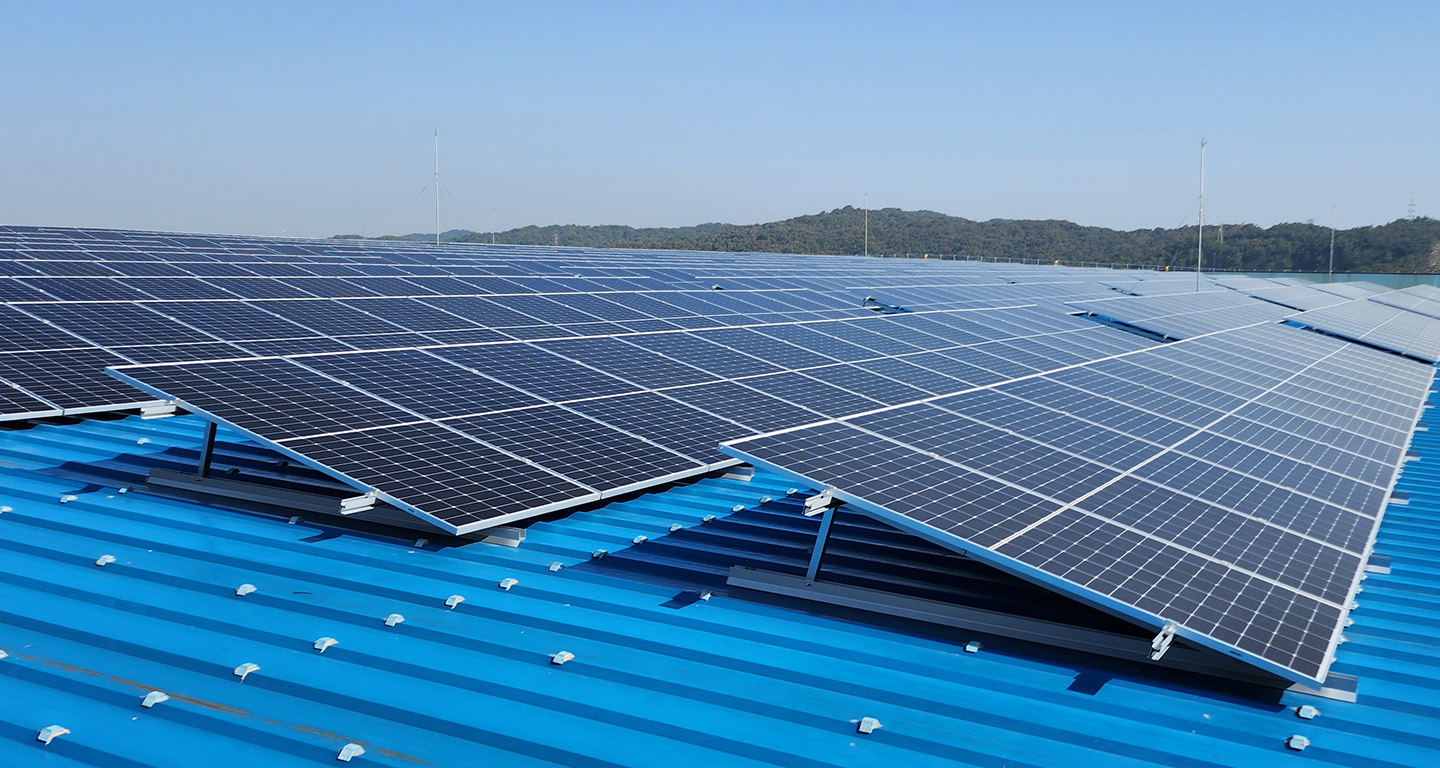
The Federal Government of Nigeria has begun the construction of 42 renewable energy projects across Adamawa and Kebbi states, expanding electricity access to thousands of homes, businesses and public institutions under its rural electrification programme.
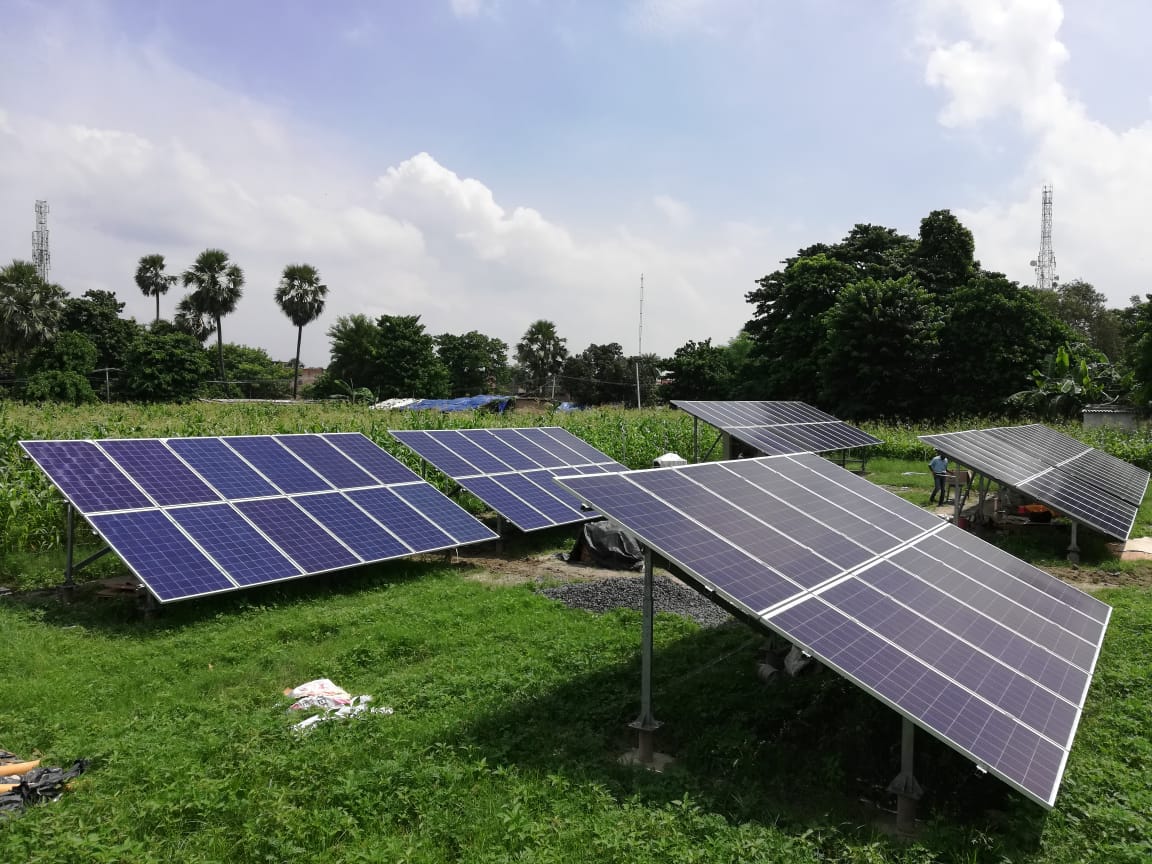
The projects include 39 mini-grids in Adamawa and a 3.5-megawatt (MW) solar power plant in Kebbi, with a combined renewable energy capacity expected to improve electricity supply in underserved communities and support economic activities.
In Adamawa, the projects are being implemented under the Distributed Access through Renewable Energy Scale-up (DARES) Programme. They comprise three interconnected mini-grids and 36 isolated mini-grids, with the interconnected systems located in Kofare, Saminaka and Mbamba.
Projects expand rural electricity access
The projects represent one of the Federal Government's latest efforts to reduce Nigeria's electricity access gap through decentralised renewable energy. By extending reliable power to communities beyond the reach of the national grid, the investments are expected to stimulate local businesses, improve public services and reduce dependence on costly diesel and petrol generators, while advancing the country's clean energy and rural development goals.
Minister of Power, Joseph Tegbe, said the projects would deliver nearly 27MW of renewable electricity to communities across the state.
According to him, about 40,000 households and businesses in communities including Kofare, Saminaka, Mbamba, Gulak, Michika, Shuwa, Bazza, Belel, Ganye, Song, Hong, Mubi and Guyuk will benefit from the new infrastructure.
The minister added that more than 6,000 micro, small and medium-sized enterprises (MSMEs), including welders, grain millers, cold-room operators, ICT firms and agro-processors, would gain access to more reliable electricity. More than 100 public facilities, including schools, healthcare centres and water schemes, will also be connected.
The Rural Electrification Agency (REA), which is implementing the projects, said the mini-grids are designed to complement the national grid while attracting private investment into renewable energy.
REA Managing Director, Abba Abubakar Aliyu, explained that the projects would be judged not only by the electricity generated but by their impact on businesses, jobs, healthcare, education and agricultural productivity.
Adamawa Governor, Ahmadu Fintiri, described the projects as a major step towards tackling energy poverty and expanding access to clean energy. He noted that discussions leading to the investment began in 2025 after the state offered incentives, including land, concessional financing and credit guarantees to support implementation.
The renewable energy investments come as Nigeria seeks to close its electricity access gap through decentralised power solutions.
Millions of Nigerians, particularly in rural communities, remain without reliable electricity despite ongoing efforts to expand the national grid. Mini-grids and solar power systems are increasingly being deployed to provide faster and more cost-effective access to electricity in underserved areas.
Kebbi receives solar power project
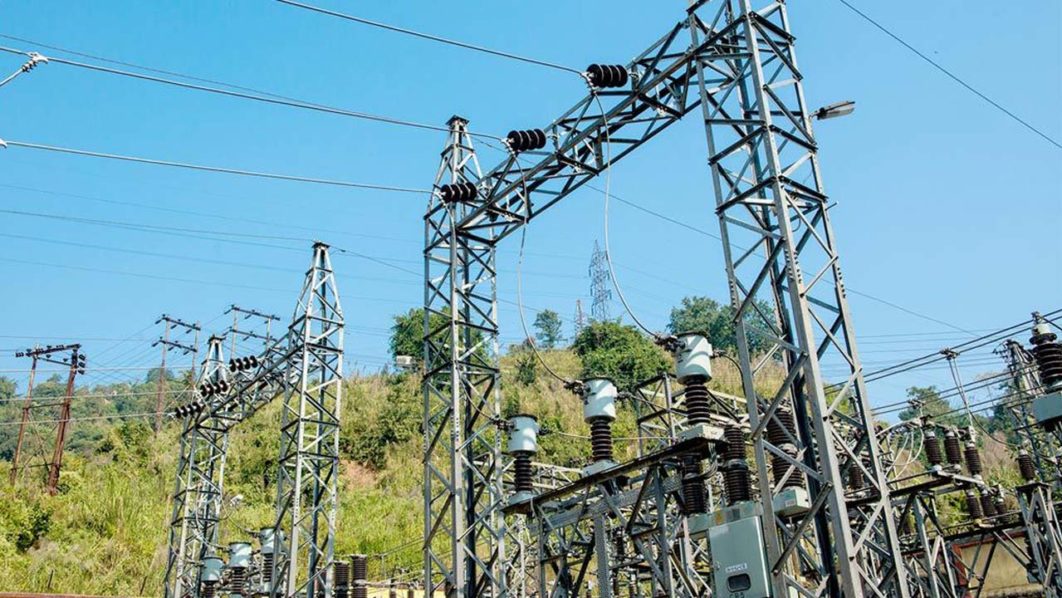
In Kebbi State, the government flagged off the construction of a 3.5MW solar power plant alongside a 33kV power infrastructure project in Ambursa.
The solar plant will include battery energy storage systems, enabling electricity supply after sunset and improving power reliability for surrounding communities.
Governor Nasir Idris said the state provided land for the project at no cost and urged the contractor, Kelm Elicon Joint Venture, to complete the work within schedule.
Aliyu disclosed that President Bola Tinubu had approved a $750 million facility for the REA to implement interconnected mini-grid projects nationwide.
He noted that about $10 million would be invested in the Kebbi project, which is expected to provide electricity to more than 1,000 households and strategic facilities, including the Ahmadu Bello International Airport, Birnin Kebbi.
The project's contractor, Kobeissi Electrical and Mechanical Engineering Limited, stated that the construction would be completed within eight months.
Related Stories
Sign up for our newsletter.
Get the latest news, expert analysis, and industry insights delivered straight to your inbox. Join thousands of professionals shaping the future of energy.
By submitting my information, I agree to the Privacy Policy and Terms of Service.