Power
Benin, Togo, Niger Owe Nigeria N17.5bn Electricity Bill
Nigeria's latest electricity payment data exposes the growing financial burden of unpaid regional power exports, raising fresh concerns about the sustainability of the country's electricity market.
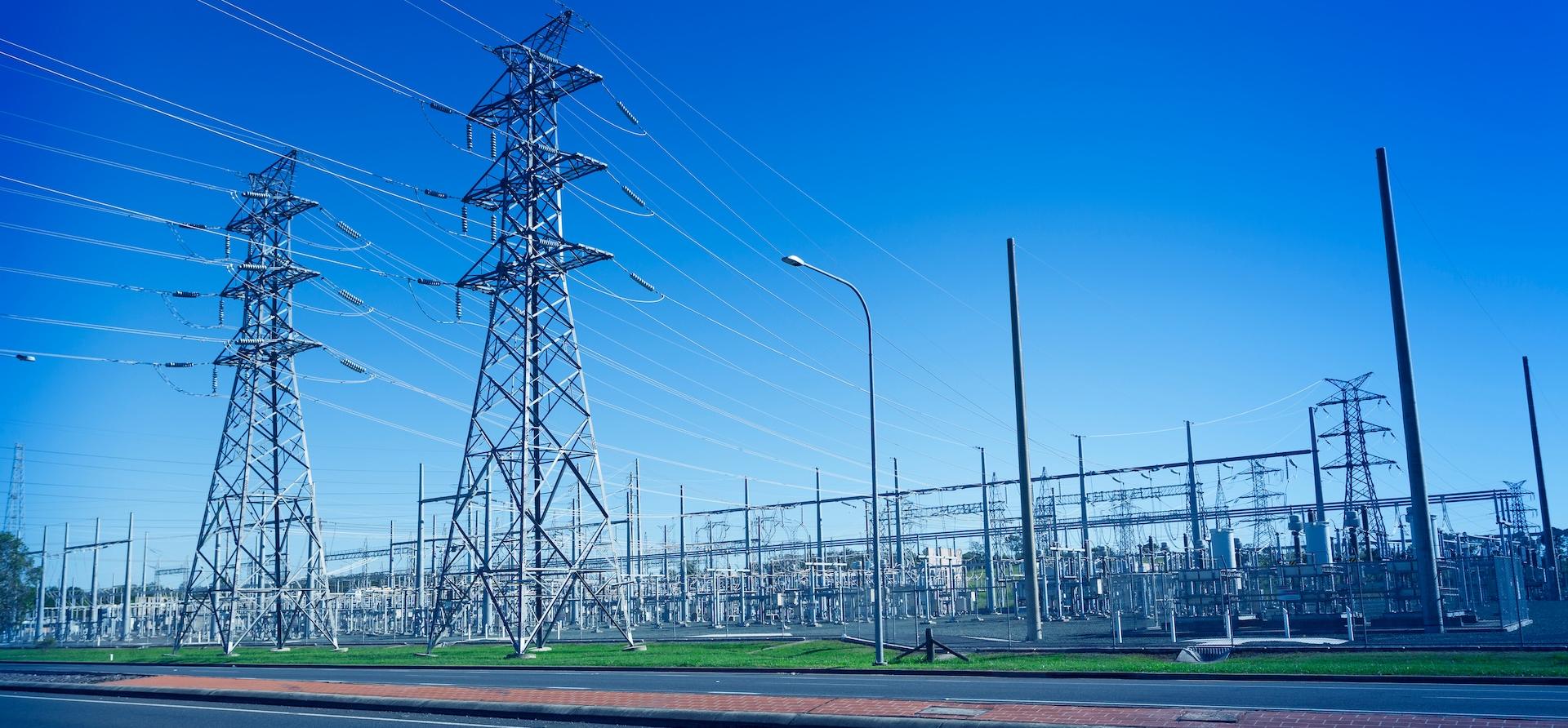
Nigeria's electricity exports to Benin, Togo and the Niger Republic generated a fresh payment shortfall of about N17.45 billion in the first quarter of 2026, as the three neighbouring countries settled less than one-third of their power invoices, worsening the liquidity pressures facing the country's electricity market.
The Nigerian Electricity Regulatory Commission (NERC) disclosed in its first-quarter 2026 report that international bilateral customers paid $4.82 million out of the $17.48 million billed by the Market Operator, leaving an outstanding balance of $12.66 million, equivalent to about N17.45 billion.
A bilateral customer is a buyer that purchases electricity directly from a power generation company under a negotiated agreement outside the regulated electricity market. The Market Operator manages Nigeria's wholesale electricity market by administering energy transactions, settlements and payments among market participants.
The latest figures underscore a recurring challenge for Nigeria's power sector, where persistent payment defaults by some electricity buyers continue to constrain cash flow despite ongoing electricity exports across the West African region.
Local customers outperform neighbours
According to NERC, international bilateral customers recorded a remittance performance of 27.57 per cent, compared with 95 per cent achieved by domestic bilateral customers during the same period.
Among the cross-border buyers, Mainstream-NIGELEC, which supplies electricity to the Niger Republic, posted the strongest performance by paying $2.79 million of its $4.45 million invoice, representing 62.7 per cent.
However, several other customers failed to settle their obligations.
Paras-SBEE, which exports electricity to Benin Republic, made no payment against its $1.94 million invoice, while Paras-CEET, supplying Togo, also recorded zero payment on a $1.67 million bill.
Similarly, Odukpani-CEET did not pay any portion of its $2.29 million invoice.
Transcorp-SBEE (Ughelli) remitted $900,000 out of $4.20 million, representing 21.43 per cent, while Transcorp-SBEE (Afam 3) paid $1.13 million of its $2.90 million invoice, equivalent to 38.97 per cent.
Although payments for current invoices remained weak, NERC said some international customers reduced outstanding debts accumulated in previous quarters by paying a combined $6.64 million.
The regulator said the Market Operator received $4.05 million from Société Béninoise d'Énergie Électrique, $1.87 million from Société Nigérienne d'Électricité (NIGELEC) and $720,000 from Compagnie Énergie Électrique du Togo (CEET) towards outstanding invoices.
Payment gaps strain electricity market
The payment shortfall matters because electricity generation companies rely on invoice settlements to fund operations, maintain infrastructure and invest in additional generation capacity. When payments are delayed or unpaid, the liquidity challenge spreads across the electricity value chain, affecting power producers, transmission and distribution companies.
The report also showed that domestic bilateral customers paid N5.82 billion out of the N6.12 billion invoiced during the quarter, significantly outperforming their international counterparts.
Meanwhile, Ajaokuta Steel Company Limited and its host community again failed to pay their electricity obligations.
According to NERC, the company made no payment against a N676.88 million invoice issued by the Nigerian Bulk Electricity Trading Plc or a N189.38 million invoice from the Market Operator during the first quarter, extending a longstanding pattern of non-payment.
Related Stories
Sign up for our newsletter.
Get the latest news, expert analysis, and industry insights delivered straight to your inbox. Join thousands of professionals shaping the future of energy.
By submitting my information, I agree to the Privacy Policy and Terms of Service.