Power
Zimbabwe Reconnects Grid after Widespread Power Outage
As Zimbabwe restores electricity, the latest grid failure serves as another reminder of the country's long-running struggle with power reliability
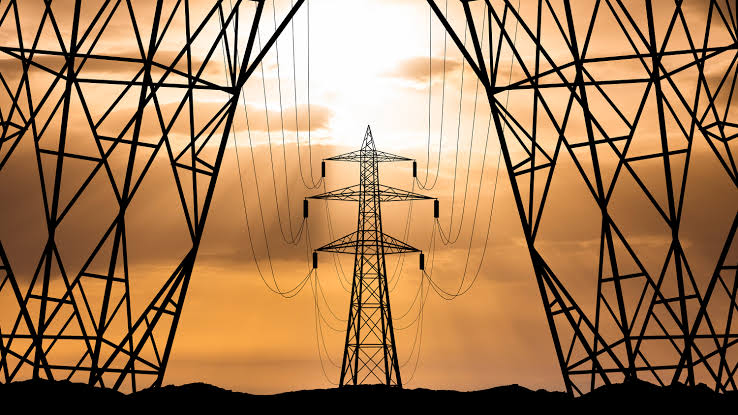
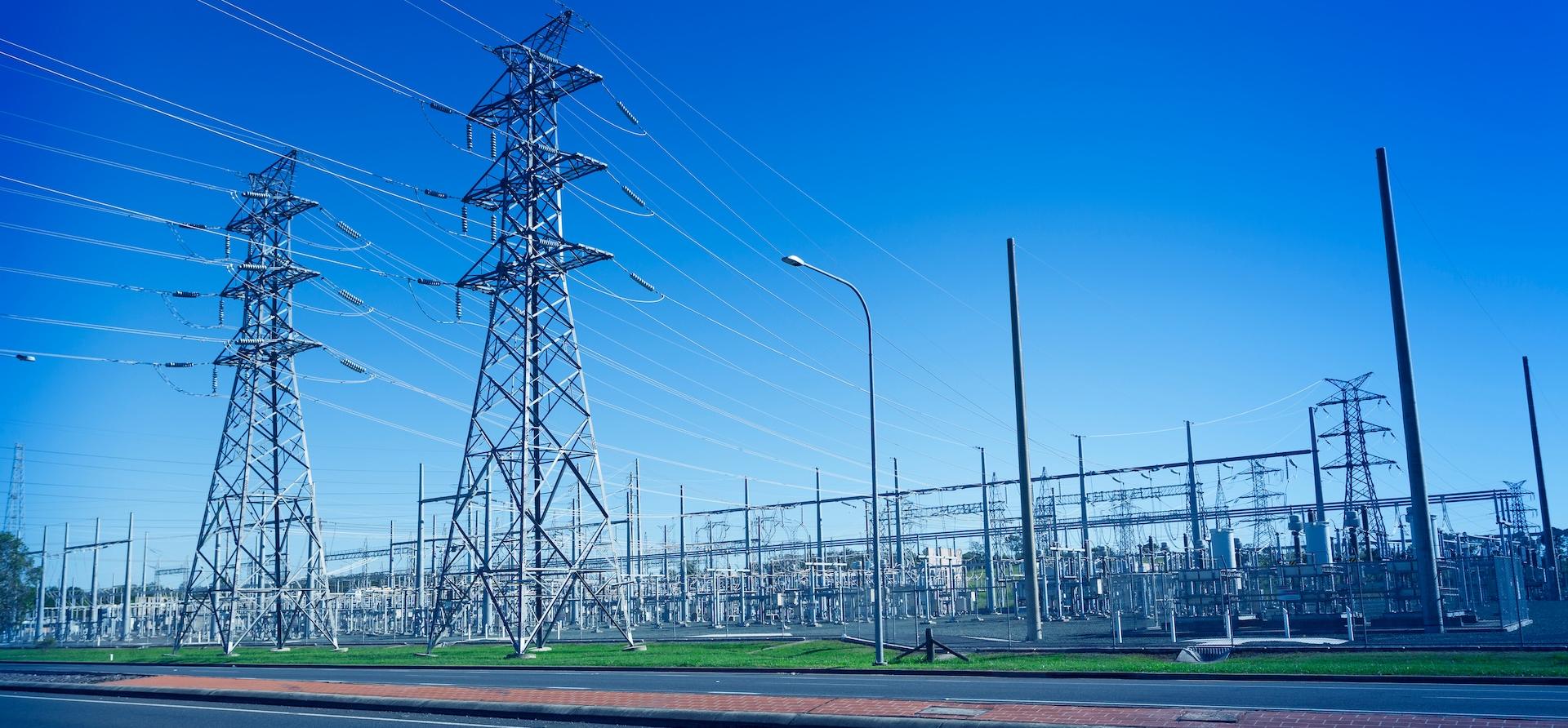
Zimbabwe has restored electricity to most parts of the country after a fault triggered a nationwide grid collapse on Monday evening, although engineers are still working to reconnect some areas of the capital, Harare, as the country battles another setback in its fragile electricity system.
Zimbabwe's state-owned utility, the Zimbabwe Electricity Supply Authority (ZESA), said the national grid failed at about 6:24 p.m. local time on Monday following a network fault, plunging homes, businesses and industries into darkness across the country.
The utility said power supply was largely restored by 10:00 p.m. after electricity was fed into the grid from four generating sources, including imports from South Africa's Eskom. However, restoration efforts were still underway at the Hwange Thermal Power Station, where engineers were working to synchronise generating units supplying parts of Harare.
ZESA did not immediately disclose the cause of the network fault but said technical teams continued to stabilise the system to restore supply to the remaining affected areas.
Power shortages persist, grid reliability a challenge
The latest outage underscores Zimbabwe's long-running electricity challenges, driven by ageing infrastructure, unreliable generation and recurring climate pressures.
Electricity production in the country depends largely on the 920-megawatt Hwange Thermal Power Station and the 1,050-megawatt Kariba South Hydroelectric Power Station. While Hwange has suffered repeated equipment failures due to ageing facilities, electricity generation at Kariba has been constrained by low water levels linked to poor rainfall and recurring drought.
To bridge the supply gap, Zimbabwe supplements domestic generation with electricity imports from neighbouring countries, particularly South Africa's Eskom and Mozambique's Hydro Cahora Bassa. However, payment difficulties arising from foreign exchange shortages have at times disrupted those imports.
Zimbabwe has experienced several nationwide grid failures in recent years, including major transmission faults in 2022 and another national grid collapse in 2025, exposing persistent weaknesses in its electricity network.
The recurring outages continue to weigh on the country's economy, forcing manufacturers, mining companies, hospitals, farmers and small businesses to rely heavily on diesel generators and solar systems to maintain operations. Many households have also adapted to frequent load shedding as electricity shortages persist.
The latest restoration offers temporary relief, but it also spotlights the urgent need for sustained investment in generation, transmission infrastructure and grid maintenance. For Zimbabwe, improving the reliability of its electricity system will be critical to supporting economic growth, attracting investment and reducing dependence on costly emergency power imports.
Related Stories
Sign up for our newsletter.
Get the latest news, expert analysis, and industry insights delivered straight to your inbox. Join thousands of professionals shaping the future of energy.
By submitting my information, I agree to the Privacy Policy and Terms of Service.