Climate & Sustainablity |Finance
Nigeria Targets Climate Funding with New Electric Cooking Roadmap
The government is preparing funding proposals to draw investment into electric cooking, hoping to move millions off firewood and charcoal. The ambition runs into a stubborn fact: around 167 million people still lack access to clean cooking,
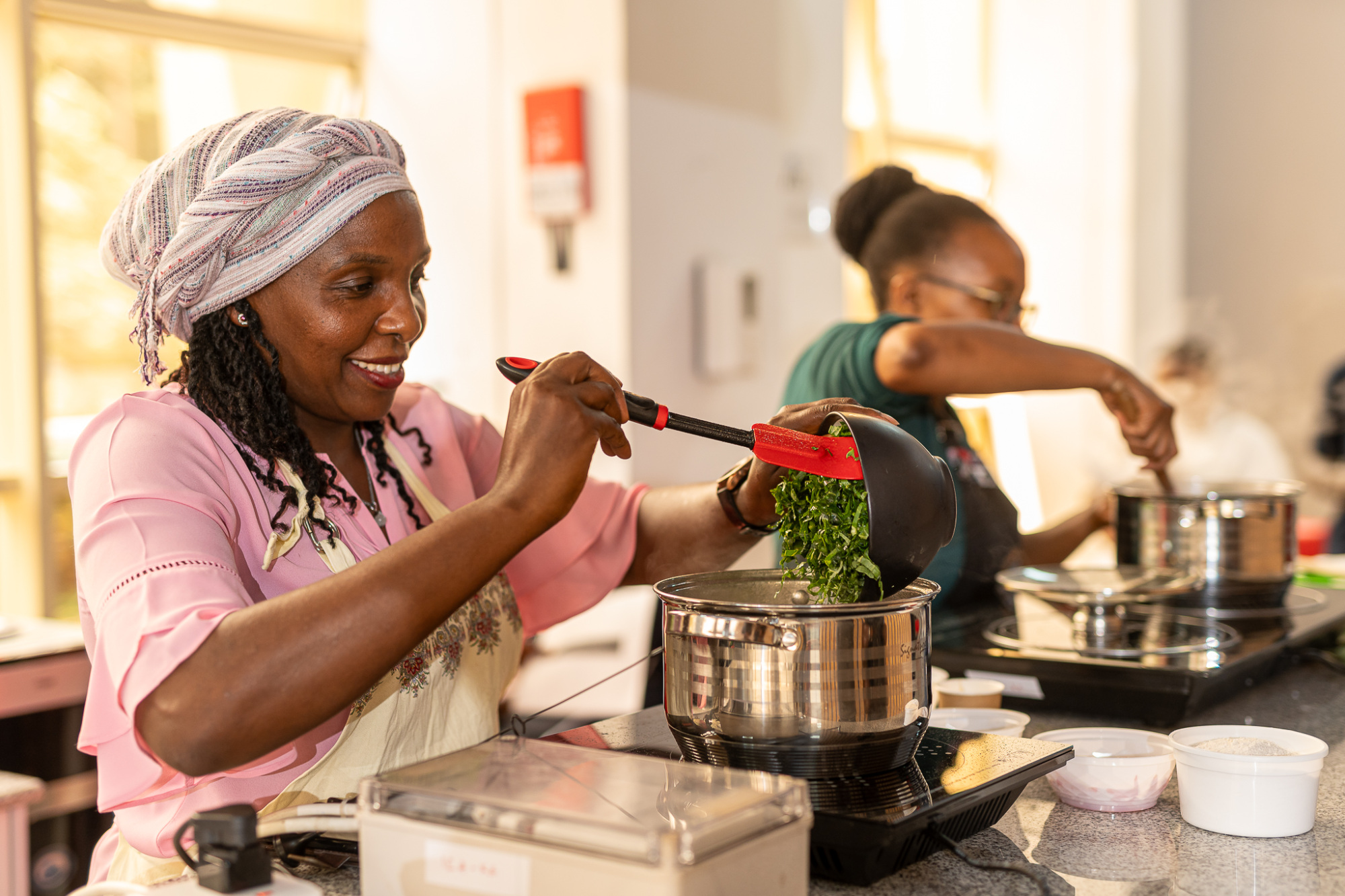
Nigeria's Federal Government has begun drawing up funding proposals to attract local and foreign investment into electric cooking, part of an effort to move households away from firewood and charcoal.
The plan was unveiled on Thursday in Abuja during an inception workshop organised by the Federal Ministry of Environment with development partners.
Government officials said the project will prepare evidence-based proposals that can secure support from public institutions, private investors, development finance institutions, carbon markets and international climate funds.
The funding is expected to support the large-scale use of electric cooking technologies in homes, institutions and businesses.
The workshop also marked the start of efforts to include electric cooking in Nigeria's Clean Cooking Policy Implementation Plan.
A country cooking on wood and charcoal
Nigeria's clean cooking challenge is immense. Around 167 million people still lack access to clean cooking, a situation the Permanent Secretary of the Ministry of Power, Mahmuda Mamman, described through a representative as both a public health and development crisis.
More than 90 per cent of Nigerians rely on biomass, mainly firewood and charcoal burned on open fires or rudimentary stoves, while fewer than one per cent of households cook with electricity.
The impact extends to public health, the economy and the environment. Traditional cooking methods are linked to an estimated 95,000 deaths each year, with women and children bearing the greatest burden from prolonged exposure to indoor smoke.
Nigeria also spends more than $1.3 billion annually on polluting cooking fuels. Heavy dependence on firewood continues to drive deforestation and, according to one expert estimate, accounts for about 17 per cent of the country's greenhouse gas emissions.
Funding plan aims to support large-scale deployment
The Federal Ministry of Environment said the project is designed to help Nigeria secure the resources needed to expand access to cleaner cooking methods.
The ministry explained that electric cooking uses electricity supplied through the national grid, mini-grids, solar systems and other renewable energy sources. It said improvements in renewable energy technology and energy-efficient appliances have made electric cooking more practical than in the past.
Officials said wider use of electric cooking would reduce greenhouse gas emissions, improve indoor air quality, reduce pressure on forests and improve household energy efficiency.
The ministry also said the programme fits into Nigeria's Energy Transition Plan, which seeks net-zero emissions by 2060 while expanding electricity access. It said the project also supports Nigeria's commitments under the Paris Agreement by cutting emissions from household cooking.
Existing clean cooking efforts provide foundation
Nigeria's latest initiative builds on the National Clean Cooking Policy introduced in 2024 to expand access to safe, affordable and sustainable cooking through greater investment, innovation and stronger institutional coordination.
The new project aims to integrate electric cooking into implementation of that policy.
In a keynote address delivered on behalf of the Permanent Secretary of the Federal Ministry of Environment, Salihu Usman, the Director of the Department of Climate Change, Iniobong Abiola-Awe, said the project would help tackle energy poverty, climate change, environmental degradation and health risks associated with widespread use of firewood, charcoal and other traditional cooking fuels.
She said the government aims to accelerate the transition to clean, modern and affordable cooking while building local manufacturing capacity for electric cooking appliances to create green jobs, reduce dependence on imports and strengthen Nigeria's clean energy economy.
Abiola-Awe said partnerships with the private sector, financial institutions and development partners would be essential to expanding the market and ensuring vulnerable communities benefit from the programme, adding that women, young people and children should remain a priority because they bear much of the health and economic burden associated with traditional cooking.
At the workshop, Asma'u Jibril said incorporating electric cooking into Nigeria's clean cooking framework would expand the country's clean energy options while supporting government programmes on renewable energy, climate finance, ecosystem restoration and green industrial development.
She added that the Presidential Initiative on Climate Change has distributed 3,400 clean cookstoves in each participating state, including Yobe, Ogun, Oyo, Kebbi, Bayelsa, Borno and Ebonyi, while distribution in the Federal Capital Territory and Kano is nearing completion.
Participants, including government agencies, researchers, development partners, civil society organisations and private sector representatives, are expected to produce a roadmap for integrating electric cooking into Nigeria's Clean Cooking Policy Implementation Plan and identify financing options to support nationwide implementation.
Related Stories
Sign up for our newsletter.
Get the latest news, expert analysis, and industry insights delivered straight to your inbox. Join thousands of professionals shaping the future of energy.
By submitting my information, I agree to the Privacy Policy and Terms of Service.