Power |Finance
Mali Secures International Funding to Modernise Bamako Power Network
A new high-voltage transmission network planned for Bamako will connect 10,000 homes and businesses, improve power for industries, and create a stronger foundation for future solar energy projects in Mali.
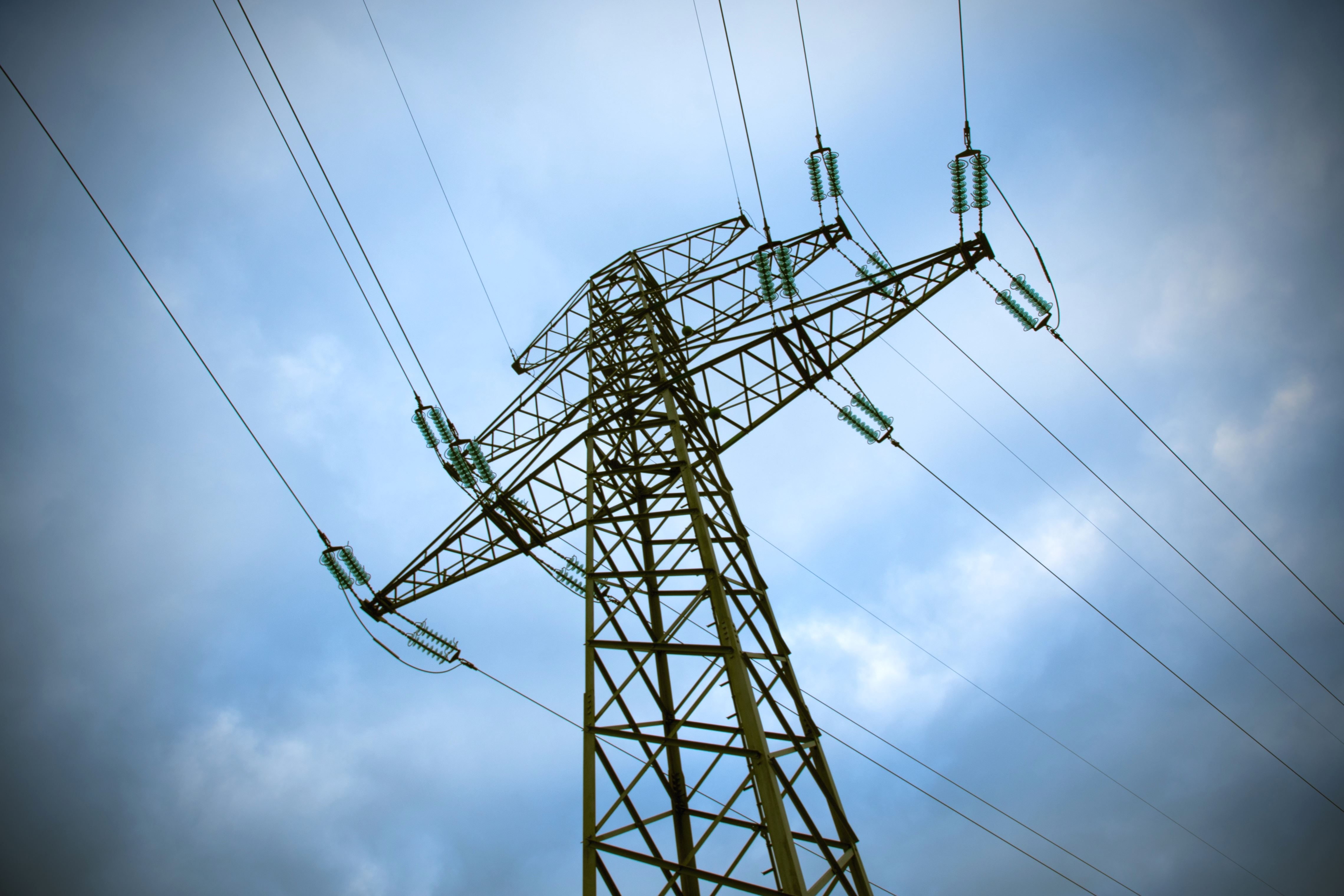
Mali has secured about $190 million in financing from international development lenders and the government to modernise the electricity network serving Bamako, after the National Transitional Council approved the bill backing the Bamako North 225 kV Loop Project.
The project is expected to improve electricity supply in the capital and nearby communities, connect about 10,000 new homes and small businesses to the national grid, and provide a more stable power supply for about 40 major industrial facilities. Construction is scheduled to begin in the third quarter of 2026.
The financing package brings together support from several development institutions. The African Development Bank Group and its climate funds will provide $68.26 million, which represents more than 36 per cent of the total cost.
The Islamic Development Bank will finance nearly 33 per cent, while the West African Development Bank will provide more than 27 per cent. The Government of Mali will contribute the remaining 3.6 per cent.
The approval of the financing bill clears the way for work on one of Mali's biggest electricity infrastructure projects. The investment is intended to improve the country's transmission and distribution network as electricity demand continues to increase.
Reliable electricity has become an important issue for Mali as the country works to improve public services and support business activity. Better transmission infrastructure is expected to reduce pressure on the existing network and improve the quality of electricity supplied to homes and industries.
Project targets electricity access and future expansion
Mali has faced electricity shortages for several years. In 2023, only 55.8 per cent of the population had access to electricity. Urban areas recorded 86.6 per cent access, while only 30.4 per cent of people in rural communities had electricity.
Demand for electricity is increasing by about 10 per cent each year. The country also depends heavily on imported fuel and ageing thermal power plants, making electricity generation expensive and placing financial pressure on the government.
To address these issues, the Bamako North 225 kV Loop Project will build a new high-voltage transmission line linking the Kodialani and Dialakorobougou substations. It will also construct two new substations in Safo and Kénié and expand three existing substations to increase network capacity.
The project includes new medium- and low-voltage distribution lines that will extend electricity services to developing neighbourhoods in Bamako.
Authorities said the upgraded network will improve electricity reliability for thousands of households and businesses while helping industries reduce disruptions caused by power outages.
The improved infrastructure is also expected to support economic activity by creating jobs during construction and improving electricity access for local businesses and agricultural operations.
Officials said young people and women are expected to benefit from better access to reliable electricity that can support income-generating activities and small enterprises.
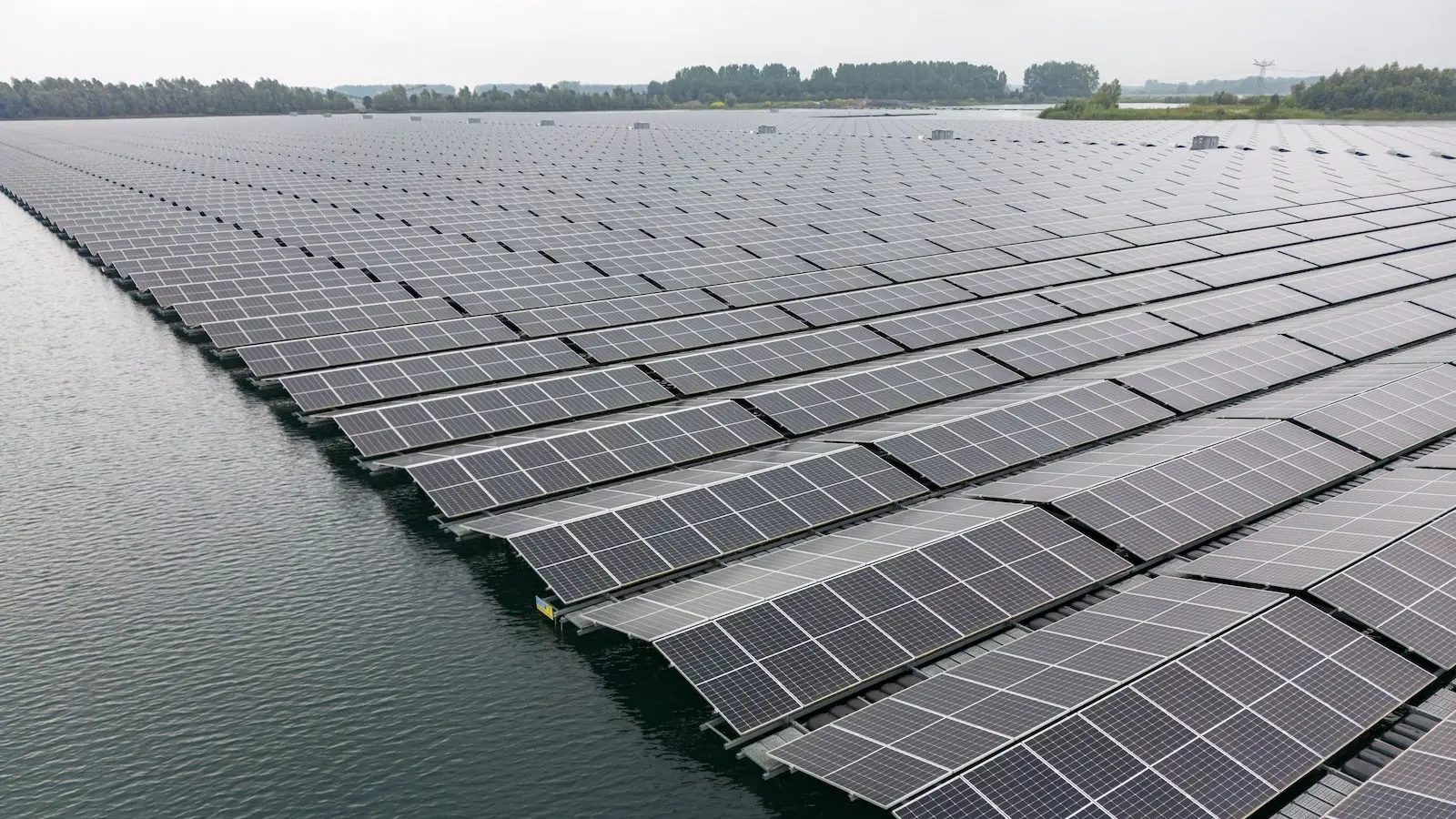
Another objective of the investment is to prepare Mali's electricity system for future energy projects. The stronger transmission network is expected to make it easier to connect planned solar power plants in Kambila and Safo, as well as future regional electricity links with Guinea.
Development partners and Malian authorities view the project as part of wider efforts to strengthen the country's electricity system and improve long-term energy security.
With financing now approved and construction expected to begin later in 2026, attention will turn to delivering the planned transmission lines, substations and distribution network that are expected to improve electricity supply for Bamako, support industrial activity and prepare the power system for future renewable energy development.
Related Stories

Sign up for our newsletter.
Get the latest news, expert analysis, and industry insights delivered straight to your inbox. Join thousands of professionals shaping the future of energy.
By submitting my information, I agree to the Privacy Policy and Terms of Service.