Renewables |Finance
Fresh AfDB Funding Puts Kenya's Thwake Dam on Course for 2028
With construction nearing completion, Kenya's Thwake Dam moves closer to delivering improved water security, irrigation, and renewable energy.
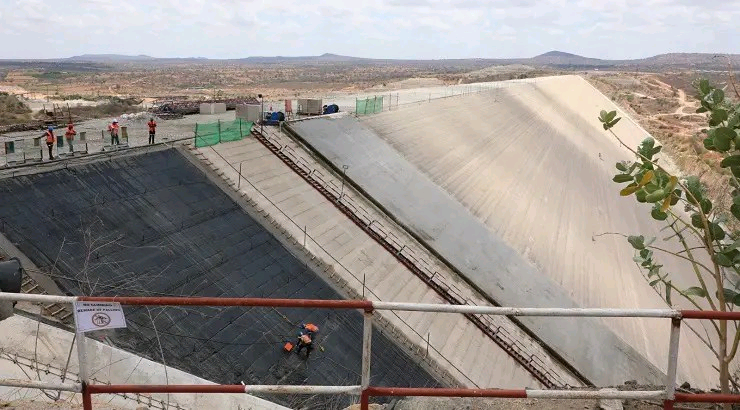
Kenya's Thwake Multipurpose Water Development Programme Phase I is expected to be completed in September 2028 following the approval of additional financing by the African Development Bank Group to support the final stages of construction.
The Bank's Board of Directors approved €68.39 million in extra funding on 22 May to help complete the project, which is already about 90 per cent finished.
The funding is intended to ensure the dam is delivered according to its full design specifications and can provide its planned long term benefits to communities in the country.
The new financing package includes a €64.20 million loan from the African Development Bank and €4.2 million from the African Development Fund. The Government of Kenya will also provide €15 million in counterpart funding.
The Thwake dam, located in Kenya's lower eastern region, is one of the country's flagship infrastructure projects under Vision 2030. Once completed, it is expected to strengthen water security in the semi arid counties of Kitui and Makueni, where access to reliable water remains a major challenge.
The project is designed to supply up to 150,000 cubic metres of clean water every day to about 1.3 million people. It will also support irrigation on 40,000 hectares of farmland and generate 20 megawatts of renewable hydropower.
As the African Development Bank Group maintained, the additional financing will fund key engineering improvements needed to ensure the dam's safety and durability. These include raising the height of the dam, strengthening its foundations and constructing two additional saddle dams.
These upgrades, officials claimed, are necessary to improve the project's long term resilience, operational reliability and overall value.
Alex Mubiru, Director General for East Africa at the African Development Bank Group, said the focus is now on ensuring the project fulfils its intended purpose.
“This financing is about completing a strategic national asset and ensuring it delivers fully on its promise,” he said.
He further noted, “With the project already at an advanced stage, our focus is on safeguarding the integrity of the investment, strengthening technical design, and ensuring that communities realise the full benefits in water security, food production, and clean energy.”
The project, beyond water supply and energy generation, is expected to reduce flood risks, improve sanitation and support local livelihoods across the Athi River catchment area.
Construction activities have reportedly created jobs for young people and women while contributing to improvements in schools, healthcare facilities and local water infrastructure.
Once completed in 2028, the dam is expected to play a very important role in increasing Kenya's water reserves, boosting agricultural production, expanding access to renewable energy and supporting public health out
comes in affected communities.
Related Stories


Sign up for our newsletter.
Get the latest news, expert analysis, and industry insights delivered straight to your inbox. Join thousands of professionals shaping the future of energy.
By submitting my information, I agree to the Privacy Policy and Terms of Service.