Power
Ghana Orders Nationwide Safety Audit of Power Substations
The exercise comes as authorities step up reforms in Ghana’s power sector, with ageing infrastructure and grid reliability emerging as key concerns following recent operational disruptions.
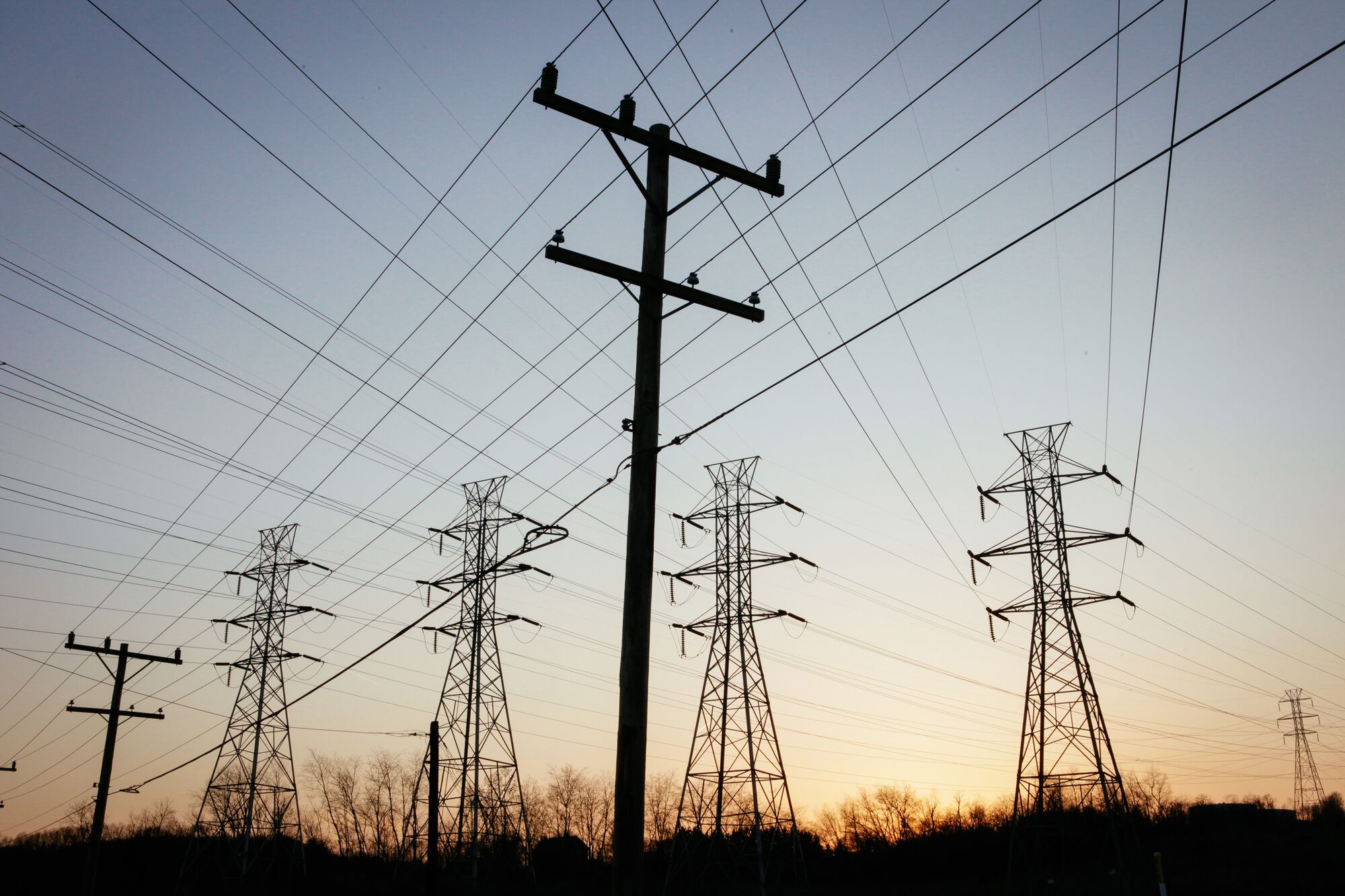
Ghana’s Ministry of Energy and Green Transition has launched a nationwide safety audit of power substations following the fire incident at the Ghana Grid Company (GRIDCo) facility within the Akosombo Hydroelectric Dam complex on 23 April 2026.
The exercise will assess safety standards across electricity infrastructure and guide the replacement of more than 3,000 ageing transformers, many of which have been in service for decades and are linked to unstable power supply in several communities.
Speaking in Accra earlier in the week, the Ministry’s spokesperson, Richmond Rockson, said the government is addressing structural weaknesses in the power sector while working to improve overall stability in electricity generation and distribution.
He said the country has made progress in reducing supply constraints since January 2025, noting monthly reductions in load pressures earlier in the year and the absence of load shedding since then.
Rockson said the government had shifted away from liquid fuel generation due to high costs, adding that natural gas now plays a larger role in the electricity mix.
He explained that the cost of liquid fuel generation can be 40 to 50 per cent higher than gas, making the transition more economical for power production.
According to him, the government has also secured six power plants adding more than 1,000 megawatts of capacity, which were not affected by the Akosombo fire incident.
On sector finances, he said negotiations with independent power producers resulted in a $252 million reduction in outstanding debt after agreements on revised payment terms. Rockson added that the Electricity Company of Ghana collected about GH¢13 billion in 2025, more than double previous levels, reflecting improvements in revenue recovery.
He said transformer failures remain a key challenge in distribution, with over 1,000 units lost in 2024 due to system strain. He added that ongoing reforms are aimed at addressing long-standing structural issues in the power sector to improve reliability and service delivery over time.
Related Stories
Sign up for our newsletter.
Get the latest news, expert analysis, and industry insights delivered straight to your inbox. Join thousands of professionals shaping the future of energy.
By submitting my information, I agree to the Privacy Policy and Terms of Service.