Oil & Gas
AEW 2026 to Examine Arbitration Risks as Africa Rewrites Oil and Gas Rules
From Nigeria’s new petroleum laws to Senegal’s contract review, arbitration is taking a more prominent place in Africa’s energy investment discussions.
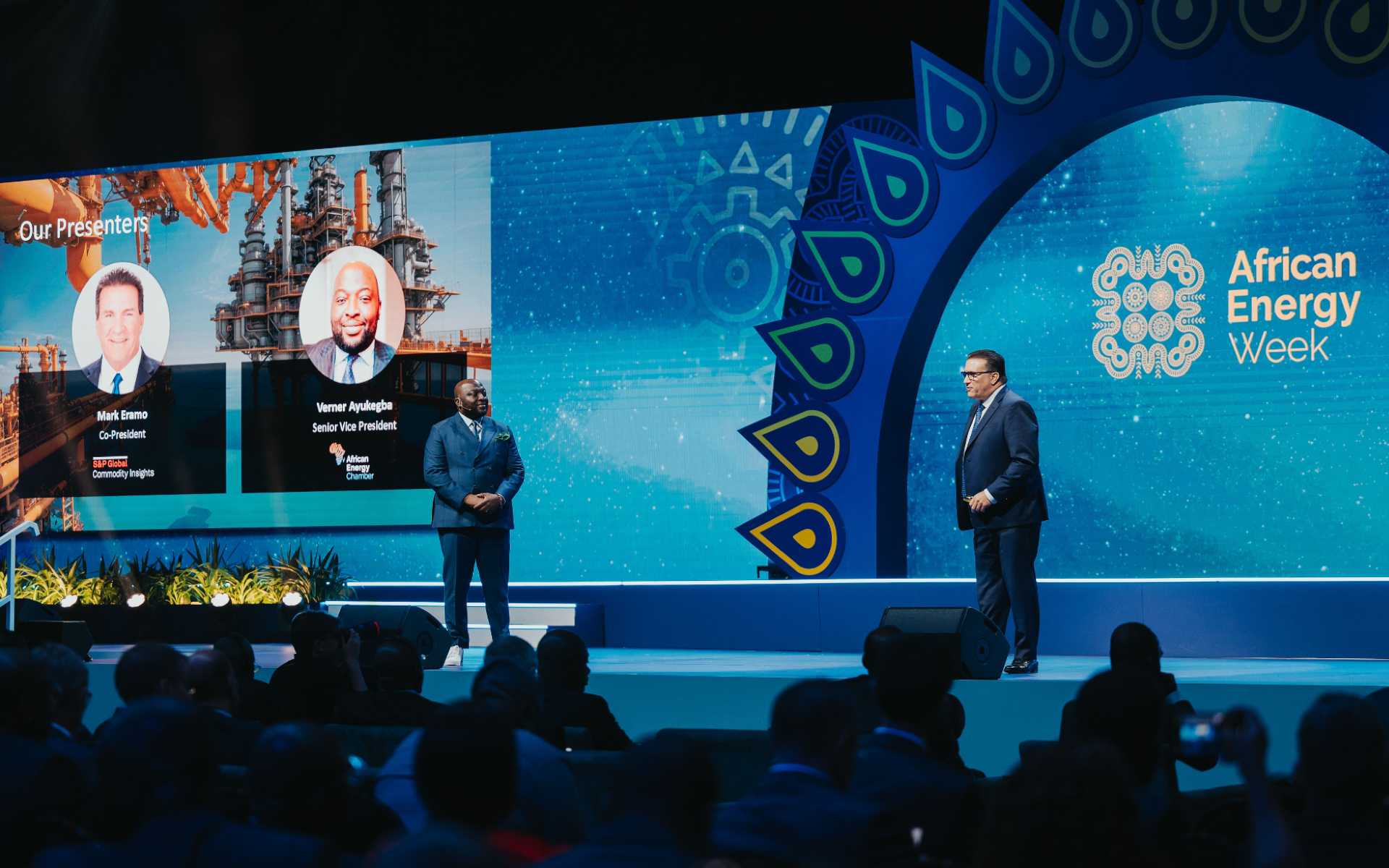
Oil and gas investors are paying closer attention to dispute resolution as African governments change the rules governing natural resources, with arbitration set to feature at African Energy Week (AEW) 2026 in Cape Town.
A session at the Upstream E&P Forum, titled Resource Nationalism, ESG and Investor Protection: The New Frontier of Oil and Gas Arbitration in Africa, will examine how commercial agreements can protect investments and deal with disputes when laws or commercial conditions change.
The discussion comes as governments seek greater state participation, higher local content and a larger share of resource revenues. AEW says 31 African countries have reformed their mining and petroleum codes since 2014, creating new commercial and regulatory considerations for international investors.
Since 2014, 31 African countries have reformed their mining and petroleum codes, creating new commercial and regulatory conditions for international investors.
The changes matter to companies committing billions of dollars to projects that can run for decades. The laws and commercial conditions in place when an investment is made may not be the same years later.
Arbitration features prominently in cross-border energy agreements. A review by Nigerian law firm OAL found that, by 2025, most cross-border oil, gas and power agreements in Africa expressly identified arbitration as the preferred dispute-resolution mechanism. AEW's session will examine why arbitration remains prominent in these contracts and how investment treaties, domestic legislation, ESG requirements and regulatory changes can affect disputes.
Nigeria’s changing legal landscape
Nigeria provides one example of how the legal framework around upstream investment has changed.
The Petroleum Industry Act, enacted in 2021, overhauled the country’s petroleum fiscal and regulatory framework and changed the terms governing production-sharing contracts, joint ventures and other upstream arrangements.
Nigeria also strengthened its dispute-resolution framework through the Arbitration and Mediation Act of 2023. The Nigerian Upstream Petroleum Regulatory Commission has also promoted an Alternative Dispute Resolution Center for disputes arising from upstream petroleum operations.
These changes have made contract terms and dispute procedures an important part of investment planning.
“You cannot do a deal in Africa today without thinking seriously about how you would resolve a dispute if the terms change,” said NJ Ayuk, Executive Chairman of the African Energy Chamber.
“We are increasingly seeing arbitration planning as part of the commercial conversation from the start, and rightly so.”
Senegal puts contracts under review
Senegal offers another example of the questions surrounding long-term resource agreements.
The country produced its first oil from the Sangomar field in 2024, followed by a rapid increase in production.
The government later established a commission to review existing oil and gas contracts involving operators including Woodside and bp.
Governments retain the sovereign right to review their resource agreements. Such reviews can change the commercial assumptions behind investments and raise questions about stabilisation provisions, production-sharing terms and other contractual protections.
Similar concerns are emerging elsewhere in West Africa. Political transitions, security problems and changes to mining and petroleum laws are creating uncertainty for investors. Geopolitical shocks and changes in global energy policy are also putting pressure on agreements negotiated under different market conditions.
The AEW session will examine how arbitration clauses, bilateral investment treaties, domestic legislation and ESG obligations come into play when disputes arise. It will also look at how governments and investors can address regulatory change and political risk when negotiating energy agreements.
Governments want greater control over their natural resources and a larger share of the revenue they generate. Investors, meanwhile, need confidence in the legal and commercial terms behind projects that can take years to develop and operate. Those questions will be discussed at AEW 2026, which runs in Cape Town from October 12 to 16.
Related Stories



Sign up for our newsletter.
Get the latest news, expert analysis, and industry insights delivered straight to your inbox. Join thousands of professionals shaping the future of energy.
By submitting my information, I agree to the Privacy Policy and Terms of Service.