Oil & Gas
Ghana Selects 268 Fuel Stations for 24-Hour Operations Pilot
The pilot programme will run across four regions and includes major depots, refineries and retail stations selected for round-the-clock operations.
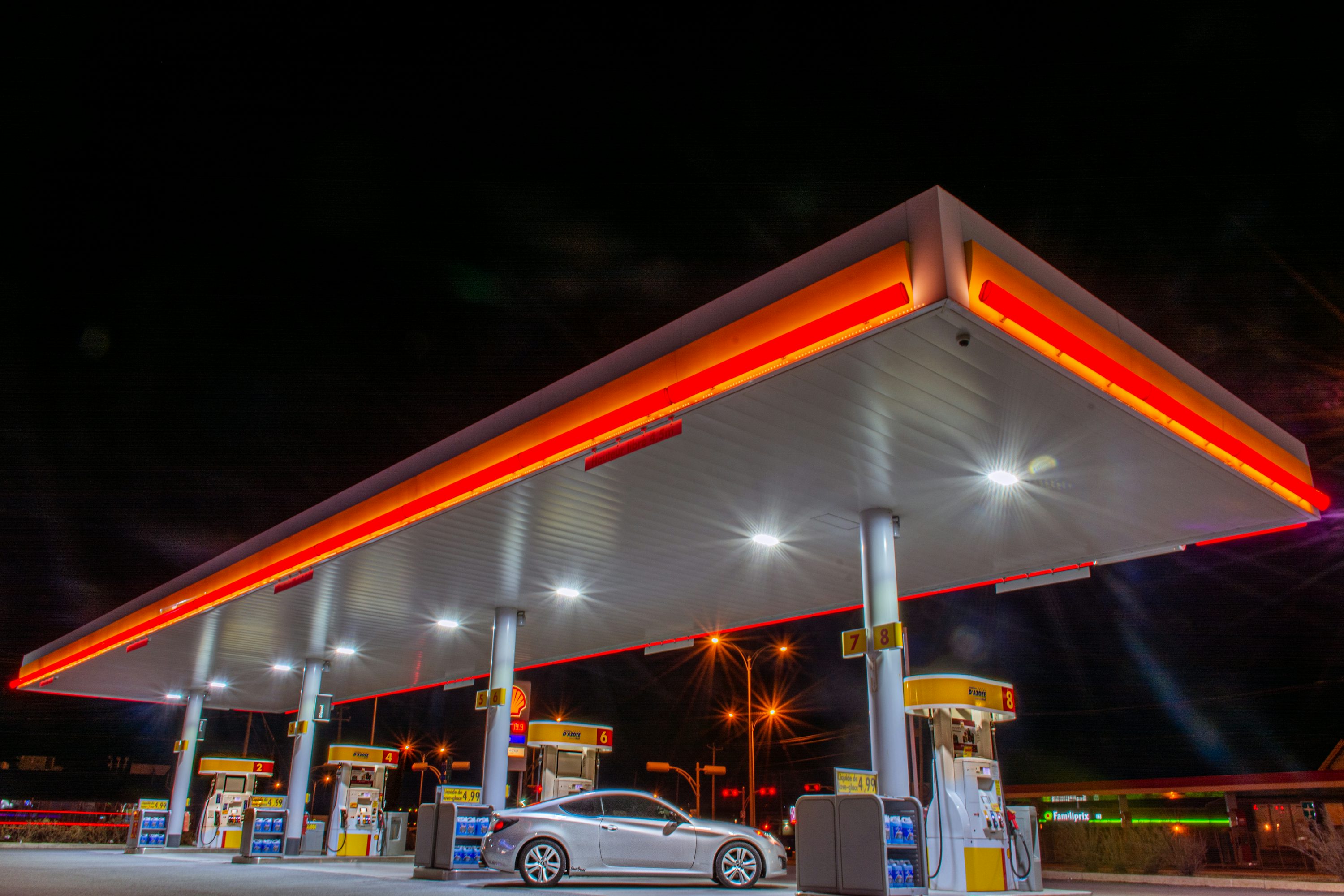
Ghana’s National Petroleum Authority has selected 268 fuel stations, eight fuel depots and two refineries for the pilot phase of a nationwide 24-hour operations initiative aimed at improving efficiency and boosting economic activity in the downstream petroleum sector.
The pilot scheme, unveiled in Accra on Tuesday, will initially cover facilities across the Greater Accra, Ashanti, Western and Northern regions.
Speaking at the launch, Chief Executive Officer of the NPA, Godwin Edudzi Tameklo, said the phased rollout would allow regulators to assess operational systems, improve coordination and ensure that the transition to round-the-clock operations remains safe and sustainable.
According to him, the initiative forms part of broader efforts by the government to stimulate productivity, improve service delivery and create employment opportunities within Ghana’s energy sector.
“The vision that we are implementing today represents a bold and forward-looking response by President John Dramani Mahama to these challenges,” Tameklo said.
He explained that the downstream petroleum industry plays a vital role in Ghana’s economy by supporting transportation, industrial production and commercial activities, but noted that restricted operating hours had contributed to inefficiencies across the supply chain.
Facilities selected for the pilot include the Bulk Oil Storage and Transportation depots in Kumasi and Accra Plains Depot near Kpone Barrier, Tema Tank Farm, Vana Energy, Quantum Terminals, Ghanstock Depot in Takoradi, Zen Terminals in Takoradi, Tema Oil Refinery and Sentuo Oil Refinery.
The NPA said modern monitoring technologies and a structured workforce management system would be deployed to support the programme.
Tameklo stressed that safety and security would remain central to the implementation process, adding that the authority would work closely with the Ghana Police Service, National Security Secretariat, Ghana National Fire Service and emergency response agencies.
“Operating a 24-hour petroleum sector requires top-notch security arrangements,” he said, adding that Inspector General of Police Christian Tetteh Yohuno had pledged full support for the initiative.
The regulator noted that the pilot phase would help authorities refine operational models before a broader nationwide expansion.
Presidential Adviser on Ghana’s 24-Hour Economy initiative, Goosie Tanoh, described the programme as an important step toward increasing productivity and supporting economic growth through extended commercial operations.
Industry analysts believed the initiative could improve fuel availability, reduce supply bottlenecks and strengthen logistics efficiency across Ghana’s downstream petroleum value chain.
Related Stories

Sign up for our newsletter.
Get the latest news, expert analysis, and industry insights delivered straight to your inbox. Join thousands of professionals shaping the future of energy.
By submitting my information, I agree to the Privacy Policy and Terms of Service.
