Renewables
Ghana Targets 10% Renewable Energy Penetration by 2030
Ghana’s renewable energy target comes as the government seeks to diversify electricity generation while fixing the financial and grid challenges that could determine how quickly the country’s clean-energy plans become reality.
Ghana is targeting at least 10% renewable energy penetration in its electricity mix by 2030, with the government calling for greater investment in clean energy alongside tighter financial management across the power sector.
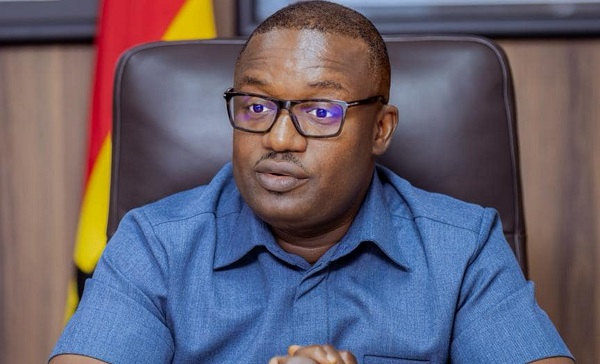
The Minister for Energy and Green Transitions, John Jinapor, said the target would require sustained policy support, investment and regulatory action to expand renewable generation, strengthen the electricity grid and keep the energy sector financially viable.
Jinapor made the remarks at the Annual Stakeholders Meeting of the Bui Power Authority (BPA), where the Authority's performance was reviewed and discussions focused on building a more resilient and lower-carbon electricity system.
The Minister praised BPA's performance in 2025, pointing to its clean energy generation, increased solar capacity, battery storage projects, financial performance and safety record as evidence of what renewable energy can contribute to Ghana's power supply.
“As Government works towards achieving at least 10% renewable energy penetration by 2030, we remain committed to providing the policy, regulatory and investment support needed to accelerate clean energy development, strengthen our electricity grid and ensure a financially sustainable energy sector,” he said.
Renewable Energy Push Comes With Financial Pressure
While the government wants more renewable energy in the country's electricity mix, Jinapor stressed that new investment will only be sustainable if the sector's financial problems are addressed.
He called for improved revenue collection, responsible financial management and stronger payment discipline across the energy value chain.
“This must be complemented by improved revenue collection, prudent financial management and stronger payment discipline across the energy value chain to safeguard the sector’s long-term sustainability and enable continued investment in critical infrastructure,” he said.
The warning accentuates one of the main challenges facing Ghana's energy transition. Adding solar and other renewable sources will require investment not only in generation projects but also in transmission and distribution infrastructure capable of handling a changing power mix.
Increasing renewable energy penetration is tied closely to the financial health of the wider electricity sector for Government.
Bui’s Solar Expansion Supports Ghana’s 2030 Target
The Minister's remarks also put the Bui Power Authority's recent performance in the wider context of Ghana's clean energy plans.
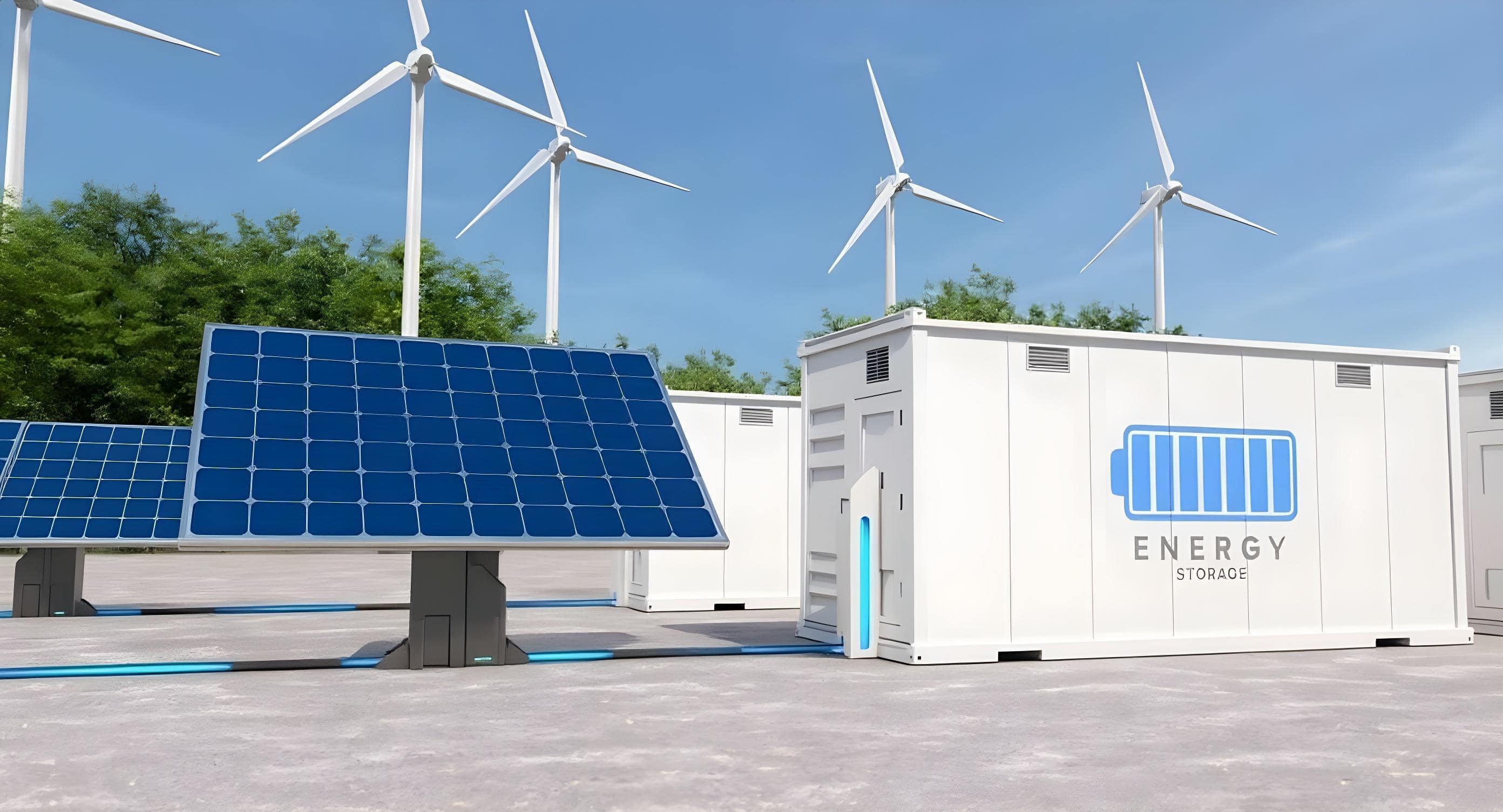
BPA has expanded beyond its traditional hydropower role through solar generation and battery energy storage, giving the Authority a growing role in the country's renewable energy transition.
Jinapor noted that the Authority's results showed that renewable energy could make a meaningful contribution to Ghana's future electricity needs.
The government now plans to build on such investments while working with industry players to address the infrastructure and financial constraints that could slow the transition.
Reaching the 10% target by 2030 will depend not simply on building more renewable projects, but on whether Ghana can attract investment, strengthen the grid, improve revenue collection and maintain the financial stability needed to keep the entire electricity system functioning reliably.
Related Stories
Sign up for our newsletter.
Get the latest news, expert analysis, and industry insights delivered straight to your inbox. Join thousands of professionals shaping the future of energy.
By submitting my information, I agree to the Privacy Policy and Terms of Service.