Oil & Gas
Ghana Warns Fuel Dealers, Tanker Drivers over Illegal Petroleum Trade
Ghana's NPA is seeking stronger compliance with industry regulations throughout the petroleum distribution chain, with the aim to improve fuel quality, strengthen consumer confidence, and promote safer petroleum operations in Ghana.
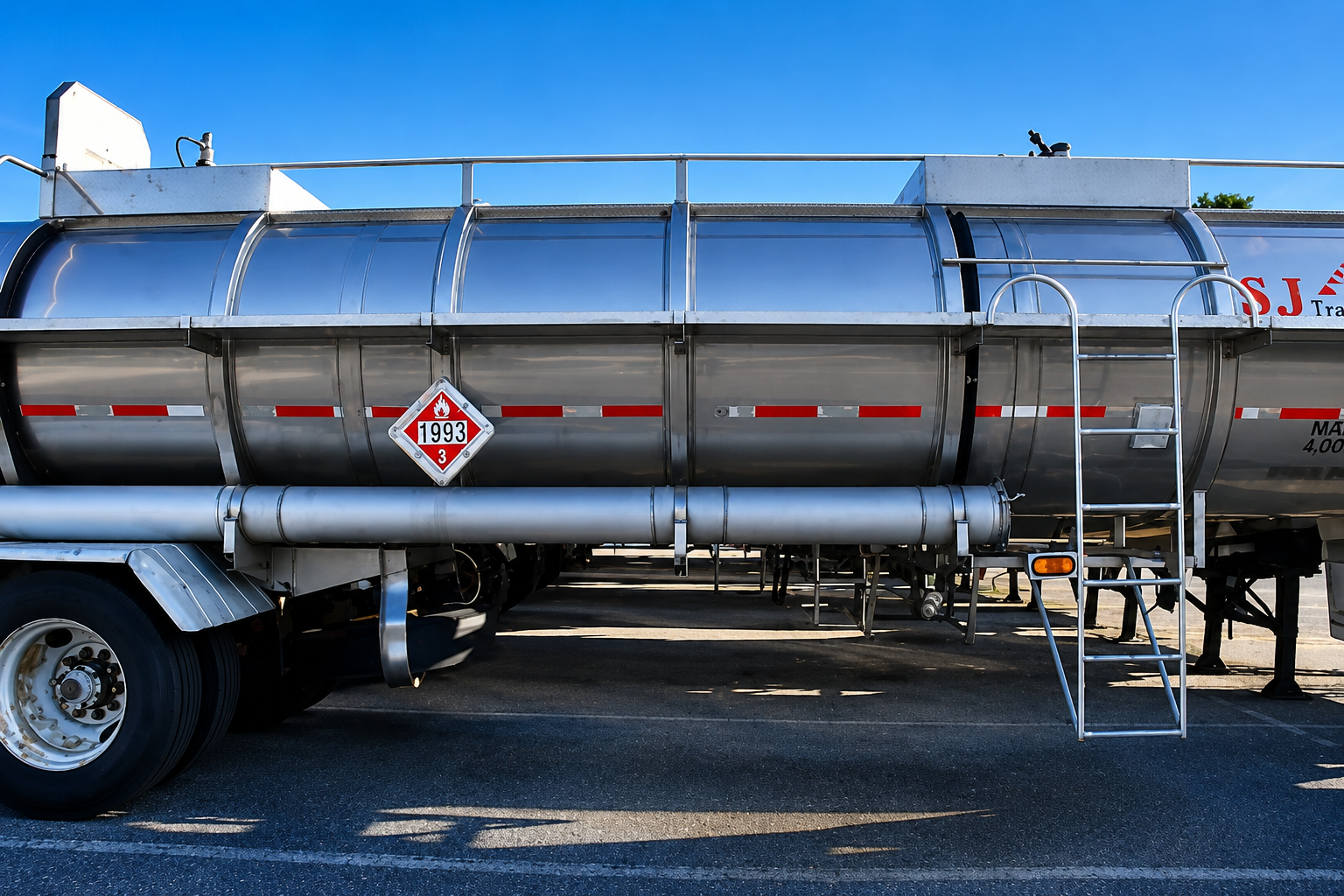
Fuel dealers and tanker drivers in Ghana have been warned to obey petroleum industry regulations or face prosecution, as the National Petroleum Authority (NPA) steps up action against illegal fuel activities that threaten product quality, consumer safety and the country's downstream oil sector.
The warning was issued during the second Regional Downstream Compliance Workshop held in the Central and Western regions from June 30 to July 2. The regulator told fuel retail outlet operators and bulk road vehicle drivers that practices such as buying fuel from unauthorised suppliers, operating without permits and siphoning petroleum products would attract sanctions.
The move follows continued efforts by the NPA to tighten oversight of the downstream petroleum sector and stop activities that can expose consumers to poor-quality fuel. The regulator also wants operators to follow industry rules more closely as the sector plays an important role in Ghana's economy.
NPA Director of Business Development, Godwin Yaw Konu, said operators must protect the quality of petroleum products throughout the supply chain.
“The integrity of petroleum products must be maintained for the benefit of consumers and the industry as a whole,” he said.
The workshop brought together fuel dealers and tanker drivers to discuss industry rules, operational problems and practical steps that can improve compliance.
Crackdown targets illegal fuel practices
The NPA made it clear that enforcement would focus on activities that weaken public confidence in the petroleum sector. It warned that fuel sourced from unauthorised suppliers may not meet required standards and could expose motorists to financial losses through vehicle damage.
Isaac Djagbetey, the NPA's Head of Security and Intelligence, urged petroleum service providers to buy products only from approved depots. He also warned operators not to supply fuel to illegal mining activities, known locally as galamsey.
The warning links petroleum regulation with wider government efforts to tackle illegal mining, which has continued to affect water bodies and the environment in parts of Ghana. Restricting fuel supply to illegal mining operators is seen as one way of limiting their activities.
The regulator also reminded fuel dealers to keep valid licences and other regulatory documents available whenever inspectors visit their facilities.
Consumer protection takes centre stage
The workshop also focused on measures aimed at protecting consumers from poor-quality fuel and unsafe operations.
Godwin Yaw Konu advised filling station operators to check water levels in underground storage tanks regularly after recent heavy rainfall. Water entering storage tanks can contaminate fuel before it reaches customers.
Adams Baba Adams of the NPA's Quality Assurance Directorate urged dealers to maintain fuel quality standards to protect motorists and reduce the risk of damage to vehicle engines.
The regulator also appealed to consumers to report suspected fuel under-delivery or poor fuel quality within 48 hours. Early reporting, it said, would help investigators verify complaints while evidence is still available.
Attention also turned to fuel transportation, with the Unified Petroleum Price Fund warning tanker drivers against interfering with vehicle tracking devices. Nana Afua Nuamah Bosumtwi, Head of Claims at the fund, encouraged drivers to submit transport documents on time to support efficient processing of claims.
Safety agencies also joined the workshop to reinforce accident prevention measures. Personnel from the Ghana National Fire Service conducted fire safety training and emergency response drills, while the National Road Safety Authority encouraged tanker drivers to practise defensive driving and obey traffic rules.
Related Stories



Sign up for our newsletter.
Get the latest news, expert analysis, and industry insights delivered straight to your inbox. Join thousands of professionals shaping the future of energy.
By submitting my information, I agree to the Privacy Policy and Terms of Service.