Oil & Gas
South Africa Lands Africa's Biggest Electrolyser Deal for SAF
Africa's largest electrolyser deal signals how green hydrogen could accelerate industrialisation, expand clean energy exports and strengthen the continent's role in decarbonising aviation.
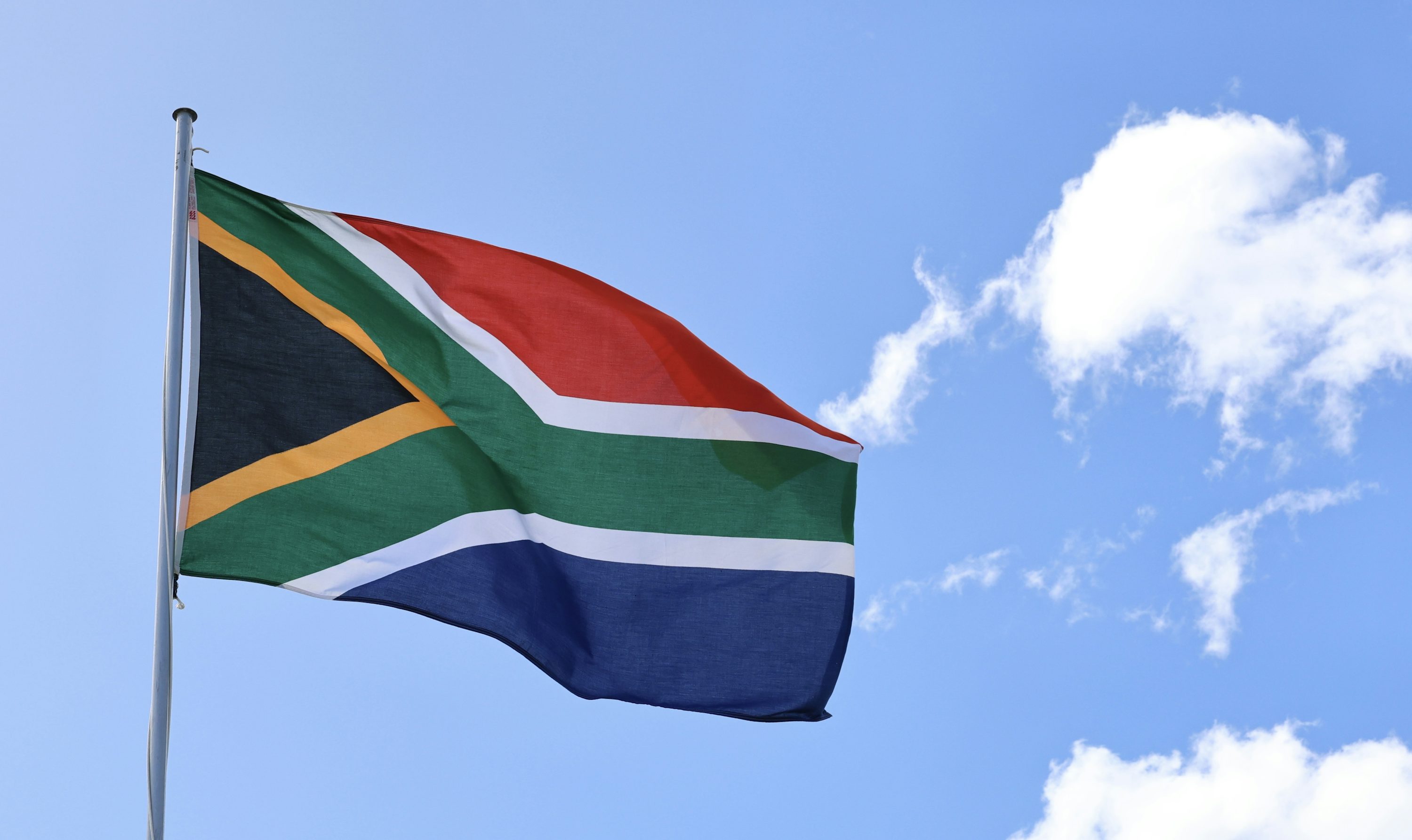
South Africa has signed Africa's largest electrolyser procurement agreement, paving the way for the first phase of an 800-megawatt (MW) sustainable aviation fuel (SAF) project that could strengthen the country's position as a global exporter of low-carbon aviation fuels as demand rises under stricter emissions rules.
The agreement, announced at the World Hydrogen Summit in Rotterdam, will see Sungrow Hydrogen supply 200MW of electrolysers for Phelan Green Group's planned green hydrogen-powered sustainable aviation fuel facility in Saldanha Bay. The order is the largest electrolyser contract awarded on the continent and one of Sungrow Hydrogen's biggest globally.
The deal marks a significant step from project planning to implementation for South Africa's green hydrogen industry, which the government has identified as a key driver of industrial growth, exports and the energy transition.
An electrolyser is a device that uses electricity ideally from renewable sources to split water into hydrogen and oxygen, producing green hydrogen without direct carbon emissions.
Green hydrogen is hydrogen produced using renewable electricity instead of fossil fuels, making it a low-carbon fuel for industries that are difficult to decarbonise.
Construction of the first phase is expected to begin later this year, subject to financing and regulatory approvals. South Africa designated the Phelan Green Hydrogen platform a Strategic Integrated Project in 2023, recognising its potential to support industrial development, infrastructure investment, exports and job creation.
Export demand is driving investment
The facility will produce electro-sustainable aviation fuel (eSAF), a synthetic jet fuel made by combining green hydrogen with captured biogenic carbon dioxide. Compared with conventional jet fuel, eSAF can significantly reduce lifecycle greenhouse gas emissions when produced using renewable electricity.
The investment comes as governments tighten regulations to reduce emissions from aviation, one of the hardest sectors to decarbonise. The European Union's ReFuelEU Aviation Regulation requires fuel suppliers to steadily increase the share of sustainable aviation fuel supplied at European airports, while Germany has introduced similar national mandates.
Those policies are creating a growing market for producers capable of supplying synthetic aviation fuels at commercial scale.
According to the International Air Transport Association (IATA), sustainable aviation fuel is expected to account for the largest share of emissions reductions needed for aviation to achieve net-zero emissions by 2050, making investment in production capacity increasingly important.
South Africa's abundant wind and solar resources are seen as a competitive advantage because renewable electricity is one of the largest cost components of green hydrogen production. Developers also selected Saldanha Bay for its deep-water port, established industrial infrastructure and Special Economic Zone status, which support export-oriented manufacturing.
Financing will determine success
Phelan Green Group expects the project's first commercial phase to produce about 35,000 tonnes of electro-sustainable aviation fuel annually. The company estimates the completed facility could eventually meet about six per cent of projected European Union demand for synthetic aviation fuel by 2030.
The development matters because it strengthens South Africa's ambition to move beyond exporting raw materials to producing higher-value clean energy products. If successful, the project could attract investment, create skilled jobs, expand manufacturing and boost export earnings while reinforcing Africa's role in global clean energy supply chains.
Several African countries, including Namibia, Egypt, Mauritania and Morocco, are pursuing similar green hydrogen projects, reflecting growing competition to capture emerging clean energy markets.
However, commercial-scale green hydrogen production remains capital intensive. Developers must secure financing for renewable power generation, electrolysers, water infrastructure, storage and export facilities, while long-term success will depend on stable demand, competitive production costs and supportive policies in importing markets.
If delivered as planned, the Saldanha Bay project could establish South Africa among a small group of countries producing sustainable aviation fuel at commercial scale and strengthen the continent's position in the global transition to low-carbon energy.
Related Stories

Sign up for our newsletter.
Get the latest news, expert analysis, and industry insights delivered straight to your inbox. Join thousands of professionals shaping the future of energy.
By submitting my information, I agree to the Privacy Policy and Terms of Service.