Power
Ghana Plans 1,200MW Plant Amid $1.1bn Power Sector Gap
Ghana’s plan for a 1,200-megawatt gas plant is being pursued alongside efforts to fix the financial problems that have left the country’s electricity sector facing a projected $1.1 billion shortfall in 2026.
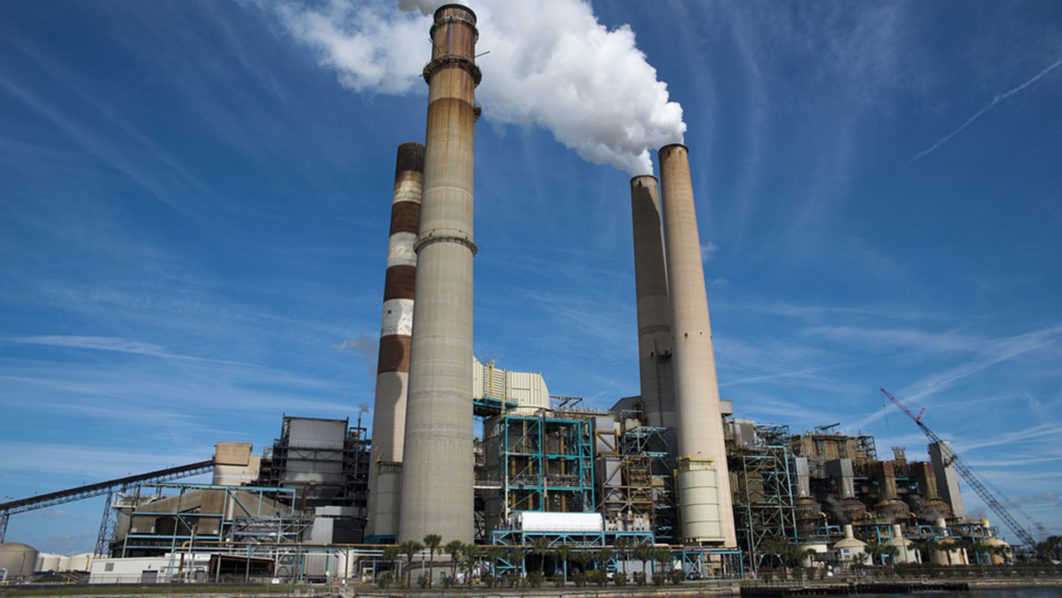
Ghana is set to build its biggest power plant at Kafodzidzi-Abrobeano in the Central Region, but the project is coming against a difficult financial backdrop for the country’s electricity industry.
The state-owned gas-fired plant is planned to produce 1,200 megawatts, more than the 1,020-megawatt Akosombo hydroelectric facility. Its first 600-megawatt phase is expected to start operating in 2028.
The project is part of Ghana’s effort to reduce the cost of supplying electricity and the financial burden placed on public finances by the power sector.
The International Monetary Fund expects the sector’s financing shortfall to reach about $1.1 billion in 2026. The World Bank estimates that delays in energy-sector recovery programmes cost Ghana about $1 billion each year.
The figures put the financial health of the electricity industry alongside power generation as a major issue for the government.
Finance Minister Cassiel Ato Forson said feasibility studies have confirmed the project’s viability. Environmental, engineering and permitting work is under way.
Debt and losses shape the electricity plan
Ghana’s energy-sector shortfall was about $1.4 billion in 2025 and is expected to stay above $1 billion in 2026.
Collection losses, distribution problems and power-generation contracts are among the issues contributing to the financing gap.
The country has also spent years dealing with unpaid bills and losses at utilities. Some power-generation contracts require payments even when electricity is not needed, placing further financial pressure on the sector.
The government says it has paid about $1.47 billion in legacy energy debt and improved payments to independent power producers.
It has also recorded savings from changing the fuel used by thermal power plants.
Ghana has shifted more thermal generation from liquid fuels to natural gas, which the government says saved about $500 million over the past year.
The government is also developing a gas-processing facility capable of handling 100 million standard cubic feet a day.
The new plant is expected to build on the use of gas for thermal generation. The government says it could reduce generation costs and support a 10 per cent to 20 per cent decline in electricity tariffs.
That could give consumers some relief if the lower generation costs are passed through to electricity prices.
But the figures from the sector show that producing more electricity is only one part of Ghana’s problem.
Utilities also need to collect more revenue, reduce distribution losses and maintain tariffs that cover more of the cost of electricity.
How Ghana plans to pay for it
Financing the 1,200-megawatt project presents another difficulty for a government carrying out fiscal reforms after a debt crisis.
Ghana cannot fund all new infrastructure from its budget, making other sources of capital important to the project.
Forson has called for guarantees, blended finance, local-currency funding, capital markets and public-private partnerships to support energy investment.
The government has already secured gas turbines from GE Vernova. It estimates that buying the equipment through its arrangement will save 35 per cent to 45 per cent compared with purchasing the turbines through third parties.
The equipment savings could reduce part of the cost of developing the plant, but the wider financing of the project will still have to be managed within Ghana’s fiscal limits.
The planned facility therefore faces two tests. Ghana needs to secure the money required to build it, and the plant needs to produce electricity at a cost that helps ease the financial strain on the sector.
The country’s recent savings from using domestic gas provide one indication of the possible benefit of a gas-based generation strategy. The government says replacing imported liquid fuel with domestic gas saved about $500 million over the past year.
However, the existing financial gap shows that savings in one part of the sector have not removed the larger problem.
The World Bank’s estimate of a $1 billion annual cost from delays in energy-sector recovery programmes also points to the cost of leaving those problems unresolved.
The planned 1,200-megawatt plant is consequently tied to a much larger effort to make the electricity industry financially workable.
The first 600 megawatts are scheduled for 2028, with the full project designed to make the facility the largest power plant in the country.
Related Stories
Sign up for our newsletter.
Get the latest news, expert analysis, and industry insights delivered straight to your inbox. Join thousands of professionals shaping the future of energy.
By submitting my information, I agree to the Privacy Policy and Terms of Service.