Power
Nigeria: NISO Cuts Power to Lagos, Abuja over Grid Faults
Nigeria's ageing transmission network is emerging as a bigger threat to power supply than generation shortfalls, exposing a costly gap in grid investment.
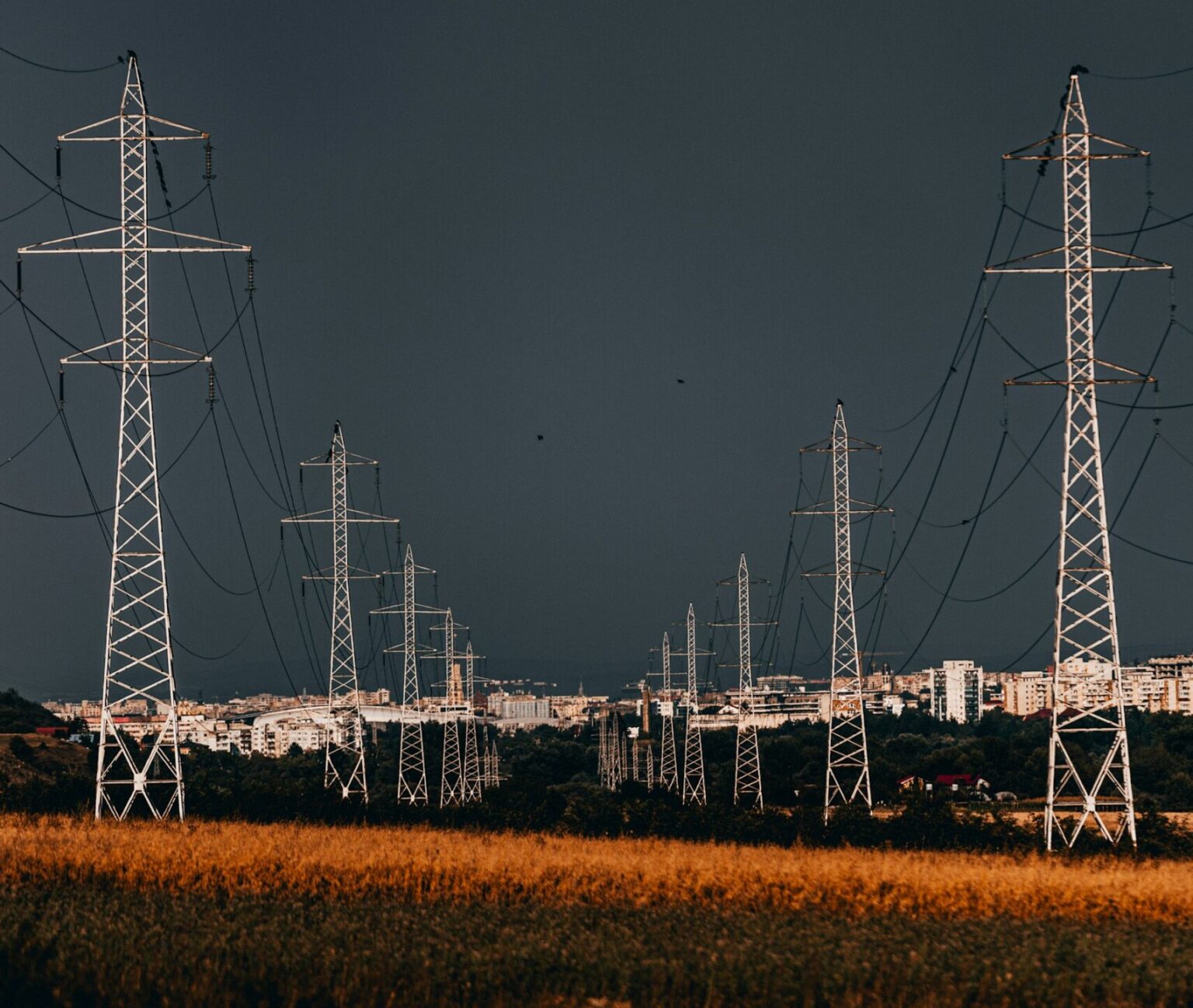
The Nigerian Independent System Operator (NISO) has curtailed electricity allocations to Lagos, Abuja and northern Nigeria after multiple transmission line faults between August 24 and 29 reduced how much power the national grid could safely deliver to those areas.
In a statement issued on Sunday, NISO, the body responsible for real-time monitoring, coordination and dispatch of Nigeria's interconnected power network, said the reduced allocations were caused by transmission constraints rather than a shortage of electricity generation. The operator said it had to adjust generation dispatch and curtail supply to some Distribution Companies (DisCos) to keep the national grid within safe operating limits and avoid a wider system collapse.
Multiple lines failed within days of each other
Lagos was affected after a succession of faults hit the Olorunsogo-Ayede, Benin-Egbin and Benin-Omotosho 330kV transmission lines, while the Osogbo-Ikeja West circuit remained out of service for an extended period. NISO said the combined loss of these circuits, high-voltage lines that carry electricity from power plants to distribution networks, reduced how much power could be safely transferred into Lagos, prompting it to cut allocations to Eko Electricity Distribution Company, Ikeja Electric and the Sakete international supply line.
The northern corridor faced a similar squeeze. The Shiroro-Mararaba 330kV line tripped between August 24 and 26, forcing the remaining circuit to carry the load to Abuja and the north. The situation worsened at 6:47am on August 27, when the Shiroro-Mando and Mando-Jos 330kV lines tripped simultaneously, leaving the Mando-Jos line as the only circuit serving Jos and the North-East, since the alternative Apir-Lafia lines had already been out of service for some time. NISO added that the twin outage significantly cut supply to Jos and the North-East and changed the network's configuration after a bus separation at the Mando Transmission Substation, forcing it to curtail allocations to Kano, Kaduna, Jos, Yola and other affected areas.
Abuja was also briefly hit on August 29, when the Shiroro-Katampe and Gwagwalada-Katampe 330kV lines tripped simultaneously at 3:55am. NISO said both circuits were restored within hours, at 7:25am and 7:20am respectively, allowing the lost capacity to be recovered.
Generation alone cannot guarantee supply
NISO disclosed that the incidents illustrate a wider point about how Nigeria's power network operates: having enough electricity generated nationally does not guarantee it can reach a specific city or region, since that depends on the transmission network having enough capacity and a stable configuration to move the power there. Where transmission constraints prevent power from being safely transferred, the operator said it must temporarily redispatch generation, curtail load or revise allocations to DisCos, as it did in this case.
The operator noted that its statement was meant to clarify why allocations changed for some DisCos during the period, and to place the underlying facts on record. Whether the affected lines, including the still-outstanding Apir-Lafia circuits, are repaired and returned to service will determine how soon allocations to the North-East and other affected areas can be restored to normal.
Related Stories

Sign up for our newsletter.
Get the latest news, expert analysis, and industry insights delivered straight to your inbox. Join thousands of professionals shaping the future of energy.
By submitting my information, I agree to the Privacy Policy and Terms of Service.