Oil & Gas
Kenya Cuts Diesel Prices by KSh10 as Government Extends Fuel Support
Kenya’s latest fuel price review reinforces the government’s use of tax measures and targeted subsidies to manage inflationary pressures, offering relief to transport-dependent sectors while balancing fiscal support with changing global energy market conditions.
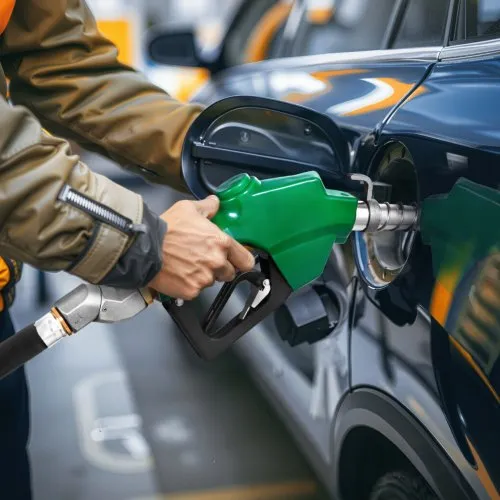
Kenyan motorists and businesses will benefit from lower fuel costs after the Energy and Petroleum Regulatory Authority (EPRA) announced a significant reduction in diesel prices, while petrol prices edged down only marginally in its latest monthly review.
Effective June 15, diesel prices have been reduced by KSh10 per litre, bringing the pump price in Nairobi to KSh222.86 per litre. Petrol will retail at KSh214.03 per litre after a modest KSh0.22 reduction, while kerosene prices remain unchanged at KSh191.38 per litre.
The adjustment follows EPRA’s monthly pricing review and comes amid government efforts to cushion consumers from rising living costs and ease pressure on transport and logistics sectors that rely heavily on diesel.
The regulator attributed the new prices to movements in international fuel import costs, changes in tax policy and support from the Petroleum Development Levy (PDL) Fund. Average landed costs for imported petrol fell slightly between April and May, while diesel import costs recorded a marginal increase.
To moderate the impact on consumers, EPRA confirmed that approximately KSh10 billion from the Petroleum Development Levy Fund will be used to subsidise diesel and kerosene during the current pricing cycle.
The revised prices also reflect the temporary reduction in Value Added Tax (VAT) on petroleum products under recent government measures aimed at easing inflationary pressures.
Across major cities, motorists in Mombasa will pay KSh210.87 per litre for petrol and KSh219.58 for diesel, while prices in Nakuru stand at KSh212.92 and KSh222.27 respectively. In Eldoret, petrol will retail at KSh213.69 per litre and diesel at KSh223.09.
The diesel reduction delivers on an earlier commitment by President William Ruto to lower pump prices by KSh10, despite concerns that changes to fuel import pricing mechanisms could undermine the planned cut.
The latest review follows last month’s intervention, when EPRA revised diesel prices downward after concerns from public transport operators over the widening price gap between diesel and kerosene, which they warned could encourage fuel adulteration.
With transport costs playing a significant role in inflation and business expenses, the latest price adjustment is expected to provide some relief for logistics operators, manufacturers and public transport providers, while helping to moderate the cost of goods and services across the economy.
Related Stories
Sign up for our newsletter.
Get the latest news, expert analysis, and industry insights delivered straight to your inbox. Join thousands of professionals shaping the future of energy.
By submitting my information, I agree to the Privacy Policy and Terms of Service.