Power
Kenya Raises July Electricity Charges as Fuel Costs Climb
Kenya's latest electricity charges show how fuel prices and currency movements continue to shape power bills, increasing pressure to expand affordable renewable energy.
Electricity bills are set to rise across Kenya this month after the Energy and Petroleum Regulatory Authority (EPRA) approved fresh monthly adjustments that will increase electricity charges by about KSh5.18 per kilowatt-hour.
The new charges, driven mainly by higher fuel costs, foreign exchange losses, inflation and statutory levies, are expected to raise electricity expenses for millions of households and businesses. For manufacturers and other energy-intensive industries, the increase could also push up production costs, with possible knock-on effects on the prices of goods and services.
According to gazette notices issued by EPRA on 10 July, consumers will pay a Fuel Energy Cost Charge of KSh3.20 per kilowatt-hour, a Foreign Exchange Fluctuation Adjustment of KSh1.4841 per kilowatt-hour, an Inflation Adjustment of KSh0.48 per kilowatt-hour and a Water Resources Management Authority levy of 1.57 cents per kilowatt-hour.
Based on the new rates, a customer consuming 100 kilowatt-hours of electricity during the July billing cycle will pay about KSh518 more before the base tariff, taxes and other statutory charges are added.
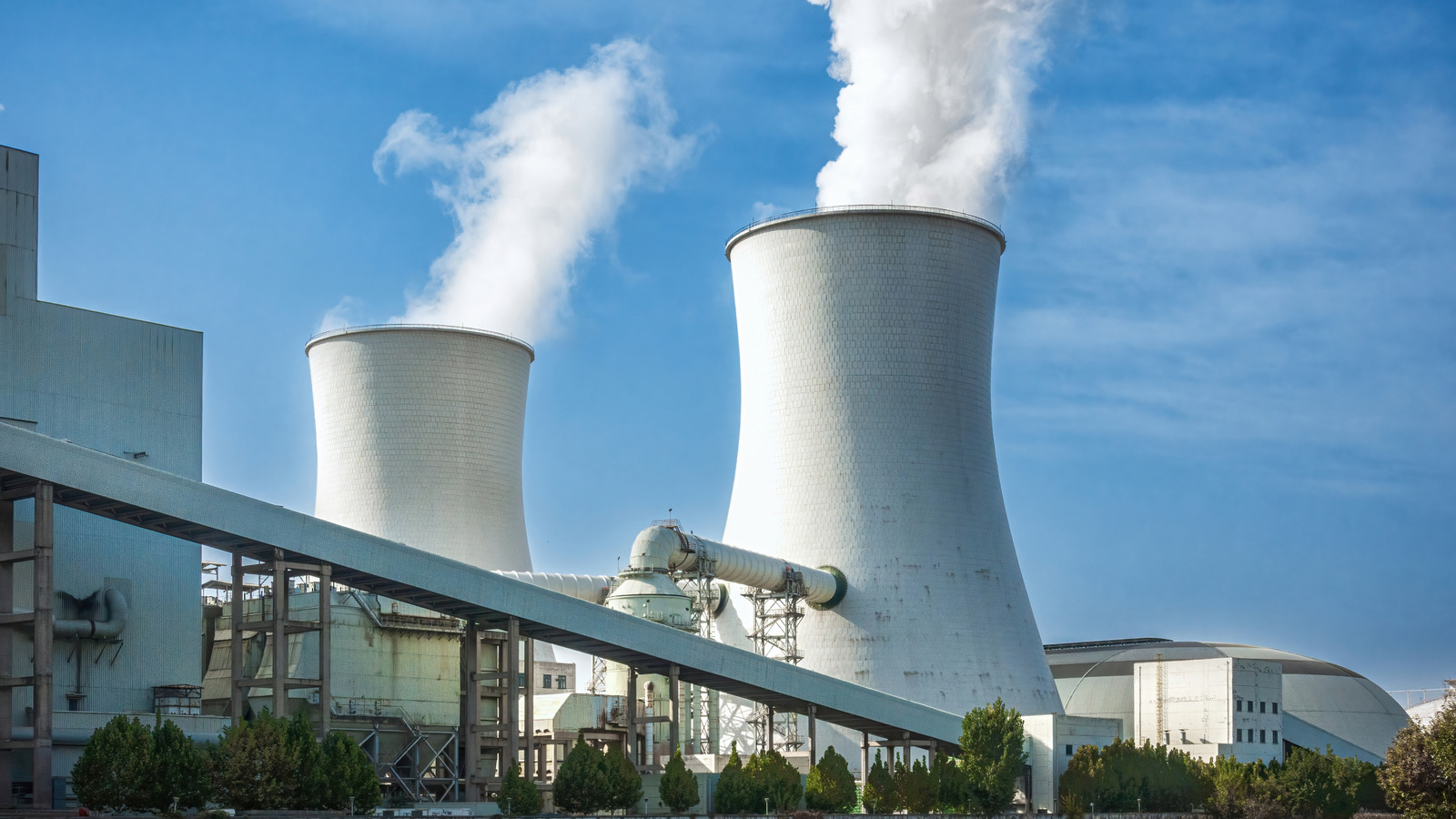
EPRA explained that the fuel charge was calculated using the cost of electricity generated in June, when thermal power stations such as Rabai, Iberafrica and Thika Power supplied part of the country's electricity demand.
The regulator also attributed the foreign exchange adjustment to fluctuations in the value of the Kenyan shilling, noting that some payments within the electricity sector are denominated in foreign currencies. The inflation adjustment, which will remain in force until December 2026, is intended to offset rising operating costs across the power industry.
The Water Resources Management Authority levy is based on electricity generated from major hydropower stations, including Gitaru, Kiambere, Kamburu, Kindaruma, Masinga, Turkwel, Sondu Miriu and Sang'oro.
Renewables have not ended tariff Pressures
The latest increase illustrates the difficult balance Kenya's electricity sector continues to manage. Although the country has expanded investment in geothermal, wind and hydropower to reduce reliance on imported fuels, thermal power plants remain essential whenever renewable generation falls short or electricity demand rises. That means changes in international fuel prices can still find their way into consumers' monthly bills.
The review also shows that exchange rate movements remain a major factor in electricity pricing. As long as parts of the sector's costs are tied to foreign currencies, a weaker shilling will continue to increase electricity charges for homes and businesses.
For manufacturers, rising electricity costs can reduce competitiveness and discourage investment, while small businesses may struggle to absorb higher operating expenses. Households, meanwhile, face additional strain on their monthly budgets as electricity joins food, transport and other essentials becoming more expensive.
Kenya has applied monthly fuel and foreign exchange adjustments for several years to help electricity utilities recover fluctuating costs without regularly revising the base tariff. While the system supports the financial stability of the power sector, it also means consumers remain exposed to global fuel markets and currency volatility despite the country's growing investment in renewable energy.
The latest increase follows another upward adjustment in June, when EPRA raised electricity charges by about KSh3.87 per kilowatt-hour through changes to fuel, foreign exchange and water resource levies. Although that increase was smaller than the latest review, it still raised electricity costs for households and businesses. The July adjustment, which pushes the additional monthly charge to about KSh5.18 per kilowatt-hour, suggests that the factors driving electricity prices, particularly fuel costs and exchange rate movements, remain under pressure despite Kenya's continued investment in renewable energy.
The latest charge will apply to all electricity consumed during the July billing cycle..
Related Stories


Sign up for our newsletter.
Get the latest news, expert analysis, and industry insights delivered straight to your inbox. Join thousands of professionals shaping the future of energy.
By submitting my information, I agree to the Privacy Policy and Terms of Service.