Power
São Tomé Advances Plan to Overhaul Struggling Power Sector
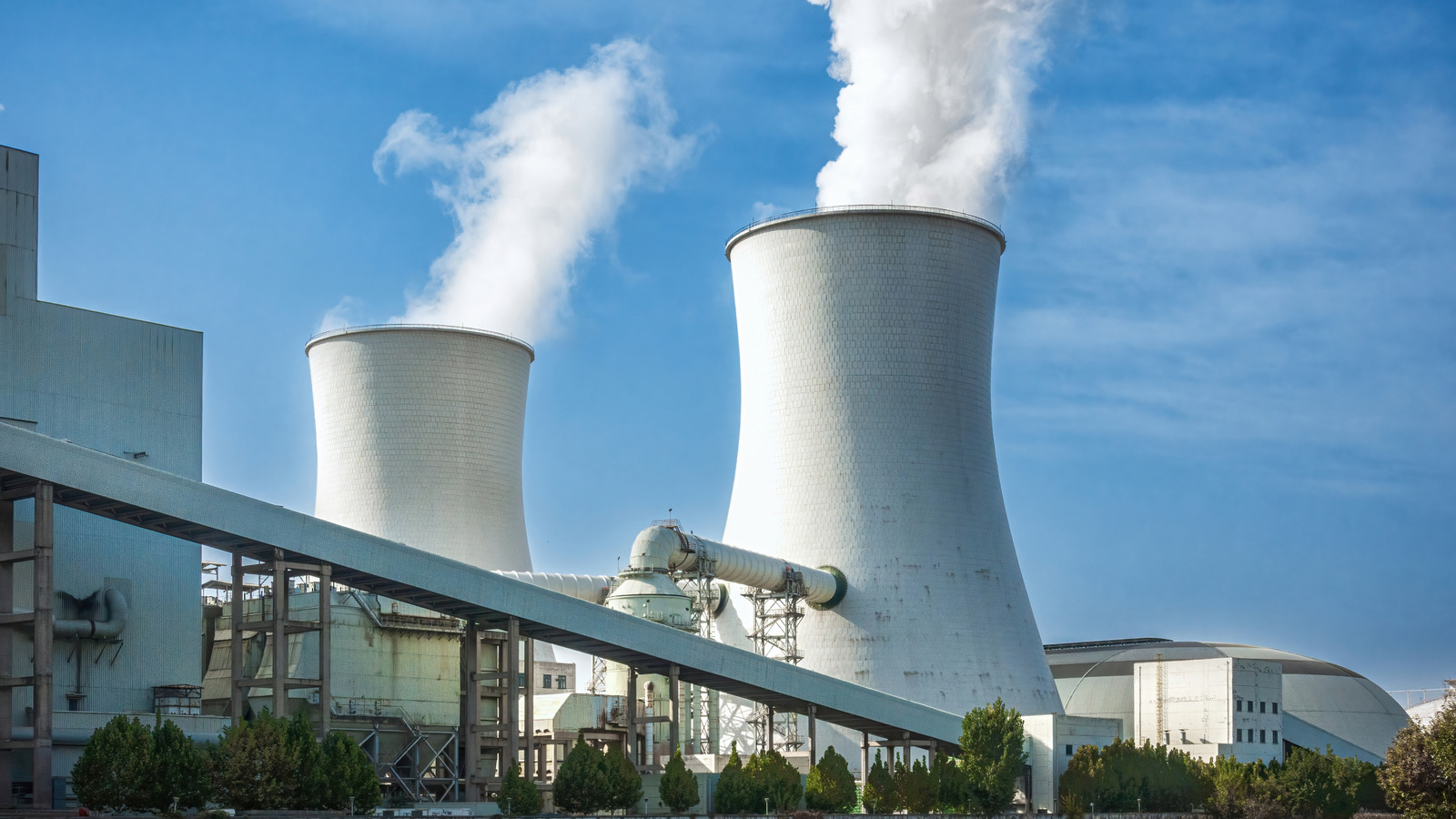
São Tomé and Príncipe is stepping up efforts to fix its electricity sector through reforms that target unreliable supply, weak infrastructure and investment gaps to support long-term economic growth.
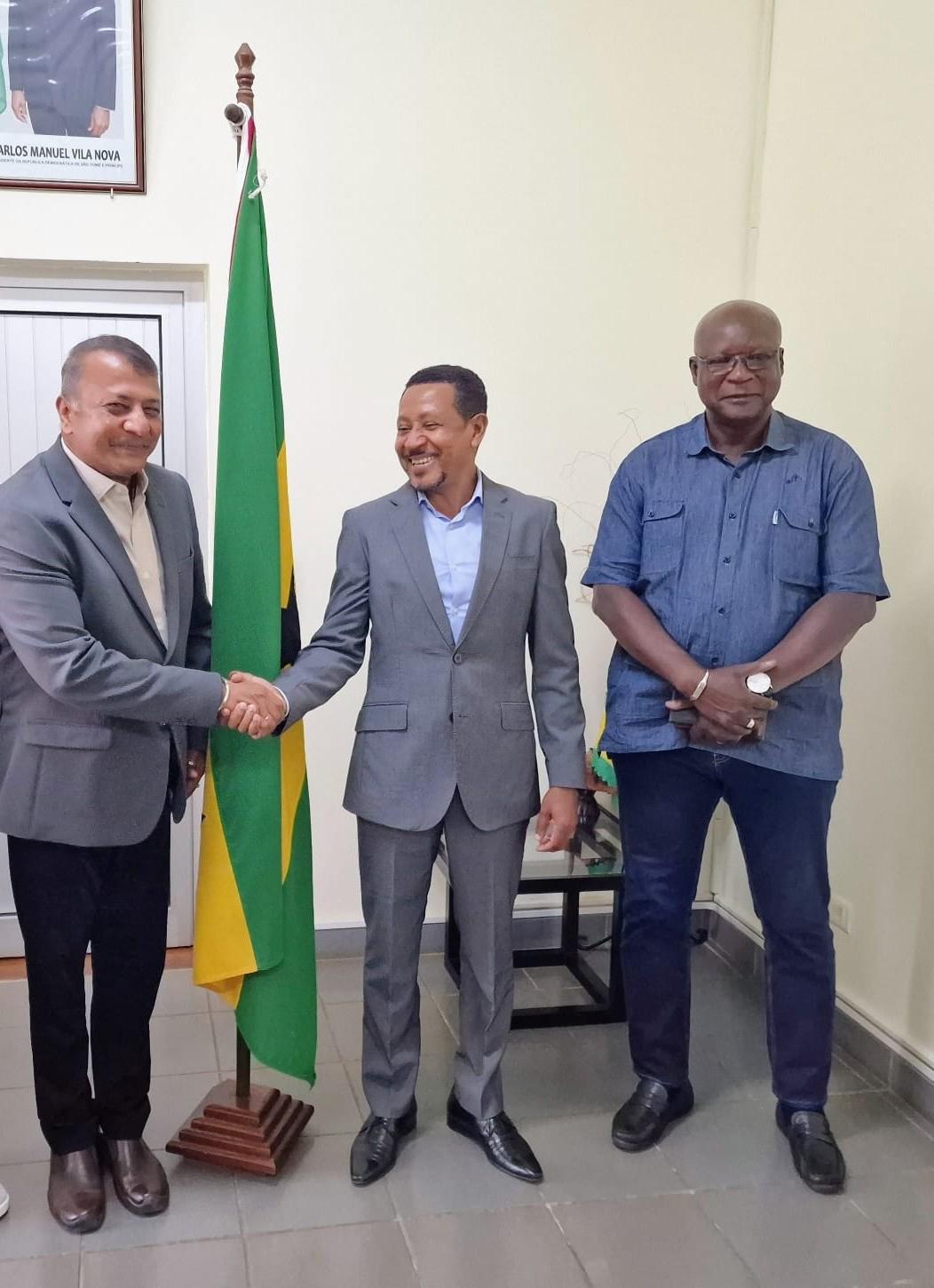
The government of São Tomé and Príncipe has deepened efforts to reform its electricity sector following high-level discussions with African energy firm TECMON Energy on a comprehensive plan to modernise the country's ageing power infrastructure.
The discussions, held during a four-day working visit by a TECMON Energy delegation between 29 June and 2 July, focused on measures to improve electricity generation, strengthen transmission and distribution networks, modernise metering systems and establish more sustainable revenue and fuel supply arrangements.
The visit follows a Memorandum of Understanding signed in January between the Ministry of Infrastructure and Natural Resources and TECMON Energy, signalling continued efforts to tackle one of the country's most persistent development challenges, an unreliable electricity supply.
The proposed programme goes beyond increasing electricity generation. It covers the entire electricity value chain, including fuel supply, grid efficiency, electricity distribution, advanced metering, digital payment systems and revenue protection.
Power sector reforms gather pace
The latest engagement is significant as it moves discussions from broad cooperation to the technical and financial planning needed to deliver electricity reforms. If implemented, the programme could help improve electricity reliability, reduce frequent outages and strengthen the financial position of the country's state-owned utility, Water and Electricity Company (EMAE).
Reliable electricity remains critical to economic growth in São Tomé and Príncipe, where power shortages and ageing infrastructure have constrained businesses, public services and industrial development. Improving the sector could also make the country more attractive to investors by providing a more stable energy supply.
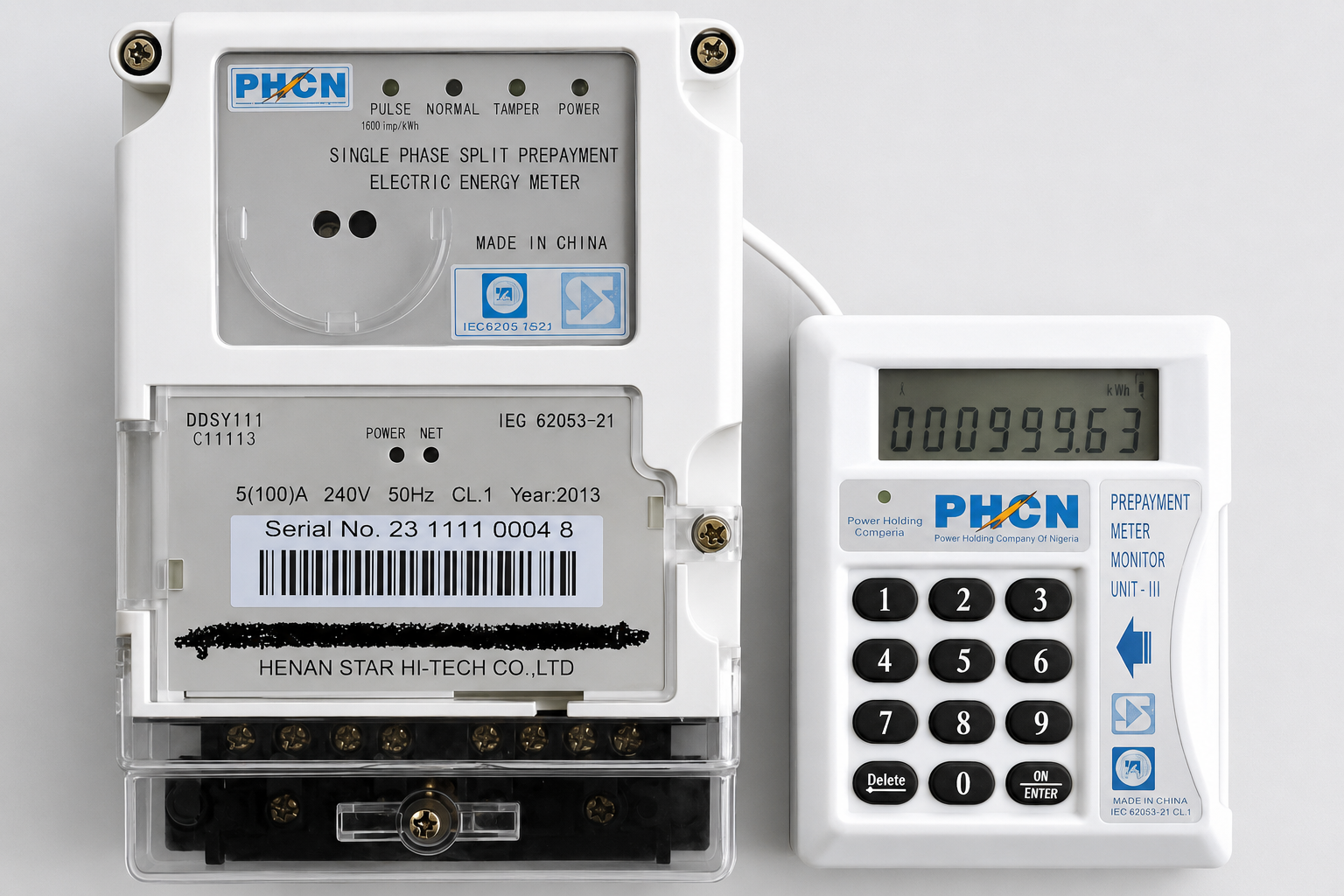
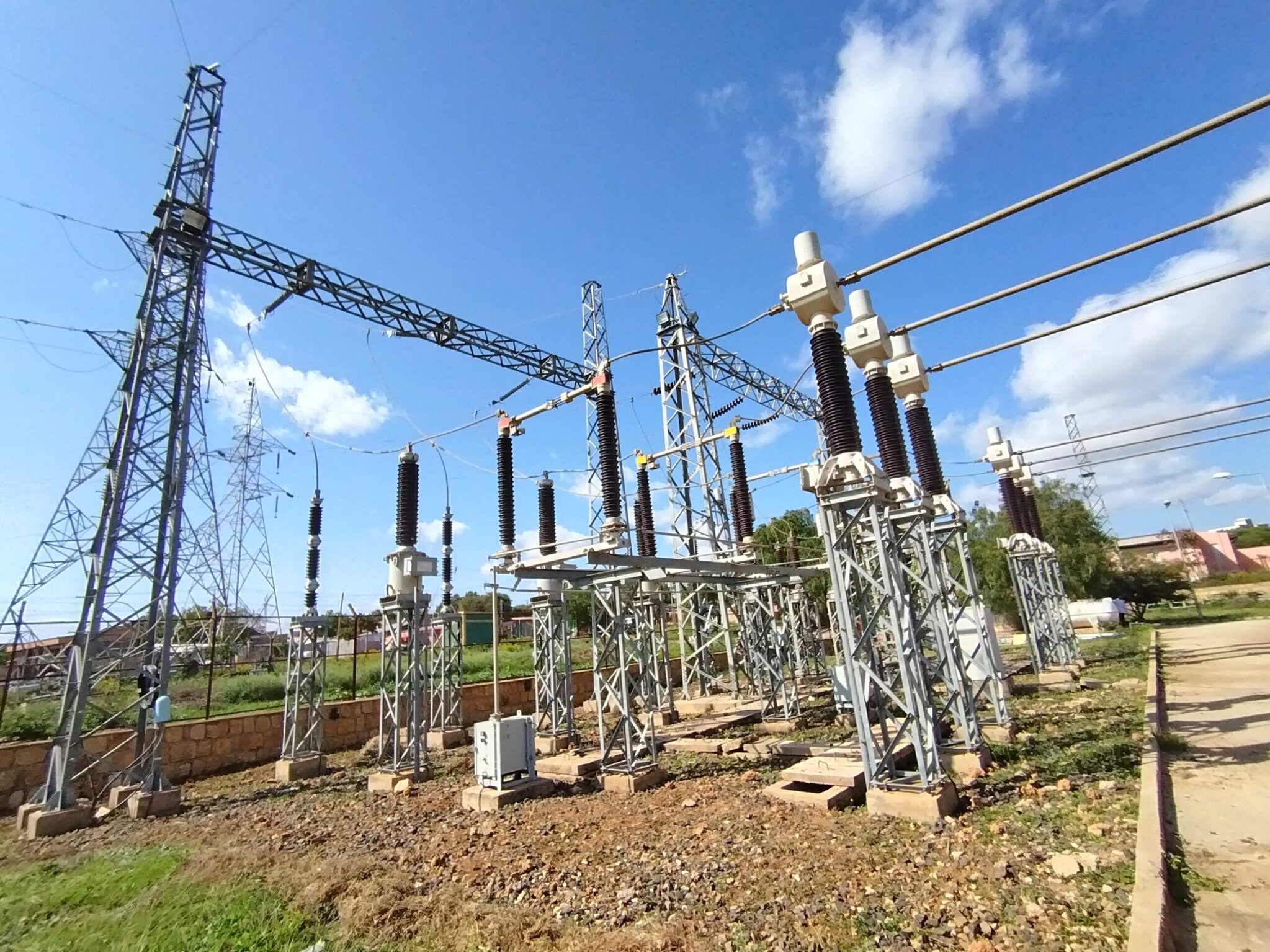
During technical meetings with officials from the Directorate-General for Natural Resources and Energy (DGRNE) and EMAE, TECMON Energy presented a phased implementation plan centred on four priorities: deploying transitional electricity generation within 12 to 18 months, reinforcing the transmission and distribution network, introducing advanced prepaid metering and revenue protection systems, and improving fuel supply and revenue collection.
The roadmap could be delivered in two or three phases over a period of between two and four years.
Government officials stressed that any proposed intervention must align with São Tomé and Príncipe's national energy strategy and complement ongoing efforts to expand renewable energy, particularly solar and hydropower.
TECMON Energy President, François Sodji, said the proposed programme was designed to address immediate electricity shortages while laying the foundation for cleaner energy development.
He added that the thermal generation would serve as a temporary solution to stabilise electricity supply while creating the conditions needed to integrate more renewable energy into the national grid over time.
The discussions also involved NAB Consulting, which is working with the parties on financing options that could reduce reliance on sovereign guarantees while ensuring projects remain commercially viable.
The consulting firm stated that structured financing backed by transparent revenue mechanisms would be critical to attracting investors and development finance for the programme.
Government seeks detailed proposal
Following the discussions, the government invited TECMON Energy and NAB Consulting to prepare a detailed technical and financial proposal for review by the relevant authorities.
The proposal will undergo technical, financial, legal and institutional assessment before any implementation decisions are taken.
The latest discussions build on broader efforts by São Tomé and Príncipe to address longstanding weaknesses in its electricity sector. Like many small island developing states, the country faces high electricity generation costs, ageing infrastructure and limited investment capacity, making reliable electricity one of its biggest economic challenges. The government has increasingly prioritised reforms that improve the financial sustainability of the sector while creating room for greater use of renewable energy and private investment.
If approved, the programme could provide a roadmap for improving electricity access in the short term while supporting the country's longer-term transition to a more diversified and resilient power system.
Related Stories

Sign up for our newsletter.
Get the latest news, expert analysis, and industry insights delivered straight to your inbox. Join thousands of professionals shaping the future of energy.
By submitting my information, I agree to the Privacy Policy and Terms of Service.