Oil & Gas
Nigeria: Petrol Dealers Squeezed as Higher Costs Meet Falling Demand
NMDPRA explains that deregulation leaves petrol prices exposed to crude sourcing, refining and supply costs as marketers report weaker sales and tighter margins.
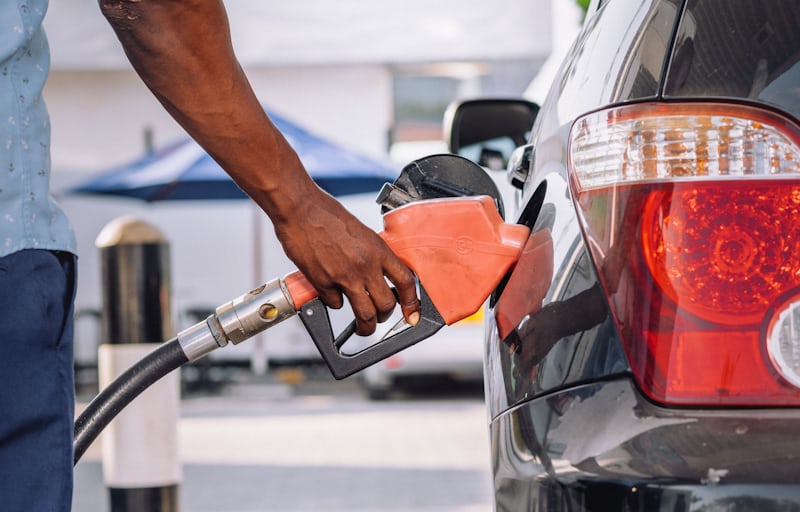
Petrol marketers are facing a difficult business cycle as higher product costs force them to commit more money to fuel stocks at a time when customers are buying less.
The situation has left some marketers buying truckloads of petroleum products with larger financial outlays, yet recording lower sales because customers have cut the volume of fuel they buy.
The pressure was reported by oil marketers earlier this year and has persisted as petrol prices rise. In Lagos, petrol currently sells for about N1,310 per litre, compared with between N1,075 and N1,135 around early July.
The Independent Petroleum Marketers Association of Nigeria (IPMAN) has asked the Federal Government to intervene in crude oil pricing for domestic refineries, saying lower crude costs could help moderate petrol prices.
Marketers face higher costs and fewer sales
IPMAN President, Alhaji Maigandi Garima, said international crude oil prices affect the cost of producing petrol at refineries.
Higher crude prices, he said, translate into higher production costs for refiners, who then pass those costs into the market.
Garima called for government intervention to reduce the cost of crude supplied to domestic refineries during periods of international market volatility.
The problem for marketers is not limited to the amount paid for fuel. They also have to deal with financing costs on the money used to stock their businesses.
Marketers said they needed a much larger financial outlay to buy a truckload of petroleum products, yet their returns were low and might not cover the high interest rates on bank loans.
At the same time, demand from customers had fallen sharply.
Some customers who previously bought 20,000 litres or 10,000 litres were buying about 2,000 litres or 1,000 litres, marketers reported.
That leaves dealers spending more money to obtain products but selling smaller quantities to customers.
The combination has put pressure on their businesses through three areas: higher product costs, lower sales and financing expenses.
The situation also gives context to the current rise in petrol prices and the pressure being felt by motorists and oil dealers.
NMDPRA explains the cost behind the pump
The Nigerian Midstream and Downstream Petroleum Regulatory Authority (NMDPRA) says several costs enter petrol pricing under the current deregulated market.
George Ene-Ita, its Head of Public Affairs, gave the explanation during an interview with the News Agency of Nigeria (NAN) on Sunday, September 6, 2026, in Abuja.
Ene-Ita said the price of petrol is fully deregulated, meaning supply conditions and related costs are reflected in what buyers pay.
“This issue is knotty in the sense that there are various factors involved.”
“Pump price petrol has been completely deregulated. And if this is the case, it also means that all volatilities associated with supply have to be factored in.”
He said crude used as feedstock by domestic refineries is one of the costs considered in pricing. The time between sourcing crude offshore and its arrival at a refinery is also taken into account.
For imported petrol, he said, there is also a period between ordering PMS cargoes and their arrival at Nigerian ports before inland distribution.
“These factors include single source domestic refining, sourcing of crude oil as feedstock, time lag between when crude is sourced offshore and when it eventually arrives the refinery.”
“They also include time lag between when PMS cargoes are ordered and when they eventually arrive our ports for subsequent inland distribution and supply in the case of imported fuel.”
Transportation, landing costs, marine taxes and inland taxes also enter the pricing calculation.
Ene-Ita said refinery pricing templates and ex-depot prices are not regulated under the current system.
He said NMDPRA is working with stakeholders and agencies such as the Federal Competition and Consumer Protection Commission (FCCPC) on price equilibrium and parity at the last mile.
However, for marketers, the immediate challenge is already visible in their books. They are spending more to stock petrol, selling smaller quantities and facing loan costs that can reduce the money left from each sale.
Related Stories
Sign up for our newsletter.
Get the latest news, expert analysis, and industry insights delivered straight to your inbox. Join thousands of professionals shaping the future of energy.
By submitting my information, I agree to the Privacy Policy and Terms of Service.