Renewables
Kenya's Path to 100% Clean Power Now Hinges on Battery Storage Rules
Kenya's renewable electricity sector maintains that battery storage rules, private investment and technical skills have become the main issues as the country wor ks towards 100 per cent clean power by 2030.
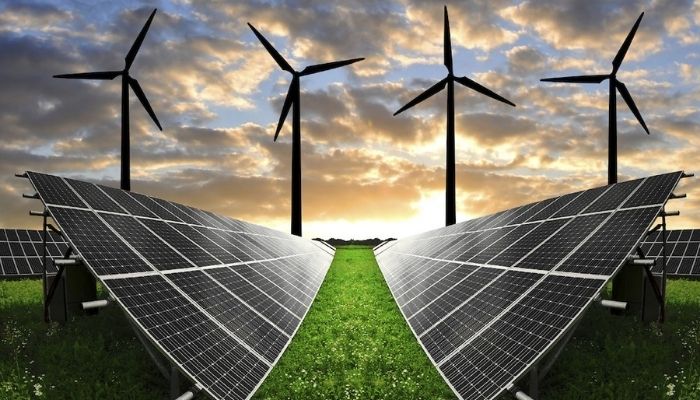
Kenya has already reached about 90 per cent renewable electricity generation, but industry players say the country's path to full clean power by 2030 now depends on battery storage rules, affordable financing and technology support instead of building more electricity generation.
That was the message from renewable energy stakeholders who gathered in Nairobi for the launch of GoodWe's EO G2 hybrid solar inverter. They said the next stage of Kenya's clean energy programme will require better energy storage, a more reliable electricity grid and clear regulations to support investment.
Battery storage takes priority
Kenya Renewable Energy Association Chief Executive Officer Cynthia Muhati said geothermal, hydropower, wind and solar have helped the country reach about 90 per cent renewable electricity generation.
She said the remaining work is achievable if existing obstacles are addressed.
"By 2030, we are looking at being at 100 percent clean power through renewable energy. Those are very ambitious targets, but they're targets that are doable considering the interest that you can see."
Muhati said regulatory barriers, financing, market access and technology transfer continue to slow progress.
"There are challenges that we face regulatory barriers, financing, market access and technology transfer. Those are the issues we must continue addressing."
She said many renewable energy developers still find it difficult to obtain affordable financing, even though commercial banks have shown more interest in the sector. She also said partnerships involving manufacturers, financiers and distributors would help attract more private investment and reduce reliance on donor funding.
Muhati said technology transfer and skills development are also needed to improve installation quality, safety standards and investor confidence.
It was noted that battery energy storage systems can help keep electricity supply stable, allow more solar and wind power to be connected to the grid and provide backup electricity where needed.
Kenya, however, has not yet introduced a dedicated regulatory framework covering battery storage procurement, licensing, grid connection, operation and commercial payment.
Investment depends on clear rules
GoodWe Africa Head Lucas Lu said reliable energy storage has become more important because of an unstable electricity grid, uneven access to electricity and rising energy costs.
He said many remote areas are still outside the national electricity grid. He also said hospitals, schools and other essential facilities continue to face high electricity bills and power interruptions that affect service delivery.
Industry participants maintained that private investment would benefit from clear public private partnership rules, internationally recognised safety standards and a market for grid balancing services.
The World Bank backed GREEN programme is already supporting studies on battery energy storage and helping to develop regulatory frameworks.
It is believed that quicker implementation of those policies will be needed if Kenya is to achieve its goal of generating 100 per cent of its electricity from renewable sources by the end of the decade.
Related Stories

Sign up for our newsletter.
Get the latest news, expert analysis, and industry insights delivered straight to your inbox. Join thousands of professionals shaping the future of energy.
By submitting my information, I agree to the Privacy Policy and Terms of Service.