Renewables |Power
Nigeria Targets 209GW of Solar Capacity as $11bn Project Pipeline Expands
Nigeria’s ambitious solar expansion plans reflect a broader push to diversify the power mix, accelerate rural electrification and position the country as a leading renewable energy hub in Africa.
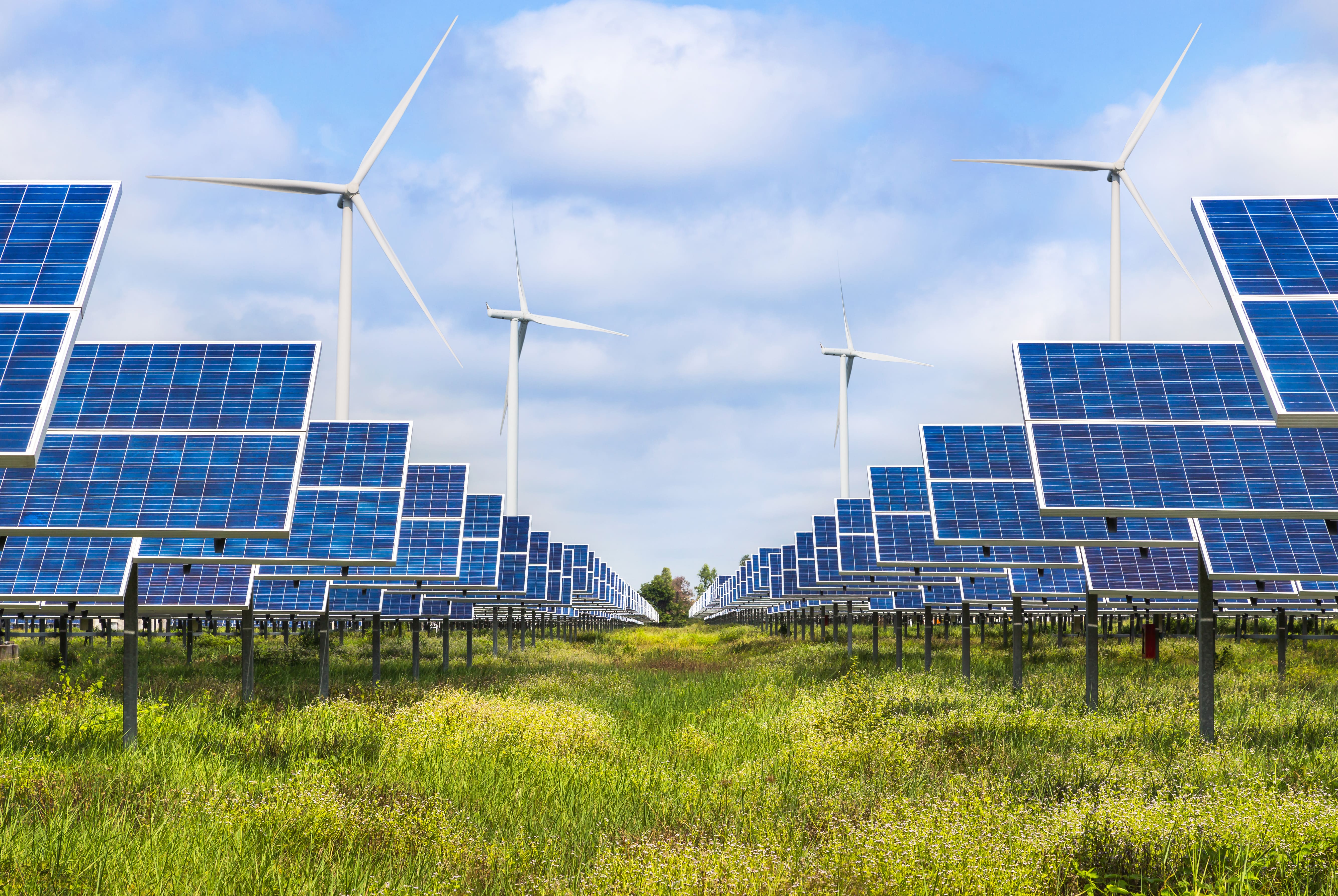
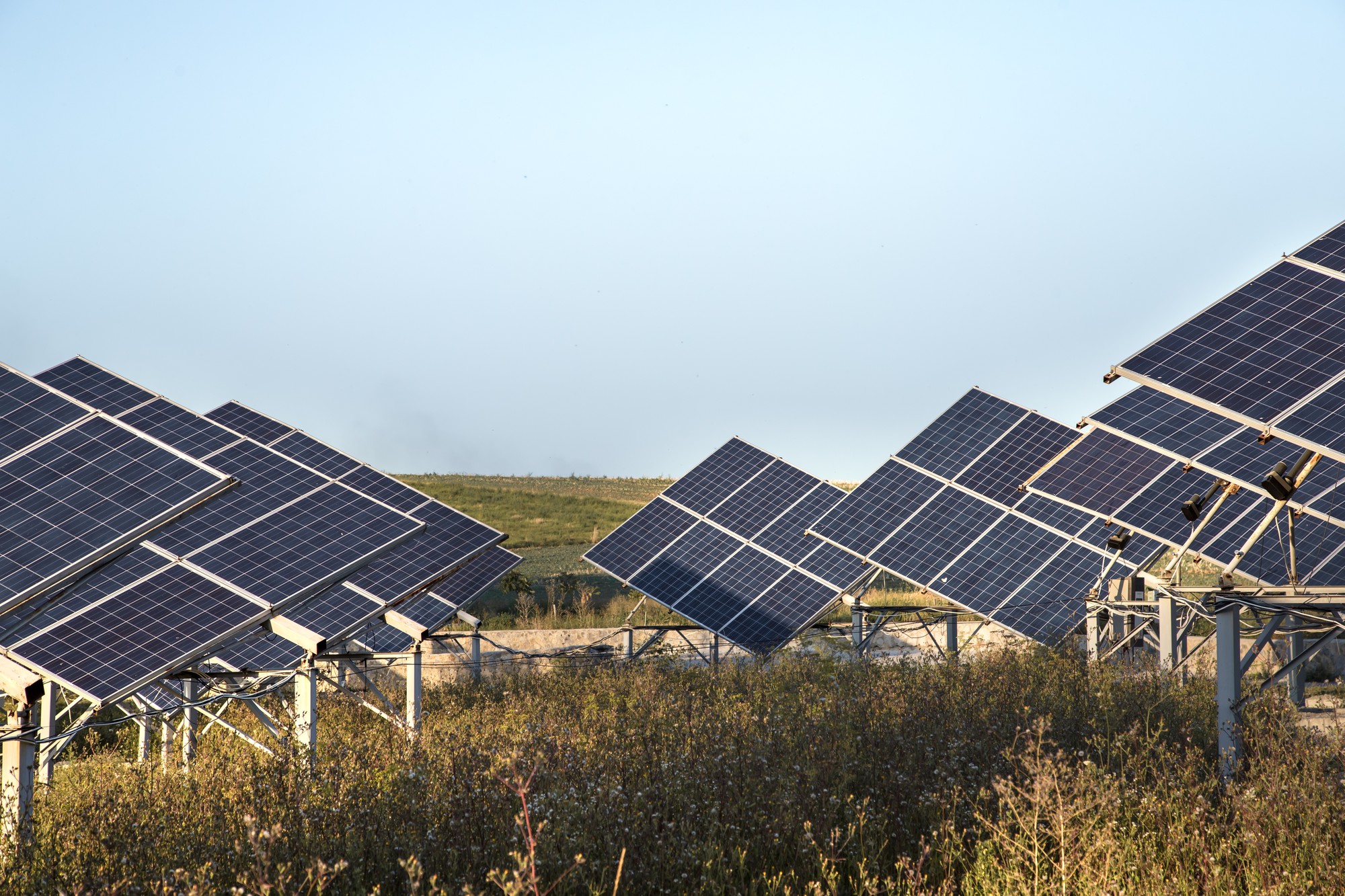
Nigeria is pursuing an ambitious expansion of its renewable energy sector, with plans to achieve 209,000 megawatts (209GW) of solar power capacity by 2050 while advancing 53 utility-scale projects valued at approximately US$11 billion.
According to a report by Industrial Info Resources (IIR), the projects currently under development signal growing investor confidence in Nigeria’s renewable energy market and form a key part of the country’s long-term strategy to diversify electricity generation and improve energy access.
The expanding solar pipeline is expected to play a central role in Nigeria’s energy transition agenda, with large-scale and decentralised renewable projects complementing existing gas-fired generation to meet rising electricity demand.
Alongside utility-scale developments, the Federal Government is accelerating rural electrification through the deployment of more than 1,300 solar mini-grids and off-grid systems under a nationwide programme led by the Rural Electrification Agency (REA).
The initiative includes 250 interconnected mini-grids designed to feed electricity into the national grid while extending reliable power to underserved communities and reducing dependence on diesel generators.
Backed by US$750 million in public funding, the programme is also expected to mobilise an additional US$1.1 billion in private sector investment, creating one of the largest renewable energy deployment initiatives in Africa.
REA Managing Director, Abba Aliyu, described the programme as a landmark intervention that positions renewable energy as a viable alternative source of electricity for Nigeria while supporting the government’s objective of expanding access to power for millions of citizens.
The agency estimates that the initiative could provide electricity to approximately 17.5 million Nigerians within three years while strengthening the country’s emergence as a regional renewable energy hub.
Nigeria has already installed more than 1,000 mini-grids nationwide, with over half financed by the REA, while the World Bank-supported Distributed Access through Renewable Energy Scale-up programme is further accelerating the rollout of solar mini-grids, standalone systems and battery storage solutions.
The programme is also expected to replace more than 250,000 diesel generators, contributing to cleaner energy use and lower emissions across the country.
According to the Global Solar Council, Nigeria added 803MW of solar capacity in 2025, bringing total installed capacity to approximately 1,019MW and highlighting the sector’s rapid growth.
The country’s renewable energy ambitions align with broader continental initiatives such as Mission 300, which seeks to expand electricity access to 300 million Africans by 2030 through increased investment in sustainable energy infrastructure.
Although gas-fired power plants continue to dominate Nigeria’s electricity generation mix, renewable sources currently account for about 23 per cent of installed capacity, driven largely by hydropower and solar energy.
The Federal Government aims to increase renewables’ contribution to 30 per cent of the energy mix by 2030 and 82 per cent by 2050 as part of its long-term Energy Transition Plan and net-zero emissions target for 2060, with solar expected to account for the majority of future capacity growth.
Related Stories
Nigeria Targets 209GW of Solar Capacity as $11bn Project Pipeline Expands
Mulilo Secures Financing for 77MW Battery Storage Project in South Africa
H1 Holdings, Revego Plan Major Clean Energy Merger in South Africa
Daystar Power, Sterling Bank Launch Hybrid Financing Model to Accelerate Clean Energy Adoption in Nigeria
Sign up for our newsletter.
Get the latest news, expert analysis, and industry insights delivered straight to your inbox. Join thousands of professionals shaping the future of energy.
By submitting my information, I agree to the Privacy Policy and Terms of Service.