Policy & Governance |Renewables
Koko Networks Shuts Down Ethanol Cooking Fuel Operations in Kenya
Koko Networks has shut down its ethanol cooking fuel operations in Kenya, disrupting access to affordable clean energy for hundreds of thousands of households and exposing the fragility of carbon-credit-driven cooking fuel models.
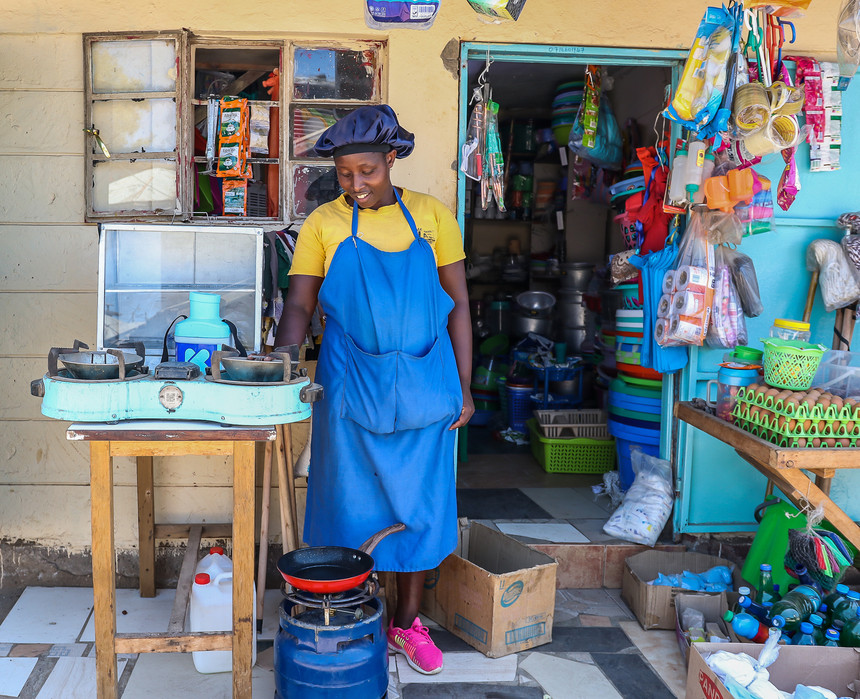
Clean-cooking fuel provider Koko Networks has shut down its ethanol-based cooking fuel operations in Kenya, leaving hundreds of thousands of users without access to a widely adopted alternative to charcoal and kerosene and putting hundreds of employees at risk of job losses.
Customers were informed of the closure through mass text messages on January 31, in which the company expressed appreciation for their support and said further guidance would be provided on next steps.
The shutdown follows a dispute between the company and the Kenyan government over authorisation to trade carbon credits in international markets, a key revenue stream that enabled Koko to subsidise fuel prices and stove distribution.
Koko’s ethanol fuel has become a widely used option among low-income households due to its affordability, accessibility and environmental benefits. Refills, priced as low as about KSh 30, provided a cheaper alternative to liquefied petroleum gas (LPG) and helped households reduce dependence on charcoal and firewood.
The company also sold subsidised clean-cooking stoves and relied on a network of vendors across urban and peri-urban areas to distribute fuel, positioning the product as a scalable solution to indoor air pollution and deforestation linked to traditional cooking fuels.
Its closure is expected to affect at least 700 employees directly, alongside thousands of informal workers and vendors connected to its supply chain and distribution network.
For many households, the shutdown removes a critical energy option at a time when the cost of alternative fuels remains high. LPG prices, for instance, have risen significantly, with the average cost of a 13-kilogram cylinder reaching more than KSh 3,100 in 2025, according to national data.
Demand for LPG has also increased, rising from about 414,000 tonnes in 2024 to roughly 444,000 tonnes in the year ending June 2025, reflecting a broader shift toward cleaner cooking fuels despite affordability constraints.
Koko’s model had combined fuel sales, stove distribution and carbon credit financing, allowing it to offer lower-cost energy solutions while promoting forest conservation and reduced emissions.
Energy sector observers say the company’s exit highlights the regulatory and financing challenges facing clean-cooking initiatives across African markets, particularly those dependent on carbon credit frameworks and government approvals.
The shutdown may force many households to revert to charcoal and firewood, raising concerns over environmental impact, household energy costs and the sustainability of clean-cooking transitions in low-income communities.
Related Stories





Sign up for our newsletter.
Get the latest news, expert analysis, and industry insights delivered straight to your inbox. Join thousands of professionals shaping the future of energy.
By submitting my information, I agree to the Privacy Policy and Terms of Service.