Policy & Governance
Nigeria, South Korea Sign Deal to Establish EV Manufacturing Plant
Nigeria has signed an agreement with South Korea to establish an electric vehicle manufacturing plant and expand charging infrastructure, supporting the country’s energy transition and automotive industrialisation plans.
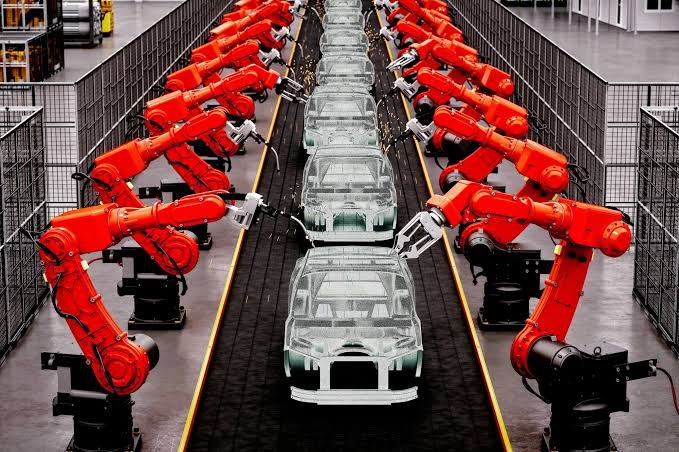
Nigeria’s federal government has signed an agreement with South Korea to establish an electric vehicle (EV) manufacturing plant and develop charging infrastructure across the country, as part of efforts to advance clean mobility and industrial development.
The memorandum of understanding was signed on January 30 by John Enoh, minister of state for industry, and representatives of South Korea’s Asia Economic Development Committee.
The National Automotive Design and Development Council (NADDC) described the partnership as aligned with Nigeria’s National Energy Transition Plan and the National Automotive Industry Development Plan.
According to the council, the project will be implemented in phases, starting with EV assembly before expanding into full-scale manufacturing, with an estimated annual capacity of 300,000 vehicles and the potential to create about 10,000 jobs.
At the signing ceremony, NADDC Director-General Oluwemimo Osanipin, represented by Nura Sidi, said the initiative would support technology transfer, investment promotion, human capital development, and innovation in Nigeria’s automotive sector.
The development comes amid growing policy support for electric mobility in Nigeria. In November 2025, a bill seeking to establish legal and policy frameworks for the transition from petrol-powered vehicles to electric vehicles scaled second reading in the Senate, sponsored by Orji Uzor Kalu.
Separately, Oando Plc Group Chief Executive Officer Wale Tinubu has projected that electric vehicles could account for 50% of Nigeria’s vehicle fleet within the next 20 years.
Related Stories

Sign up for our newsletter.
Get the latest news, expert analysis, and industry insights delivered straight to your inbox. Join thousands of professionals shaping the future of energy.
By submitting my information, I agree to the Privacy Policy and Terms of Service.