Power
Local Governments to Join Nigeria’s Electricity Market
FG moves to deepen power sector reforms, hinting at LG participation, large-scale metering plans and a push for local manufacturing to cut imports and boost electricity supply.
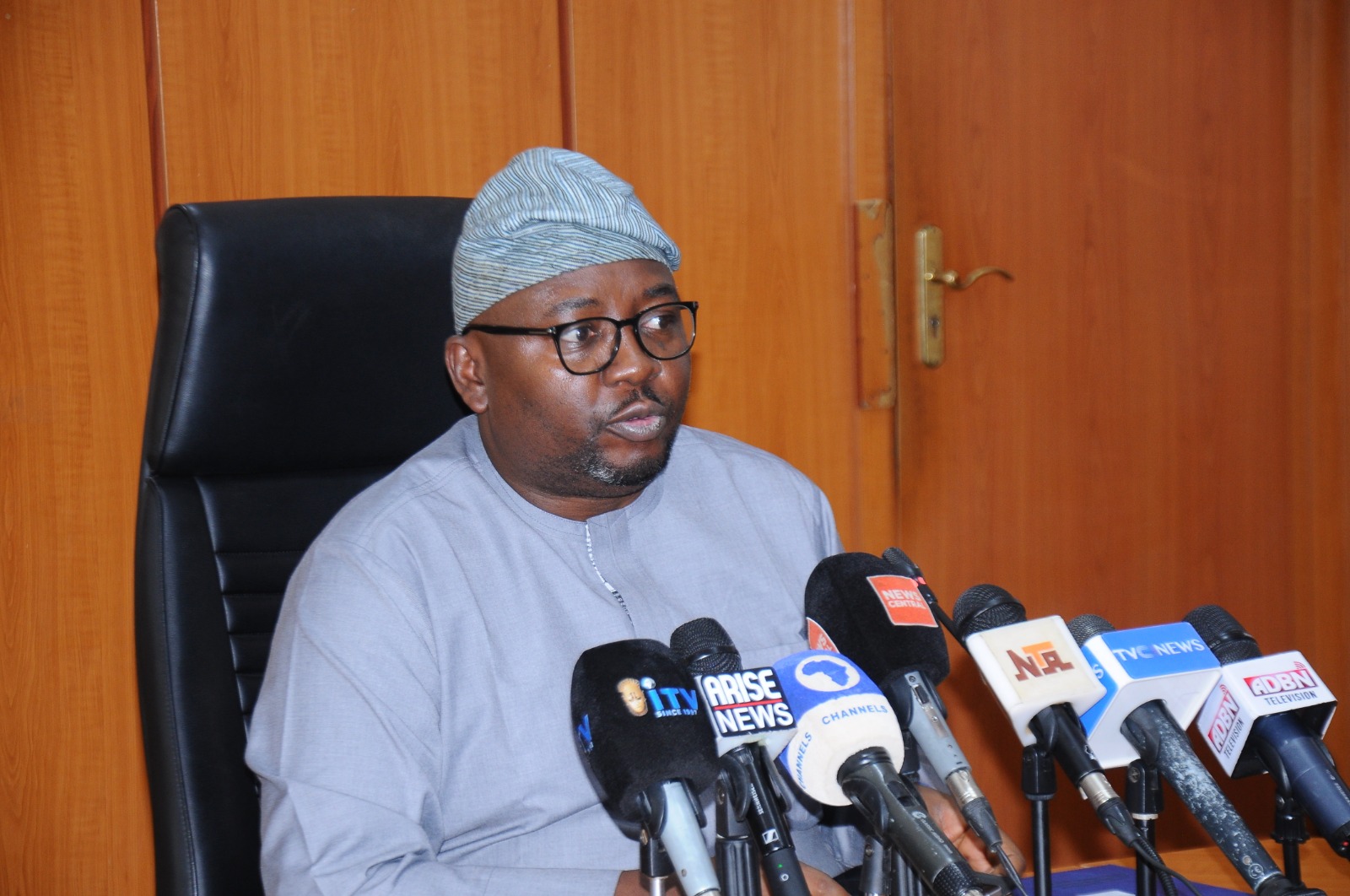
The Federal Government has disclosed that local governments may soon participate in Nigeria’s electricity market as reforms continue to deepen decentralisation in the power sector.
Minister of Power, Adebayo Adelabu, made this known in Abuja during the inauguration of the board of the Nigeria Electricity Management Services Agency, stating that the evolving framework would open opportunities for grassroots involvement, particularly in rural electrification and last-mile distribution.
Adelabu explained that the development builds on the Electricity Act 2023, which empowers states to generate, transmit and distribute electricity within their jurisdictions.
He noted that at least 17 states have already begun establishing regulatory frameworks and subnational electricity markets, adding that local governments are expected to play complementary roles as the reforms progress.
The minister further revealed plans by the Federal Government to procure no fewer than 10 million electricity meters over the next five years to address the country’s metering deficit, currently estimated at over seven million units. He emphasised the importance of local manufacturing, urging stakeholders to reduce reliance on imports and instead develop domestic capacity to produce meters and other power sector components.
Lamenting that about 90 per cent of Nigeria’s power equipment is imported, Adelabu warned that such dependence drives up costs and exerts pressure on foreign exchange.
He reiterated the government’s commitment to promoting local production, including solar panels, batteries and other renewable energy components, noting that Nigeria’s lithium reserves present significant opportunities for clean energy development.
He also highlighted ongoing reforms in the sector, including infrastructure upgrades, tariff restructuring and institutional strengthening, aimed at ensuring sustainability. According to him, much of the country’s electricity infrastructure is over six decades old and requires urgent rehabilitation, while efforts are underway to enforce cost-reflective tariffs and improve efficiency across the value chain.
Related Stories

Sign up for our newsletter.
Get the latest news, expert analysis, and industry insights delivered straight to your inbox. Join thousands of professionals shaping the future of energy.
By submitting my information, I agree to the Privacy Policy and Terms of Service.