Power
Zambia Eyes Universal Electricity Access by 2030 with Updated Rural Electrification Plan
Zambia’s updated rural electrification strategy signals a shift towards coordinated, investment-driven energy expansion, highlighting the sector’s central role in economic growth, job creation and inclusive development.
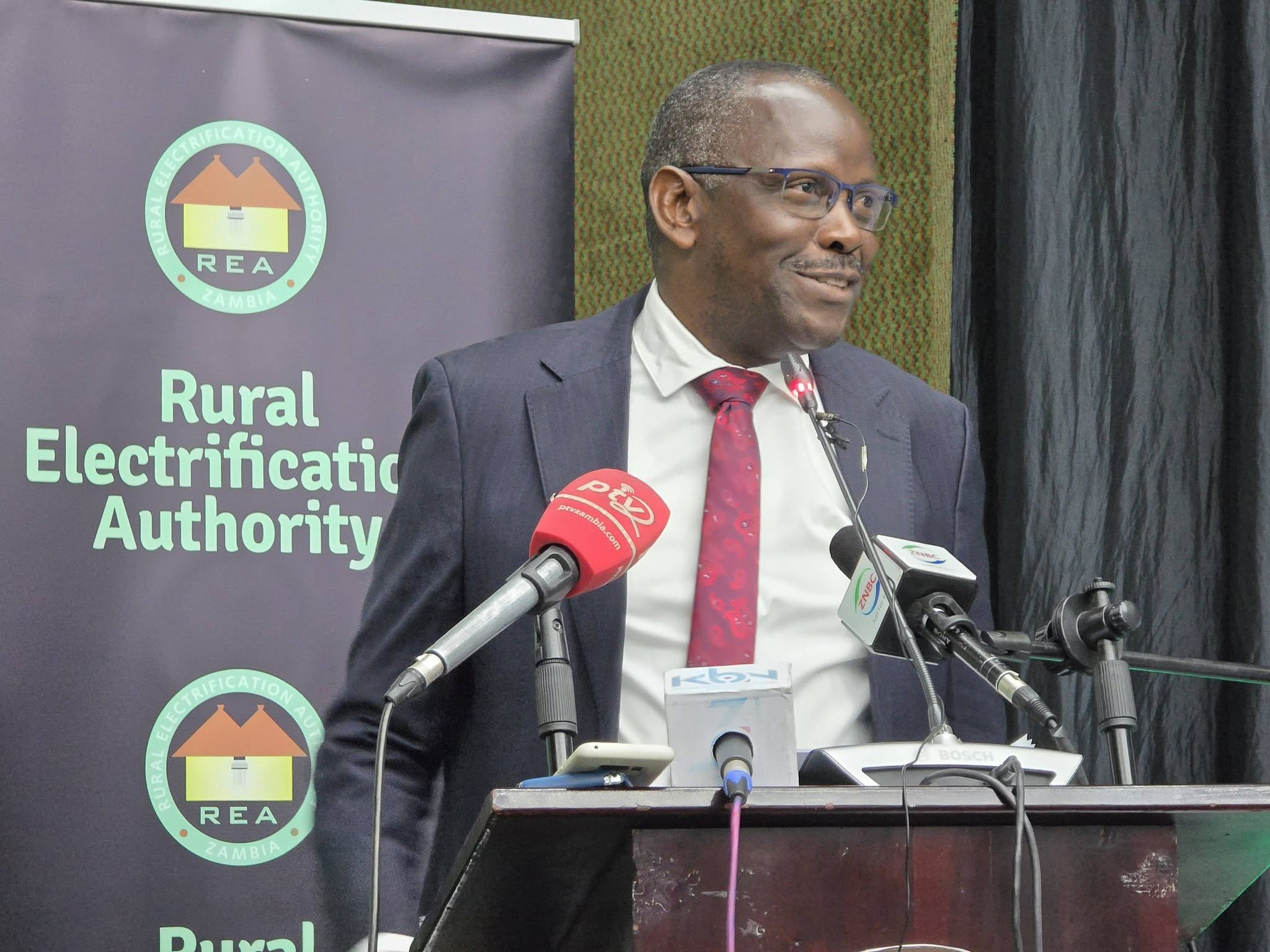
The Zambian government has unveiled an updated Rural Electrification Master Plan (REMP) aimed at achieving universal access to electricity by 2030, in a renewed push to drive inclusive economic growth and improve livelihoods.
Minister of Energy, Makozo Chikote, said during the Launch at the Mulungushi International Conference Centre that the revised plan reflects a deliberate and structured approach to national development, with electricity access positioned as a key catalyst for economic transformation.
According to Chikote, the updated REMP moves beyond mere infrastructure expansion, offering a coordinated, data-driven framework designed to unlock the country’s economic potential while ensuring underserved communities are not left behind.
He added that the plan aligns with Zambia’s Vision 2030 and global commitments, including Sustainable Development Goal 7 on universal access to modern energy.
The minister noted that about $1.52bn would be required to achieve the target, stressing the need for stronger collaboration between government, private investors and development partners.
He further stated that under President Hakainde Hichilema, the administration is prioritising policy clarity, regulatory strengthening and transparency to attract investment into the energy sector.
He described the REMP as both a planning tool and an investment roadmap with bankable opportunities.
Head of the Presidential Delivery Unit, Kuso Kamwambi, commended the Rural Electrification Authority (REA) for developing the plan and urged strict adherence to timelines, quality standards and cost efficiency in its implementation.
She emphasised that the energy sector remains critical to national development, particularly in supporting key industries such as mining and agriculture.
Permanent Secretary in the Ministry of Energy, Ephraim Munshifwa, said the updated framework would guide electrification efforts in a more coordinated and sustainable manner.
REA Chief Executive Officer, Alex Mbumba, said the agency is now focused on execution, especially in extending electricity to underserved “last mile” communities.
He disclosed that a public visualisation platform would be launched by the end of 2026 to track progress and enhance transparency.
Chikote called on stakeholders to align investments with government priorities to avoid duplication and maximise impact, adding that improved electricity access would boost service delivery in schools and health facilities, support agriculture and small businesses, and create jobs, particularly in rural areas.
Related Stories

Sign up for our newsletter.
Get the latest news, expert analysis, and industry insights delivered straight to your inbox. Join thousands of professionals shaping the future of energy.
By submitting my information, I agree to the Privacy Policy and Terms of Service.