Renewables
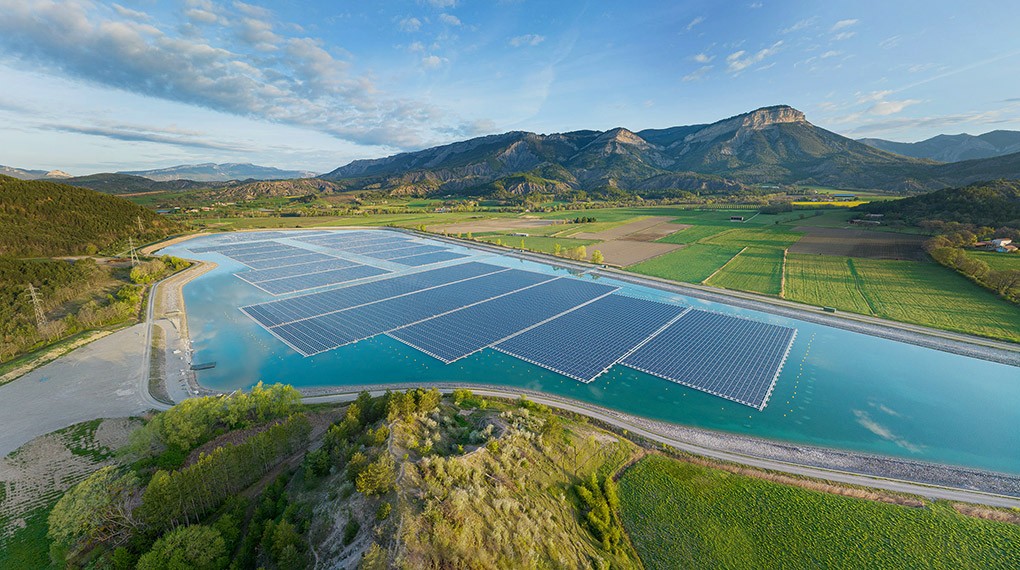
Liberia Clears 20MW Mount Coffee Solar Plant for Operation
Liberia has licensed LEC’s 20MW Mount Coffee solar plant, advancing efforts to diversify power generation, reduce fossil-fuel dependence and strengthen grid reliability
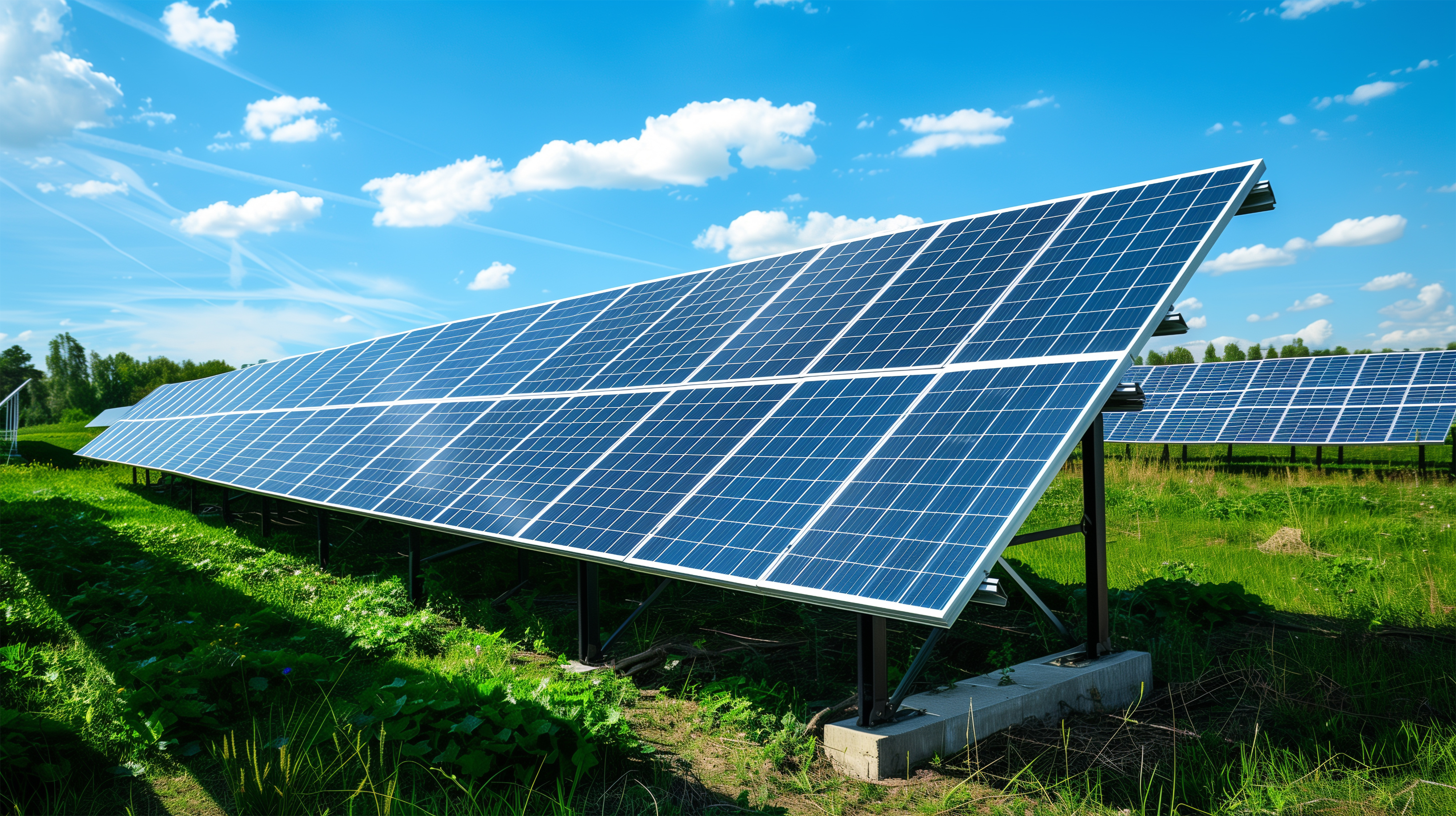
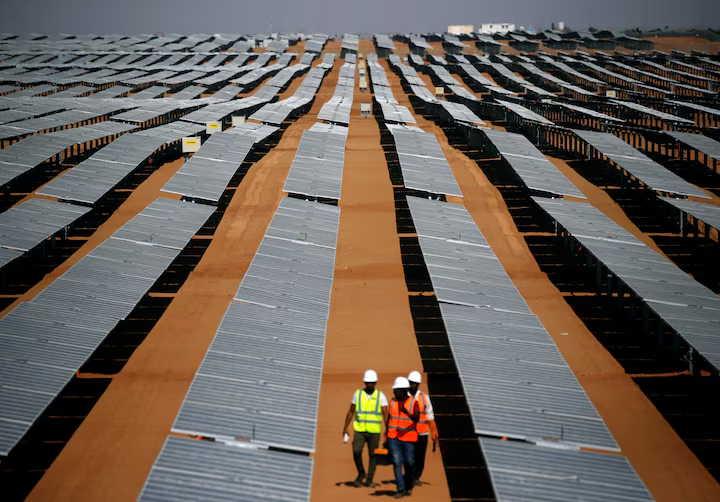
Liberia has taken a major regulatory step toward expanding renewable electricity generation after the Liberia Electricity Regulatory Commission (LERC) issued a 20MW solar generation licence to the Liberia Electricity Corporation (LEC), allowing the utility to formally operate the solar facility at Mount Coffee.
The licence, presented on August 13 at Murex Plaza in Sinkor, gives LEC legal authority to generate electricity from the project while placing the facility under Liberia’s electricity laws, technical standards and regulatory requirements.
The development comes as Liberia seeks to reduce its dependence on heavy fuel oil and diesel generation, while expanding domestic electricity supply and improving the reliability of the national grid.
Funded by the World Bank through the Regional Emergency Solar Intervention Project (RESPITE), the 20MW facility is expected to increase Liberia’s generation capacity by about 15% and extend electricity benefits to more than 200,000 urban residents.
Solar project moves Liberia beyond fossil-fuel dependence
The significance of the licence extends beyond the formal approval of another generation facility. It gives LEC a regulatory framework for bringing more solar power into a system that has historically relied heavily on expensive imported petroleum products.
LERC Commissioner Cllr. Kla-Edward Toomey II said the licence was a legally binding instrument that establishes obligations for LEC around reliability, safety, transparency, financial discipline and service delivery.
He also stressed that regulation should create a predictable environment for investment rather than serve as an obstacle to sector development.
Increasing solar generation could reduce exposure to international fuel-price volatility while allowing the country to use its renewable resources to meet rising electricity demand for Liberia.
LEC Deputy Managing Director for Operations Thomas Z. Gonkerwon disclosed that the Mount Coffee facility is already producing an average of about 5MW for four to six hours under current rainy-season conditions.
Generation will increase during the dry season as stronger and more consistent sunlight improves the plant's output.
At full capacity, the 20MW facility would provide a substantial addition to Liberia's available generation, potentially reducing pressure on existing power sources.
LEC pairs solar expansion with battery storage
LEC is also preparing to expand the renewable-energy programme beyond Mount Coffee.
Gonkerwon explained that the corporation is developing an additional 10MW solar facility alongside a 12MWh battery energy storage system, with both projects expected to come online in the first quarter of 2027.
The battery component is particularly important as Liberia increases its reliance on solar power because storage can help manage fluctuations in generation and support grid stability when solar output falls.
The additional projects would bring Liberia's planned solar capacity to a higher level while providing the grid with greater flexibility in managing variable renewable generation.
LEC is also pursuing measures to address the commercial and operational weaknesses that continue to affect the electricity system. These include reducing technical and commercial losses, deploying smart meters and upgrading its SAP digital system.
The utility noted that smart-meter deployment in the Congo Town/Sinkor area will give customers more accurate consumption information while helping LEC identify electricity losses and improve revenue collection.
LEC is targeting 75% electricity access by 2030, although achieving that goal will require continued investment across generation, transmission, distribution and customer-service infrastructure.
Regulation and community concerns remain part of the transition
The solar expansion is also being accompanied by regulatory and social safeguards.
LERC raised concerns surrounding land and agricultural activities near the Mount Coffee project in Harrisburg. Toomey said an ongoing survey intended to resolve a land dispute should be completed within two months, while affected farmland would not be disturbed until crops have been harvested.
The associated electrification effort is already about 80% complete, according to LERC.
The regulator also urged electricity consumers to pay their bills and avoid electricity theft, arguing that LEC's financial health is essential to maintaining and expanding the national power system.
On its Significance for government, the project supports a wider clean-energy agenda aimed at reducing fossil-fuel dependence, expanding electricity access and lowering the long-term cost of power generation.
The 20MW licence marks more than the approval of a single solar plant. It gives Liberia an operational pathway for bringing renewable generation into the national grid while placing greater emphasis on grid reliability, utility performance and regulatory accountability.
Related Stories
Sign up for our newsletter.
Get the latest news, expert analysis, and industry insights delivered straight to your inbox. Join thousands of professionals shaping the future of energy.
By submitting my information, I agree to the Privacy Policy and Terms of Service.