Renewables
Zambia Clears $972m Energy Investment Pipeline as Power Gap Persists
Zambia’s latest energy approvals could strengthen electricity and fuel supply, but turning nearly $1 billion in proposed projects into operating assets will be key to easing the country’s power shortage.

Zambia has cleared the way for about ZMW18.4 billion ($971.5 million) in proposed energy investment as the country continues to grapple with an electricity shortfall that has left demand well above available domestic generation.
The Energy Regulation Board (ERB) approved 23 licences, 20 construction permits and licence inclusions covering electricity, renewable energy and downstream petroleum activities, according to a statement issued on August 17.
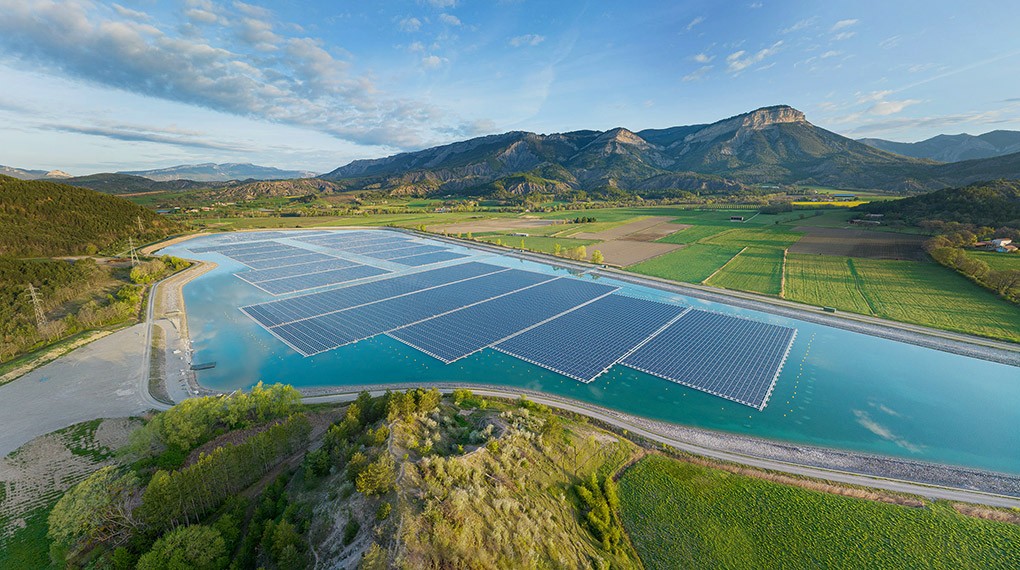
The approvals include two utility-scale solar projects, renewable-energy equipment activities, petroleum distribution and transport licences, lubricant imports and blending, and the commissioning of five retail service stations.
The regulator also authorised 116 petroleum transporters, extending the latest investment push beyond electricity generation to the wider energy supply chain.
Solar approvals come as Zambia struggles to meet electricity demand
The approval of new solar projects comes at a critical time for Zambia's electricity sector.
A severe drought sharply reduced hydropower generation, exposing the country's heavy dependence on water resources for electricity production. In February, the government told Parliament that available domestic generation had fallen to about 1,635MW, compared with demand of roughly 2,400MW.
The resulting gap forced Zambia to rely on electricity imports, with about 511MW being imported at the time.
Demand is expected to remain under pressure as mining, industry, businesses and households consume more electricity. The International Monetary Fund has warned that Zambia's electricity deficit could widen further in 2026 if new generation does not come online quickly enough.
That makes the aforesaid renewable-energy approvals significant, particularly as the government seeks to reduce its exposure to drought-related power shortages.
The ERB's 2025 Energy Sector Report estimated that projects already in the pipeline could add around 500MW of renewable generation capacity in 2026, including projects linked to the government's 1,000MW solar expansion target.
However, the regulator has not disclosed the capacity or individual investment value of the two newly approved utility-scale solar projects.
Approval is also only the beginning. Zambia has previously identified financing and the ability of developers to reach financial close as obstacles to getting renewable projects built. The aforestated projects will still need to secure funding, complete construction and begin commercial operations before they can make a meaningful contribution to the power supply gap.
Fuel supply chain also gets a boost
The ERB's approvals cover more than electricity, reflecting Zambia's broader need to strengthen its energy infrastructure.
The landlocked country depends heavily on imported petroleum products, which must be transported through neighbouring countries before reaching domestic consumers. As mining, agriculture, industry and population growth increase fuel demand, reliable transport and distribution networks have become increasingly important.
The approvals include petroleum transportation and distribution activities, as well as 116 petroleum transporters.
The move comes as the government works to improve the country's fuel-supply system. In July, authorities said petroleum-procurement debt had fallen to about $210 million, from more than $900 million in 2022.
The government also said the TAZAMA Open Access Framework had helped reduce diesel pump prices from K32.54 a litre in March 2025 to K28.11 in July 2026, while strategic fuel stocks had reached 21 days for diesel and 15 days for petrol.
Related Stories

Sign up for our newsletter.
Get the latest news, expert analysis, and industry insights delivered straight to your inbox. Join thousands of professionals shaping the future of energy.
By submitting my information, I agree to the Privacy Policy and Terms of Service.