Renewables
Tanzania to Inaugurate $3.35bn, 2,115MW Nyerere Power Plant
The project is set to reshape Tanzania’s power system by easing generation shortages, supporting industrial growth and strengthening the country’s energy security through expanded hydropower capacity.
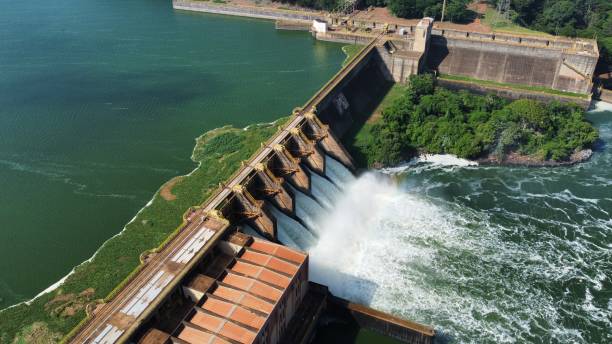
Tanzania will formally inaugurate the 2,115-megawatt (MW) Julius Nyerere Hydropower Project (JNHPP) on Aug. 22, marking a major milestone in the country’s drive to expand electricity supply and strengthen its national grid.
President Samia Suluhu Hassan will inaugurate the project at its site in Rufiji, Pwani Region, Energy Minister Deogratius John Ndejembi said on Friday.
The ceremony will bring together government officials, local and international guests, members of the public and development partners.
Ndejembi described the inauguration as a historic event and an important milestone in Tanzania’s efforts to build a more reliable energy system.
The JNHPP is Tanzania’s largest power-generation investment financed by the government, with total project costs estimated at 7.452 trillion Tanzanian shillings ($3.35 billion).
Construction began in June 2019 and was completed in March 2025.
Plant supplies nearly half of grid electricity
The significance of the project extends beyond its formal inauguration, with the plant already making a substantial contribution to Tanzania’s electricity supply.
Ndejembi revealed that the facility had generated approximately 44.9% of all electricity supplied to the national grid during the 12 months to May 31, 2026.
The additional generation has helped ease power shortages that had previously contributed to electricity rationing, giving Tanzania greater capacity to meet rising demand from households, businesses and industry.
The project also includes a reservoir with a storage capacity of about 33 billion cubic metres of water, roughly 10 times the capacity of the Mtera Dam.
Excluding electricity generation, the government expects the reservoir and associated infrastructure to contribute to flood control along the Rufiji River, irrigation, tourism and water supply.
Ndejembi disclosed that the project aligns with the objectives of Tanzania’s Development Vision 2050 and the government's broader efforts to increase generation capacity and strengthen the national electricity grid.
The government expects the additional power supply to support industrial production, attract investment and contribute to economic growth as Tanzania expands its electricity infrastructure.
With the JNHPP already accounting for nearly half of electricity supplied to the national grid over the past year, its inauguration will formalise the role of the massive hydropower project at the centre of Tanzania’s strategy to secure electricity supply for its next phase of economic development.
Related Stories


Sign up for our newsletter.
Get the latest news, expert analysis, and industry insights delivered straight to your inbox. Join thousands of professionals shaping the future of energy.
By submitting my information, I agree to the Privacy Policy and Terms of Service.