Renewables
Malawi Commissions First Utility-Scale Battery Storage System
Malawi's first utility-scale battery storage facility strengthens grid resilience and renewable energy integration while advancing efforts to improve electricity reliability and energy security.
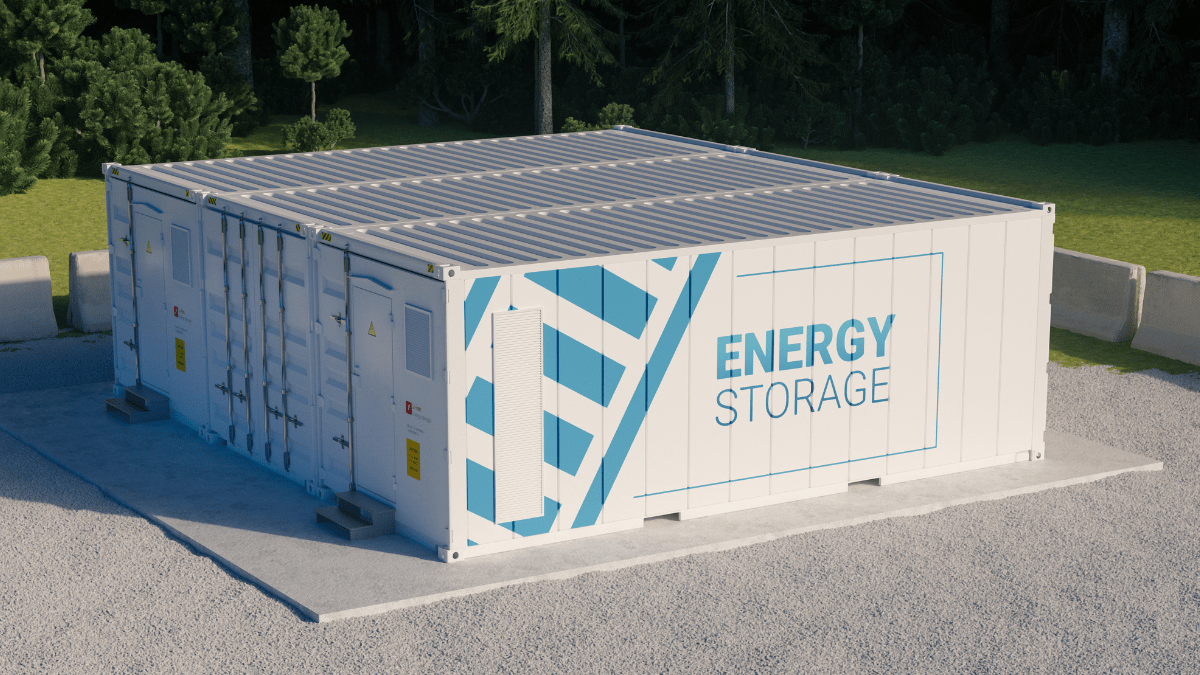
Malawi has commissioned its first utility-scale battery energy storage system, a 20MW/40MWh facility in Lilongwe designed to strengthen grid stability and improve the reliability of electricity supply across the country.
The $20.245 million Battery Energy Storage System (BESS), commissioned by the Electricity Supply Corporation of Malawi (ESCOM) at Kanengo on Friday, was funded by the Global Energy Alliance for People and Planet (GEAPP).
The facility will provide Malawi's electricity grid with greater flexibility to manage fluctuations in power supply and demand while supporting the integration of renewable energy. It is also intended to improve energy security and reduce disruptions affecting households, businesses and critical public services.
The commissioning marks a significant development for Malawi's electricity sector, which has faced persistent supply constraints. By adding battery storage to the national grid, the country gains a mechanism for managing intermittent renewable generation and balancing the system without relying solely on conventional generation capacity.
Battery storage strengthens renewable energy integration
Malawi's Minister of Energy, Jean Sendeza Mathanga, described the project as an important component of the country's development agenda under the Malawi 2063 strategy.
She stressed that reliable and affordable electricity would be essential to achieving the country's industrialisation ambitions, while the battery system would strengthen energy security and make the electricity sector more resilient.
The minister also noted that the facility would support more reliable electricity supplies for hospitals, schools and businesses and facilitate greater integration of renewable energy into the national grid.
Chief Secretary to the Government Justin Saidi, highlighted improvements in ESCOM's operational performance and communication with stakeholders, noting the government's continued efforts to address electricity supply challenges and reduce load shedding.
The project also demonstrates the growing importance of battery storage in Africa's energy transition. Battery energy storage systems store electricity for later use, allowing grid operators to respond more quickly to changes in supply and demand and helping renewable sources such as solar power contribute more consistently to the electricity system.
GEAPP Vice President Koech described the project as an example of the benefits of cooperation between governments and development partners. The facility was delivered through collaboration involving the Government of Malawi, ESCOM and GEAPP, with engineering support from JIVO and Lahmeyer International.
Apart from the Kanengo facility, GEAPP is supporting the establishment of the Southern Africa Battery Energy Storage Systems Centre of Excellence at Mzuzu University, in partnership with the Malawi University of Business and Applied Sciences.
The centre will focus on training, research and knowledge-sharing on battery storage technologies for electricity utilities, policymakers, researchers and private-sector stakeholders.
The commissioning represents more than the addition of 20MW of storage capacity. It also marks Malawi's move towards building the technical expertise and infrastructure needed to operate a more flexible electricity system and accommodate a growing share of renewable energy.
Related Stories
Sign up for our newsletter.
Get the latest news, expert analysis, and industry insights delivered straight to your inbox. Join thousands of professionals shaping the future of energy.
By submitting my information, I agree to the Privacy Policy and Terms of Service.