Climate & Sustainablity |Renewables
Nigeria: FG Turns to Clean Energy to Power Airports
Solar power and waste recycling are set to play an important role in Nigeria's airports under a new clean energy strategy unveiled by the Federal Government.
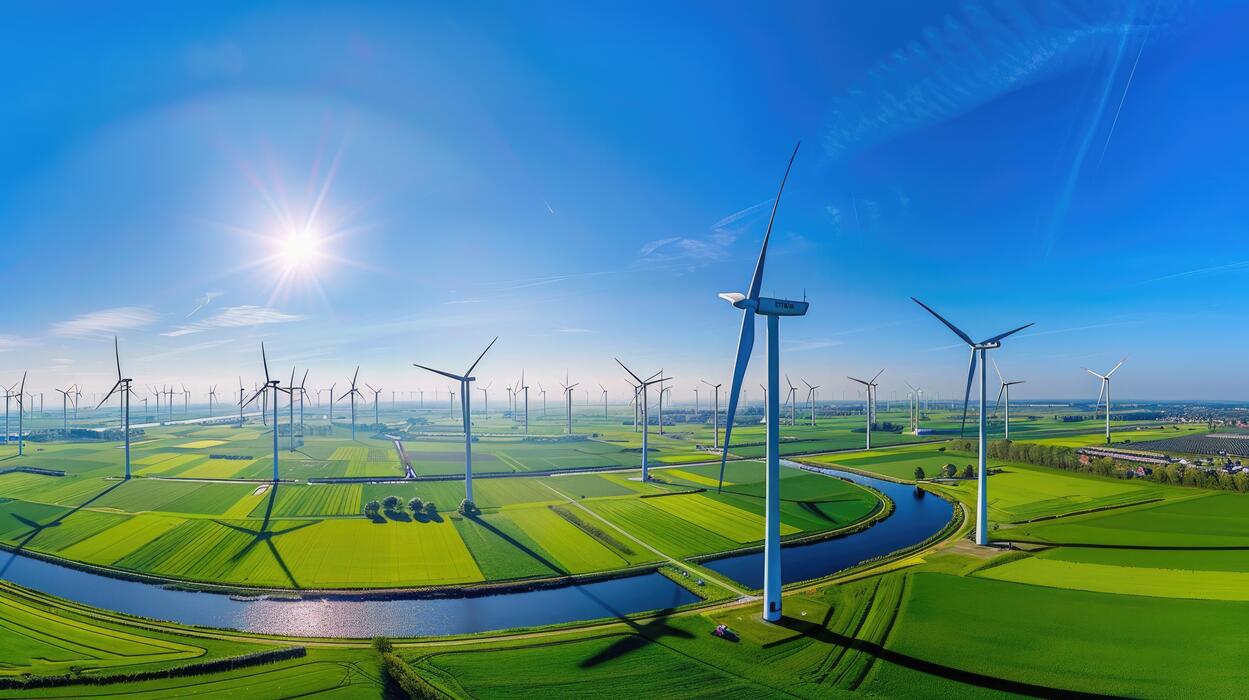
The Federal Government of Nigeria is expanding the use of clean energy in the country's airports with plans to convert airport waste into electricity and install solar power systems at airport facilities.
Aviation and Aerospace Development Minister Festus Keyamo announced the initiative at the launch of the Federal Airports Authority of Nigeria's Circular Economy Programme in Lagos.
The plan aims to reduce reliance on fossil fuels, cut carbon emissions and lower the cost of airport operations.
The initiative forms part of Nigeria's effort to meet international environmental standards under the Airports Council International's Airport Carbon Accreditation programme.
It also shows a shift towards renewable energy as airports seek cleaner and more reliable sources of electricity.
Solar power takes centre stage
Keyamo said Nigeria is aligning its airport operations with international clean energy practices already adopted in several countries.
He directed the Chinese Civil Engineering Construction Company, which is rebuilding the burnt terminal at the old international airport in Lagos, to install solar panels on the roof of the new facility.
The minister said the solar installation will supply electricity to non-aeronautical sections of the airport, reducing dependence on conventional power sources.
"Today FAAN is aligning with global best practices, as what we are launching today is actually the trend all over the world to cleaner and greener airports," Keyamo said.
He noted that many airports now rely on renewable energy, particularly solar power, to reduce emissions and improve energy efficiency.
The minister said the clean energy plan supports President Bola Ahmed Tinubu's commitment to environmental sustainability and aligns with programmes promoted by the Airports Council International and the International Civil Aviation Organization.
The latest directive places renewable energy at the centre of future airport infrastructure projects, with solar expected to become part of new airport designs.
Waste set to become a new energy source
Alongside the solar initiative, the Federal Airports Authority of Nigeria plans to convert airport waste into electricity through its proposed Waste-to-Power Initiative.
FAAN Managing Director, Olubunmi Kuku, said the programme begins with a new recycling system that will separate waste before it is processed.
The authority recorded about 1,446 tonnes of waste in 2023 and about 1,383 tonnes in 2024. She noted that all of the waste was previously taken to landfill without sorting or recycling.
Under the new plan, waste will first be separated at the point of disposal inside airport terminals.
The second phase will introduce large colour-coded recycling bins at strategic locations, while certified recycling companies will collect plastics, glass, cans and organic waste for processing.
Kuku said the recycling programme will serve as the foundation for the Waste-to-Power Initiative, which will convert suitable waste into energy for airport use.
She noted that the programme forms part of FAAN's Carbon Management Plan and will support Nigeria's effort to achieve net-zero targets under the Airport Carbon Accreditation programme.
The authority also believes the initiative will reduce operating costs and cut the amount of waste sent to landfill sites.
FAAN Board Chairman, Alhaji Umaru Ganduje, welcomed the plan and said converting waste into energy would strengthen airport operations while supporting environmental sustainability.
After the launch, Keyamo, Ganduje and Kuku inspected the renovated Pilgrims' Terminal at the Murtala Muhammed International Airport.
The minister said similar airport upgrade projects are ongoing in Kano and other Hajj terminals, while the clean energy initiative will help ensure future airport facilities rely more on renewable energy and environmentally friendly operations.
Related Stories


Sign up for our newsletter.
Get the latest news, expert analysis, and industry insights delivered straight to your inbox. Join thousands of professionals shaping the future of energy.
By submitting my information, I agree to the Privacy Policy and Terms of Service.