Renewables
Malawi Picks Fuel Stations for Electric Car Chargers
MERA, Malawi Energy Regulatory Authority, claims selected outlets in major cities and towns will get fast chargers under new fuel retail rules, with safety and electricity supply still critical.
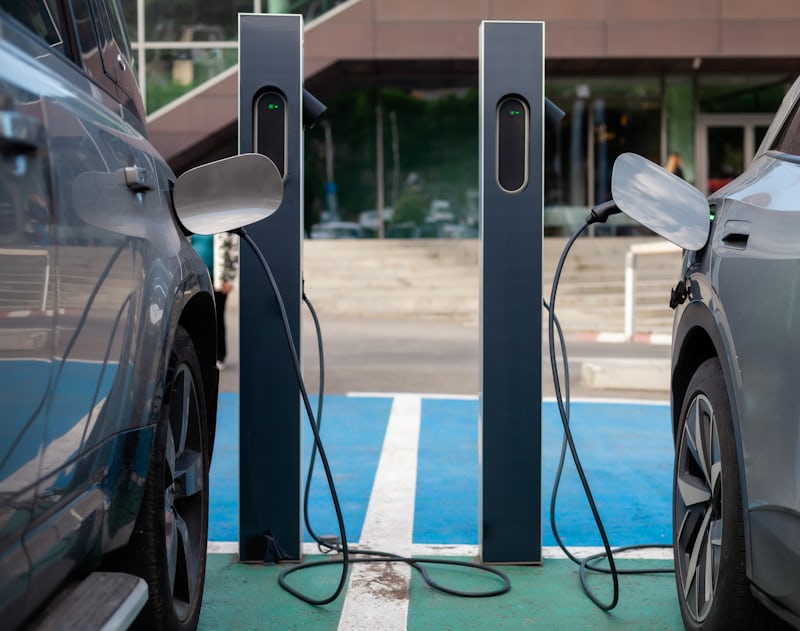
Malawi will install electric vehicle charging points at selected fuel stations in major cities and towns, under revised rules that will not require every filling station to provide the service. The Malawi Energy Regulatory Authority, MERA, said the plan will place at least one fast charger at designated outlets, based on location, traffic levels, strategic value and national energy policy.
The decision gives MERA control over which fuel stations receive charging facilities as electric transport develops in the country. It also allows the regulator to place chargers where they can serve existing demand, instead of applying one rule to every outlet.
MERA Public Relations Officer Fitina Khonje said the regulator does not intend to impose the same requirement on all fuel stations.
"The intention is therefore to take a strategic and phased approach, rather than impose the same requirement on every retail outlet regardless of its location or the current level of EV demand," Khonje said.
Malawi already has charging sites
Malawi's electric transport market is still small, but charging infrastructure is already being developed.
The 2026 Annual Economic Report puts the number of registered electric motorcycles at about 280, alongside more than 30 electric vehicles.
Four motorcycle charging stations have already been built through a partnership between SVG and TotalEnergies.
MERA also approved three electric-motorcycle charging points in Lilongwe in 2024 after safety inspections. The points were installed at TotalEnergies facilities at Gateway, Capital Hill and Kanengo.
MERA has also prepared technical requirements for electric vehicle charging stations as part of the country's regulatory work on electric transport.
The revised Fuel Retail Outlet Guidelines will now require designated outlets in major cities and towns to have at least one electric vehicle fast-charging station.
There is no firm national deadline for the rollout. MERA will therefore be able to expand charging facilities in line with demand and its chosen priorities.
The plan covers both electric cars and motorcycles as Malawi develops facilities for electric transport.
Power supply and safety set conditions
The availability of reliable electricity will be important at stations selected for the chargers. Charging facilities need sufficient network capacity and dependable power from Malawi's electricity provider, ESCOM.
ESCOM recently commissioned a 20MW/40MWh battery energy storage system at Kanengo. The system is intended to improve grid stability and help manage electricity demand during peak periods.
The charging rules also set safety requirements for stations that receive the facilities.
Charging equipment must be electrically separated from hazardous areas, meet electrical safety standards and have protection against vehicle impact. Clear safety signs must also be displayed.
Fuel stations will also need fire extinguishers, emergency shutdown systems, warning signs and emergency contact details.
Khonje said an Emergency Shutdown System or Emergency Stop Button will be compulsory at the sites.
"An Emergency Shutdown System or Emergency Stop Button is mandatory," she said.
When activated, the system will cut power to the forecourt, stop fuel dispensing and isolate electrical equipment. The purpose is to prevent an emergency from becoming worse.
The regulator has not yet set a specific price for electric vehicle charging.
Khonje said it would be premature to say that a charging tariff has already been established. MERA and other relevant bodies will consider licensing, metering, consumer protection and pricing as the electric vehicle market develops.
The decision to select specific fuel stations means the rollout will begin with sites chosen for their location and usefulness. Major cities and towns are the first areas named for the programme, as Malawi prepares for more electric vehicles on its roads.
Related Stories
Sign up for our newsletter.
Get the latest news, expert analysis, and industry insights delivered straight to your inbox. Join thousands of professionals shaping the future of energy.
By submitting my information, I agree to the Privacy Policy and Terms of Service.