Renewables |Power
Morocco Launches Africa's Largest Floating Solar Plant
A 13-megawatt array now floats on the Oued Rmel reservoir near Tanger Med, generating electricity for the port while shading the water beneath it. In a country deep in drought, a power plant that also curbs evaporation is more than a novelty.
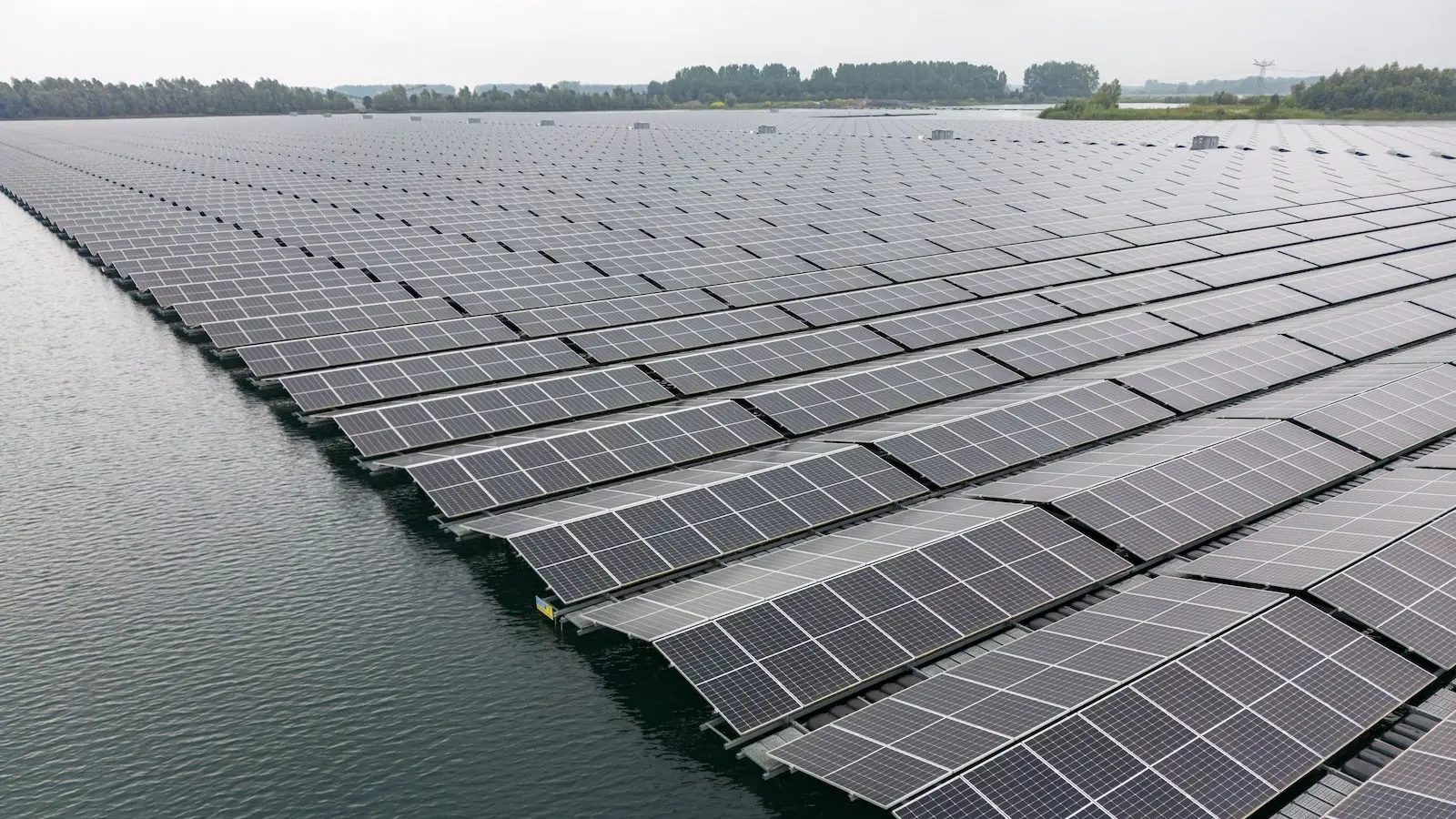
Morocco has begun operating Africa's largest floating solar power plant, a 13-megawatt facility on the Oued Rmel Dam reservoir that is expected to produce clean electricity while helping reduce water loss caused by evaporation. The project serves industrial facilities near the Tanger Med port complex and also supports water conservation in a region facing long periods of drought.
The new floating solar plant was built by H2air PX, the construction division of the France-based H2air Group, on the Oued Rmel Dam reservoir in northern Morocco. It supplies electricity to the industrial and port facilities operated by Tanger Med Utilities.
The project stands out because it combines renewable electricity generation with water conservation. Solar panels installed on the surface of the reservoir block part of the direct sunlight that reaches the water. Project details show this can reduce evaporation by about 30 percent, helping preserve water stored in the dam.
The Oued Rmel Dam is also an important freshwater source for nearby communities. To protect this resource, continuous water quality monitoring systems have been installed. These systems help ensure that the floating solar facility operates without affecting the quality of the reservoir's water and meets environmental safety requirements.
Northern Morocco has experienced prolonged drought, making efficient water management more important. By placing solar panels on the reservoir instead of using large areas of land, the project delivers electricity while helping reduce water loss from the dam.
Engineering designed for changing water levels
The floating solar plant covers about 72,870 square metres and is made up of three separate photovoltaic islands. Nearly 22,000 solar panels have been installed on 400 specially designed floating platforms.
Building the facility required solutions for the changing depth of the reservoir. Water levels can vary from 35 metres to 79 metres, creating a difference of 44 metres.
To deal with these conditions, H2air PX designed customised anchoring and flotation systems that allow the platforms to move safely as water levels change while keeping electricity production stable.
Several companies worked together to complete the project. H2air PX handled engineering work, electrical substation development and inverter integration. EnergyDesign carried out civil engineering, site access and installation work. Seaflex supplied the marine anchoring technology, while Profloating provided the floating platforms.
Clean energy supports industry
The completed plant is located near the Tanger Med port complex, where it will provide renewable electricity to industrial and port operations managed by Tanger Med Utilities.
Floating solar technology is attracting attention because it can produce electricity without taking up agricultural or industrial land. It also offers environmental benefits where reservoirs face significant water evaporation.
The Morocco project demonstrates how one installation can support two important needs at the same time: supplying clean electricity for industrial use and helping conserve freshwater stored in a major reservoir.
The project sets a new operational benchmark for floating solar development in Africa, with water quality monitoring, customised engineering and renewable power generation combined in one facility.
Related Stories
Sign up for our newsletter.
Get the latest news, expert analysis, and industry insights delivered straight to your inbox. Join thousands of professionals shaping the future of energy.
By submitting my information, I agree to the Privacy Policy and Terms of Service.