Power
Nigeria's Power Minister Promises Better Electricity Supply by Year-End
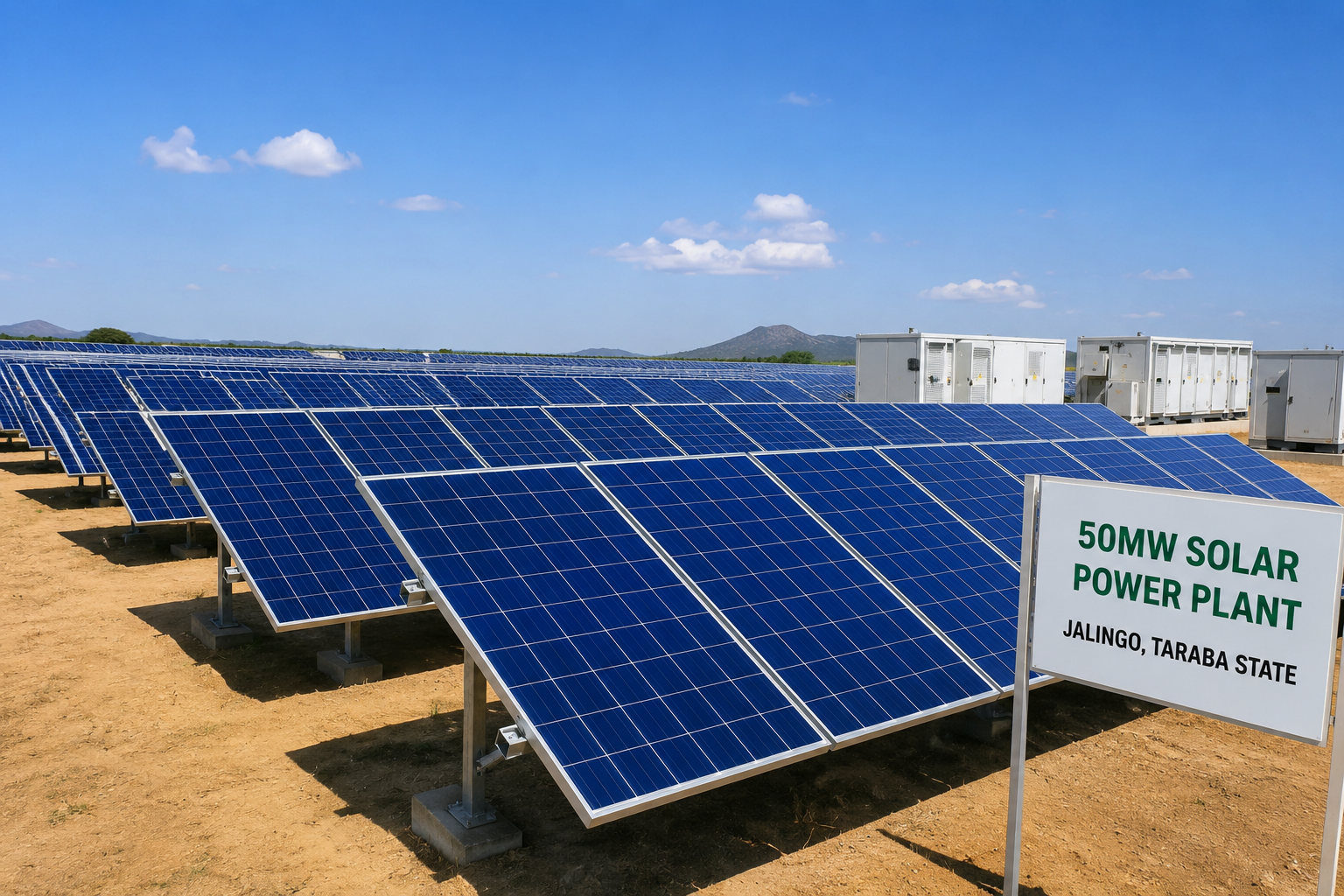
Nigeria is banking on a mix of grid upgrades and renewable mini-grids to improve electricity supply, as the government says rural communities are already seeing the economic benefits of reliable power.
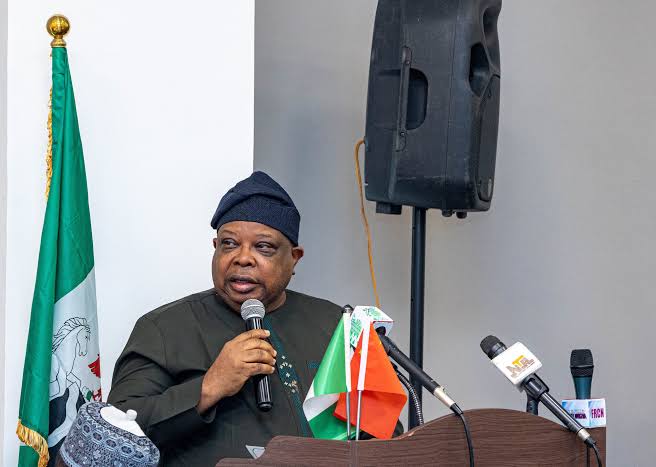
The Minister of Power, Joseph Tegbe, has assured Nigerians that electricity supply will improve before the end of 2026, saying the Federal Government is rehabilitating the national grid while expanding renewable energy projects to accelerate electricity access across the country.
Tegbe gave the assurance in Abuja during the media launch of the Africa Mini-Grid Programme (AMP) Nigeria Pilot Project, where the Rural Electrification Agency (REA) and the United Nations Development Programme (UNDP) announced the completion of 23 solar-powered mini-grids across 15 states.
The minister acknowledged the frustrations of electricity consumers but said decades of underinvestment in the sector could not be reversed within a short period.
"Before the end of this year, Nigerians will see a significant improvement in electricity delivery," Tegbe said.
He said the government's efforts extend beyond rehabilitating transmission infrastructure to deploying decentralised electricity systems in communities beyond the reach of the national grid.
"What was badly managed for 50 years cannot be resolved in six months. We are fixing the infrastructure, fixing the main grid, building off-grid assets where necessary and strengthening the resilience of the entire electricity network."
Tegbe described renewable energy as a permanent part of Nigeria's electricity system rather than a temporary alternative to conventional generation, saying solar-powered mini-grids are becoming an important tool for expanding electricity access in underserved communities.
Mini-grid pilot reaches 20,000 households
The REA said the pilot programme has provided electricity to about 20,000 households and more than 50,000 people while supporting businesses, agricultural processing, healthcare facilities and schools across the participating communities.
Mini-grids are small electricity networks, usually powered by solar energy, that supply communities beyond the reach of the national grid.
REA Managing Director Abba Aliyu said the programme was designed to do more than provide electricity by integrating productive-use equipment into mini-grid projects. He said farmers are processing and storing produce locally, businesses are operating for longer hours and new employment opportunities are emerging in participating communities.
"The true impact of the programme is found in the rice processor whose productivity has doubled, the farmer who now processes and stores produce locally, the woman entrepreneur whose business remains open after sunset, and the young technician who has discovered a new source of livelihood."
Aliyu said the REA plans to develop 50 additional mini-grids, extending electricity access to another 50,000 households.
UNDP Assistant Secretary-General and Regional Director for Africa, Ahunna Eziakonwa, said Nigeria was among the first participating countries to complete the programme cycle, attributing the achievement to the country's technical capacity and strong community participation.
The Africa Mini-Grid Programme is implemented by the REA and UNDP with funding from the Global Environment Facility (GEF) to expand electricity access through decentralised renewable energy systems and support rural economic development.
Related Stories

Sign up for our newsletter.
Get the latest news, expert analysis, and industry insights delivered straight to your inbox. Join thousands of professionals shaping the future of energy.
By submitting my information, I agree to the Privacy Policy and Terms of Service.