Power
REA Repositions Mini-Grids to Draw Private Investment
REA says its mini-grid projects have secured more than $1.2 billion in private financing as the agency expands electricity partnerships with distribution companies in Nigeria.
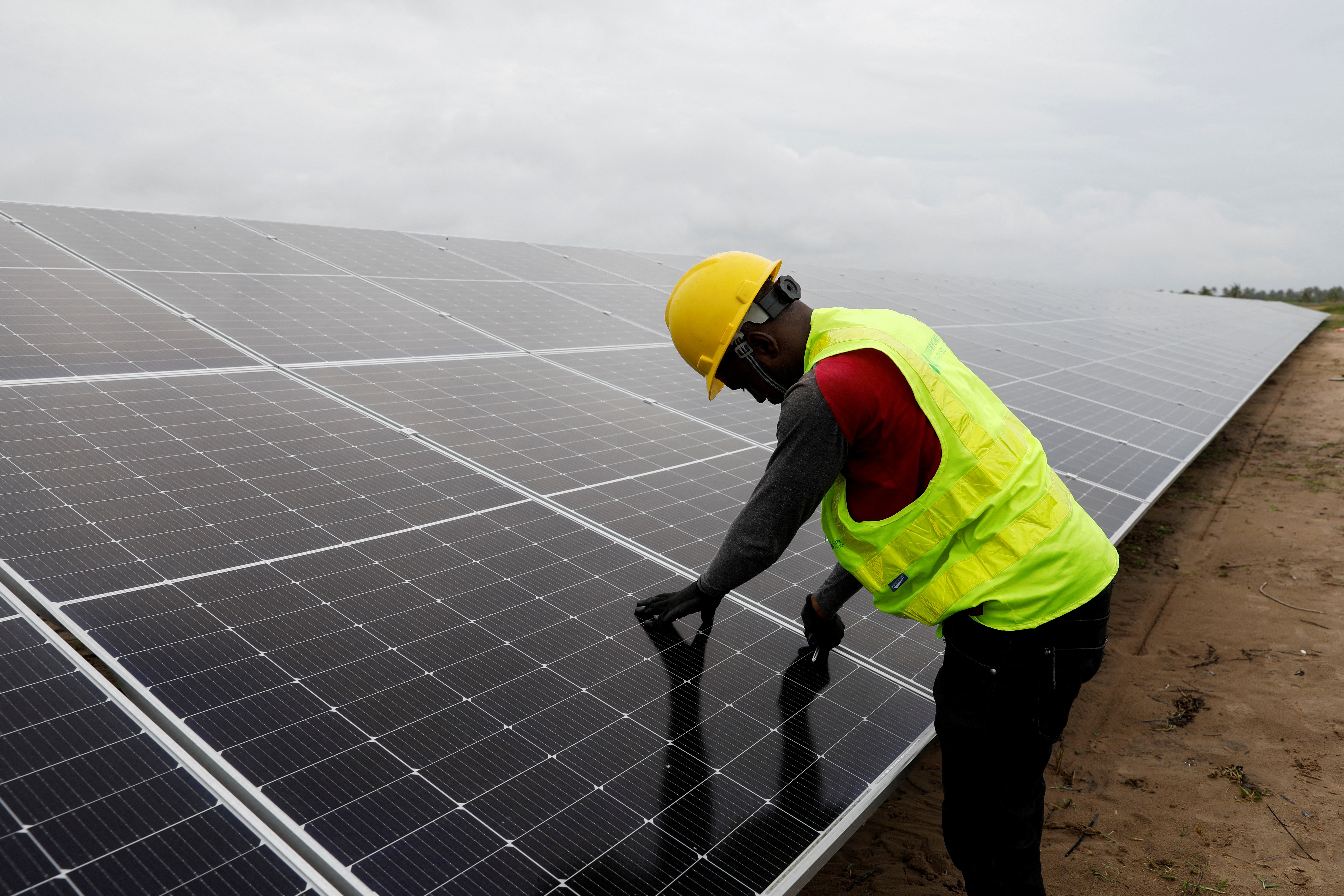
The Rural Electrification Agency (REA) says it is repositioning mini-grid electricity projects as commercially viable investments capable of attracting more private capital into Nigeria's power sector, reducing reliance on government funding and expanding access to electricity.
The agency said public funding should increasingly be used to lower investment risks rather than finance electricity projects directly, allowing private investors to play a larger role in expanding electricity supply.
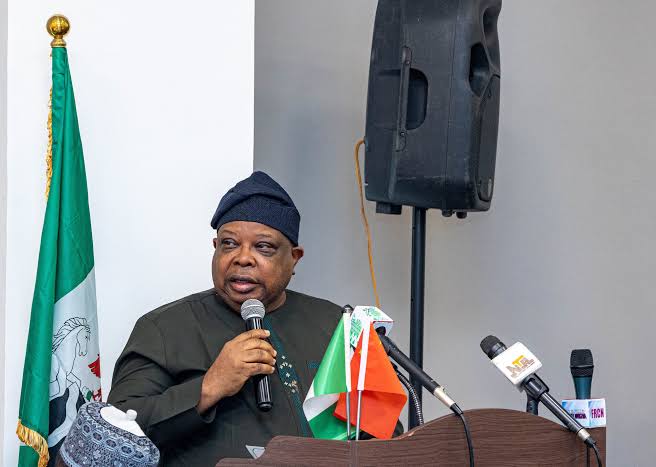
Managing Director of the REA, Abba Aliyu, outlined the strategy while delivering the keynote address at the inaugural Samuel Ibiyemi Memorial Lecture in Lagos.
His lecture, titled ''From Subsidy to Solvency: Can Mini-Grids De-risk Nigeria's Power Sector?,'' argued that mini-grids should no longer be viewed solely as rural electrification projects.
Nigeria has long struggled with inadequate electricity supply, forcing many homes and businesses to rely on generators and other alternative sources of power. REA believes mini-grids can serve both rural and urban communities while creating commercially viable opportunities for private investment.
Mini-grids move beyond rural electrification
Aliyu said mini-grids represent a different approach to delivering electricity because they are built around identifiable demand, digital revenue collection and lower technical and commercial losses.
"Too often, mini-grids are viewed only as rural electrification projects.
"In reality, they represent a new commercial model for electricity delivery. They are built around verified demand, utilise digital revenue collection, minimise losses, and provide investors with greater certainty over cash flows. In other words, they reduce investment risk."
He said Nigeria's electricity challenge extends beyond infrastructure to the way projects are financed.
According to Aliyu, electricity distribution companies continue to experience technical losses, while Nigerian businesses spend an estimated $14 billion every year generating their own electricity.
He said government support should focus on attracting private investment instead of sustaining inefficient parts of the electricity sector.
"The future of public financing should not be to subsidise inefficiency but to de-risk investment. Public resources should catalyse private capital, not replace it."
REA prepares larger rollout
Aliyu said the agency has deployed nearly 200 isolated mini-grids, creating more than 164,000 electricity connections across the country.
REA has also connected about 1.4 million households and businesses through stand-alone solar systems, helping to attract more than $1.2 billion in private sector financing commitments.
The agency now plans to expand mini-grid deployment into urban and peri-urban areas through partnerships with electricity distribution companies.
The proposed programme will develop 48 interconnected mini-grids capable of supplying about 288 megawatts of clean electricity generation and battery storage to existing distribution networks.
"This shows decentralised energy is not competing with the grid; it is strengthening it."
Aliyu said the agency wants government support to create an electricity market that can operate with less public funding over time.
Related Stories
Sign up for our newsletter.
Get the latest news, expert analysis, and industry insights delivered straight to your inbox. Join thousands of professionals shaping the future of energy.
By submitting my information, I agree to the Privacy Policy and Terms of Service.