Power
Eskom Reports Improved Grid Performance as Loadshedding Stays at Bay
Higher plant availability and lower diesel use point to operational gains, though challenges such as illegal connections and infrastructure strain persist.
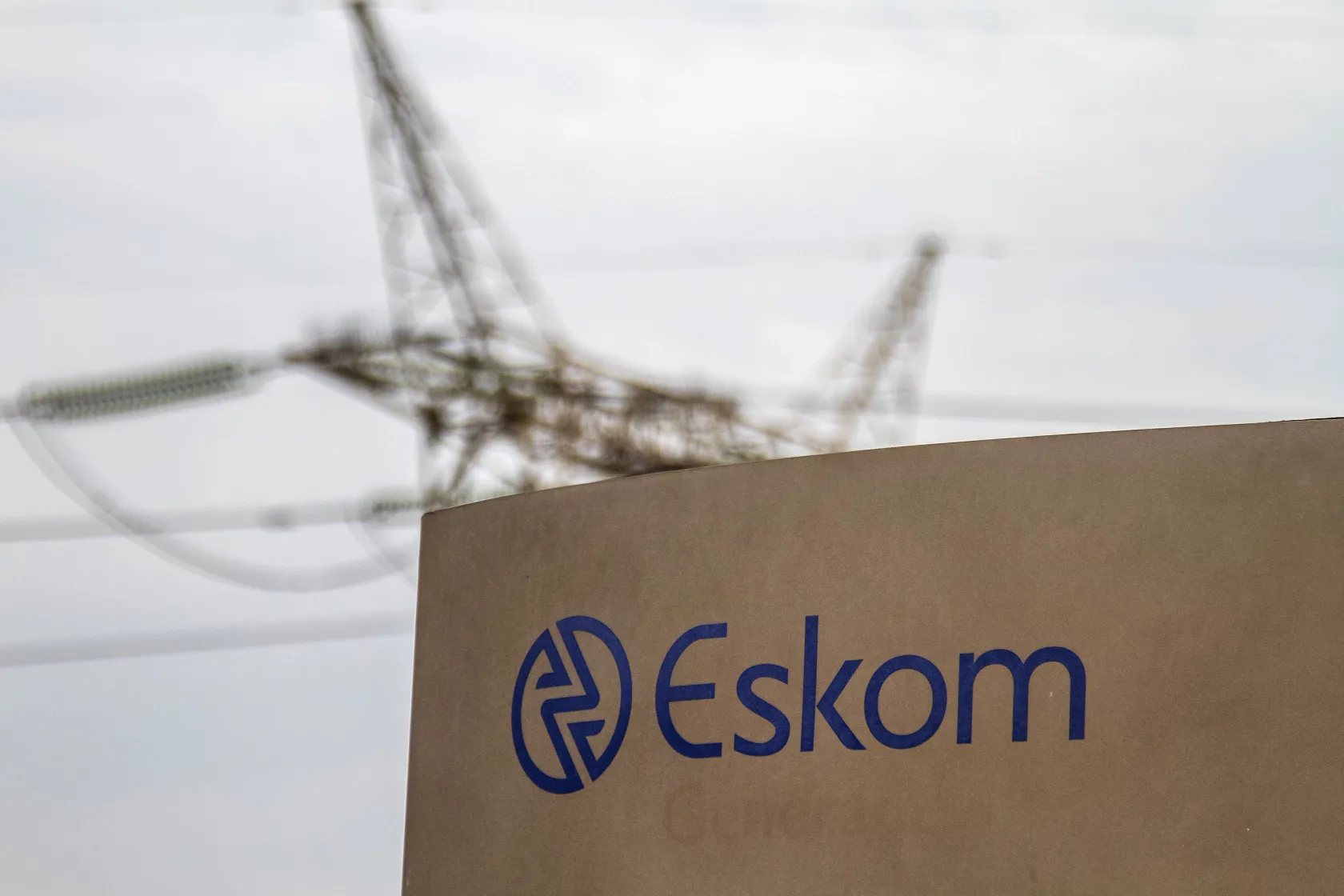
Eskom says South Africa’s power system is holding steady, supported by improved plant performance and reduced reliance on diesel generation.
In its latest system update, the utility reported that its Energy Availability Factor (EAF) has risen to 65.37% for the current financial year, reflecting a 10.8% improvement compared to two years ago. It added that the grid has now gone 315 consecutive days without major supply interruptions.
Eskom said the gains are tied to its Generation Recovery Plan, which has driven more consistent output from its fleet. “The power grid continues to demonstrate a sustained period of stability, with consistent improvements and strong operational performance,” the utility said.
Unplanned outages have also declined. Between March 20 and 26, breakdowns averaged 11,265MW, down from 14,122MW during the same period last year. The Unplanned Capacity Loss Factor dropped to 23.76%, underscoring improved reliability across generating units.
At the same time, diesel usage has fallen sharply. Eskom reported year-to-date diesel expenditure of about R10.1 billion, a 61% reduction compared to the previous year, reflecting lower dependence on open-cycle gas turbines.
The utility said available generation capacity continues to exceed demand, with a projected evening peak of 23,762MW against available capacity of 28,470MW, leaving a comfortable reserve margin.
Despite the improved outlook, Eskom flagged ongoing risks to the network, particularly from illegal connections and meter tampering. These practices, it said, continue to damage infrastructure and create safety hazards.
To address this, the utility is rolling out smart meters and plans to eliminate load reduction by 2027. So far, more than 500,000 smart meters have been installed nationwide, with a significant share targeted at high-risk areas.
Eskom said 210,453 customers have already been removed from load reduction programmes, though resistance in some communities has slowed further progress. Installation teams have faced disruptions, including safety threats, leading to delays in meter deployment.
The utility also highlighted broader efforts to modernise the grid, including integrating distributed energy resources and expanding access to Free Basic Electricity.
While Eskom projects a stable outlook through the end of March, analysts note that sustaining these gains will depend on continued operational discipline and addressing structural challenges in the power system.
Related Stories


Sign up for our newsletter.
Get the latest news, expert analysis, and industry insights delivered straight to your inbox. Join thousands of professionals shaping the future of energy.
By submitting my information, I agree to the Privacy Policy and Terms of Service.