Renewables
Nigeria Scales Solar Mini-Grids to Expand Rural Electricity Access
Nigeria is scaling solar mini-grids under a $750 million renewable energy programme to expand rural electricity access, support local manufacturing, and close the country’s power access gap.
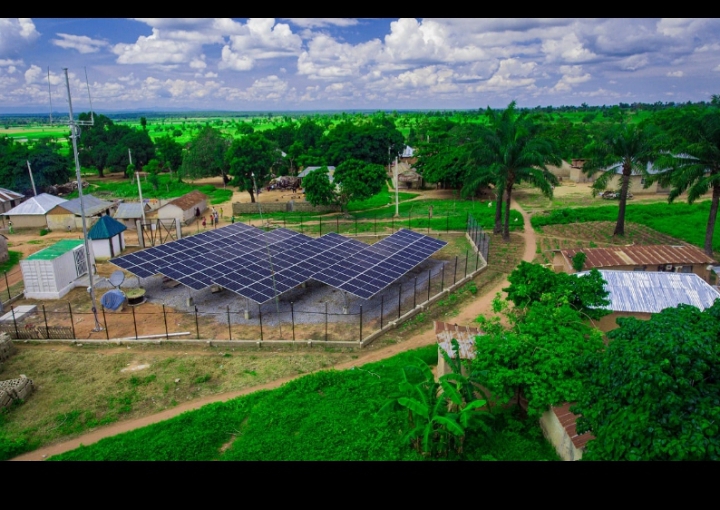
Nigeria is ramping up rural electrification through large-scale renewable energy deployment as it seeks to close the country’s electricity access gap, the country’s Rural Electrification Agency (REA) said.
Nigeria currently has the highest number of people without access to electricity globally, a challenge authorities say remains central to the country’s development agenda.
Speaking in Kano State, the Managing Director of REA, Abba Abubakar Aliyu, said the agency is prioritising renewable energy solutions to extend electricity to unserved and underserved communities nationwide.
“Our mandate is to close the electricity access gap by deploying decentralised renewable energy solutions that can reach communities the grid has not been able to serve,” Aliyu said.
According to him, a key intervention is the $750 million Distributed Access to Renewable Energy Scale-Up (DARES) project, which aims to provide electricity to 17.5 million Nigerians through the deployment of 1,350 mini-grids, including 250 interconnected systems. Implementation is underway, with more than 900 mini-grids currently being rolled out across the country.
Aliyu said the project is expected to add over 200 megawatts to national supply, largely through solar-based systems designed to support decentralised power access.
“These solar-based mini-grids are designed to deliver reliable power, support local economies and reduce dependence on diesel and other fossil fuels,” he said.
The agency has also accelerated local renewable energy manufacturing, with domestic solar production capacity increasing from about 120 megawatts to over 600 megawatts. More than three gigawatts of renewable energy projects are currently in the pipeline, the agency said.
Beyond households, REA is deploying renewable-powered mini-grids to agro-processing clusters under its Energising Agriculture Programme, aimed at reducing energy costs, improving productivity, and supporting food security.
Nigeria is estimated to require about $23 billion to achieve universal electricity access, driving continued engagement with international development partners and private investors to scale renewable energy deployment nationwide.
Related Stories
Sign up for our newsletter.
Get the latest news, expert analysis, and industry insights delivered straight to your inbox. Join thousands of professionals shaping the future of energy.
By submitting my information, I agree to the Privacy Policy and Terms of Service.