Climate & Sustainablity |Renewables
Nigeria Signs First Article 6 Authorisation with BURN to Enable Carbon Credit Sales
Nigeria has issued its first Article 6 Letter of Authorisation to clean cooking company BURN, unlocking millions of carbon credits and signalling the country’s entry into global carbon markets.
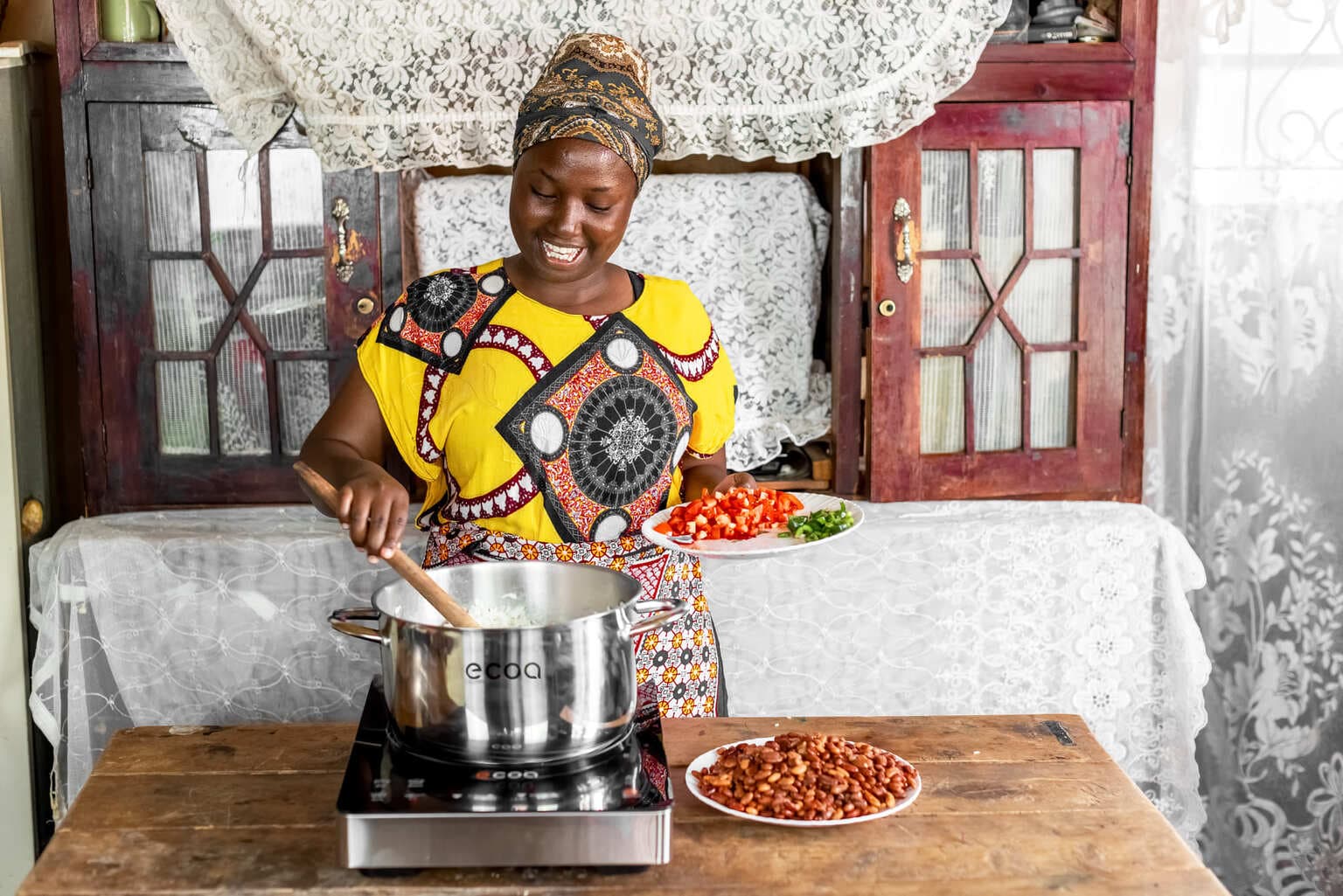
Nigeria has issued its first Letter of Authorisation to clean cooking company BURN under Article 6 of the Paris Agreement, enabling the generation and international transfer of carbon credits from clean cooking activities in the country.
In a statement by BURN, the authorisation, signed by the National Council on Climate Change (NCCC), allows the company and its partners, including Key Carbon, to sell carbon credits through the global aviation offsetting scheme known as the Carbon Offsetting and Reduction Scheme for International Aviation (CORSIA).
The approval permits the generation and transfer of 5.2 million carbon credits linked to the distribution of fuel-efficient cooking stoves across Nigeria. The project aims to reduce greenhouse gas emissions while delivering health, economic and environmental benefits for households.
The Letter of Authorisation confirms that emission reductions from the project are recognised by the Nigerian government and approved for international transfer under Article 6 of the Paris Agreement. The framework is designed to ensure alignment with Nigeria’s climate commitments while preventing double counting of emissions reductions.
The move forms part of broader efforts by Nigeria to build a national carbon market ecosystem. Nigerian authorities have already launched the Nigeria Carbon Market Activation Policy and approved a national carbon market framework intended to attract climate investment and strengthen green manufacturing.
Clean cooking remains a major challenge in Nigeria, where about 80 per cent of households still rely on traditional biomass fuels such as firewood and charcoal. The widespread use of these fuels contributes to deforestation, indoor air pollution and greenhouse gas emissions.
Through a carbon-financed model, the project supports the distribution of efficient cooking appliances, including LPG and biomass stoves designed to reduce fuel consumption, lower household energy costs and improve health outcomes.
Director-General of the National Council on Climate Change, Omotenioye Majekodunmi, said the authorisation showcases Nigeria’s commitment to building a credible carbon market capable of delivering development benefits.
“Nigeria is committed to building a transparent and high-integrity carbon market that channels climate finance into real development outcomes for our people. The issuance of this Letter of Authorization reflects the continued implementation of Nigeria’s carbon market framework and our readiness to participate responsibly in international carbon markets,” Majekodunmi said.
Meanwhile, Founder and Chief Executive Officer of BURN, Peter Scott, described the approval as a milestone for expanding access to clean cooking solutions across the country.
“This Letter of Authorization from the Government of Nigeria marks a significant step forward in our mission to expand access to clean cooking solutions for households across Nigeria,” Scott said.
According to BURN, the approval is the first authorisation of its kind in Nigeria, signalling the country’s plans to participate more actively in international carbon markets and attract climate finance.
Since entering the Nigerian market, BURN and its partners have invested more than $9.6 million in the country, including building a clean stove assembly facility in Kano that produces about 40,000 appliances each month.
Related Stories

Sign up for our newsletter.
Get the latest news, expert analysis, and industry insights delivered straight to your inbox. Join thousands of professionals shaping the future of energy.
By submitting my information, I agree to the Privacy Policy and Terms of Service.