Oil & Gas
Nigeria’s Gas Wealth Still Fails to Meet Energy Needs, Report Says
Nigeria's domestic gas market is showing signs of growth under recent reforms, but structural challenges continue to limit the sector's ability to meet the country's energy needs.

Nigeria continues to experience inadequate domestic energy supply despite holding more than 206 trillion cubic feet of proven natural gas reserves, as infrastructure gaps and implementation challenges limit the country’s ability to fully harness its vast gas resources, a new industry report has revealed.
The report, released by Lagos-based law firm Tope Adebayo LP, examined the impact of recent reforms in Nigeria’s oil and gas sector and found that while regulatory changes have improved investor confidence and created a stronger foundation for gas development, significant barriers still prevent the domestic market from reaching its full potential.
Based on the report titled “From Policy to Practice: Legal and Regulatory Drivers of Nigeria’s Domestic Gas Market Under the PIA and Recent Executive Orders”, Nigeria has historically faced the problem of converting its enormous gas reserves into sufficient energy for local consumption. This challenge has been attributed to years of underinvestment, inadequate infrastructure and persistent gas flaring.
The findings come as the country continues to seek solutions to energy shortages affecting homes, businesses and industries. Despite being one of Africa’s largest gas reserve holders, Nigeria has often faced difficulties ensuring adequate domestic gas supply for electricity generation and industrial use.
The report noted that reforms introduced through the Petroleum Industry Act (PIA) have begun to produce measurable results. Domestic gas sales rose from 49.3 billion standard cubic feet in January 2022 to 64.2 billion standard cubic feet by January 2025, indicating growing activity within the sector.
As maintained by the firm, the PIA has provided the most comprehensive overhaul of Nigeria’s petroleum industry in decades. The legislation introduced pricing reforms, investment incentives and stronger regulatory oversight aimed at encouraging greater gas development and utilisation.
A significant aspect of the reforms is the establishment of separate regulatory agencies for upstream operations and midstream and downstream activities. The report stated that this arrangement has improved oversight and reduced bureaucratic delays that previously slowed investment and project execution.
The Domestic Gas Delivery Obligation framework was also highlighted as an important policy measure. The framework is designed to increase gas supply to critical sectors such as electricity generation and manufacturing. It includes penalties for operators that fail to meet their supply obligations.
In addition, recent executive orders and presidential directives have introduced tax incentives, reduced contracting timelines and provided greater flexibility in implementing local content requirements. The report said these measures have helped strengthen the investment climate and improve the attractiveness of Nigeria’s gas sector.
However, the firm cautioned that policy reforms alone cannot solve the country’s energy challenges. It identified inadequate infrastructure, payment risks in the power sector, legacy debts and weaknesses in policy implementation as major obstacles to large scale growth.
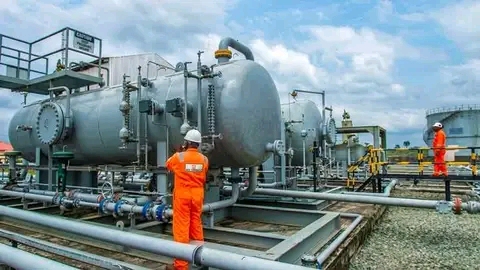
The report stressed that unlocking the full value of Nigeria’s gas reserves will require sustained investment in pipelines, gas processing facilities, transportation systems and distribution networks. It also called for stronger institutional coordination and more consistent enforcement of regulations.
While recent reforms have created momentum for growth, it is believed that translating Nigeria’s vast gas wealth into reliable domestic energy supply will depend on addressing longstanding infrastructure and implementation deficits that continue to hold back the sector.
Related Stories


Sign up for our newsletter.
Get the latest news, expert analysis, and industry insights delivered straight to your inbox. Join thousands of professionals shaping the future of energy.
By submitting my information, I agree to the Privacy Policy and Terms of Service.