Power
Nuclear Energy, Key to Africa’s Net-Zero and Power Security Goals - AEC
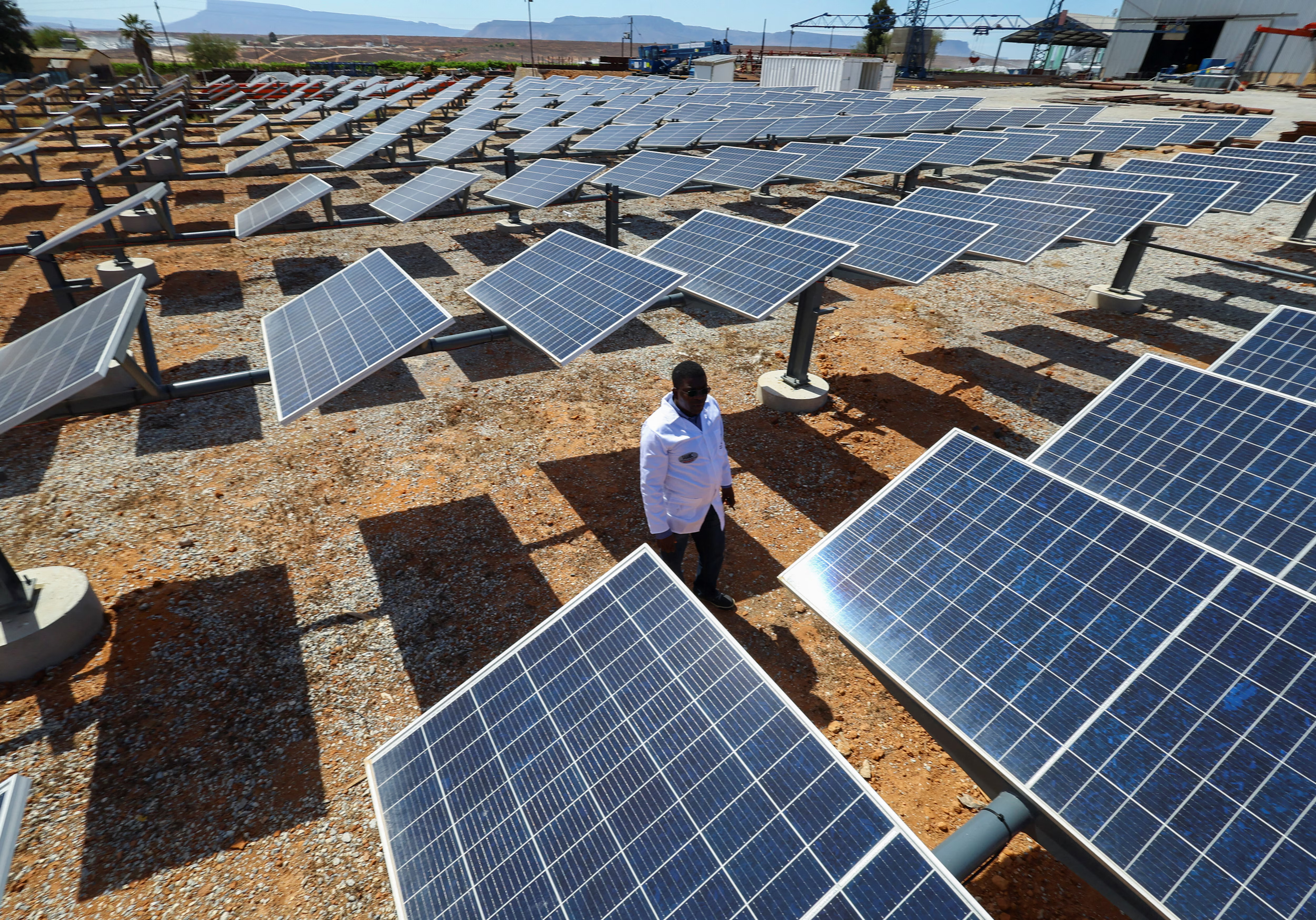
While renewable energy sources such as solar and wind are expanding, their intermittent nature requires major investments in storage and grid upgrades.
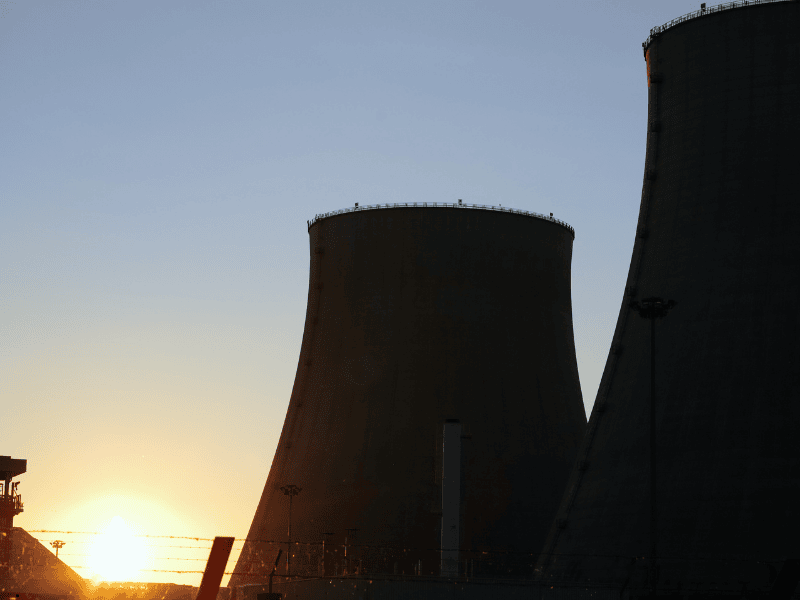
Nuclear power is increasingly being viewed as a potential pathway for Africa to achieve net-zero emissions while maintaining reliable electricity and economic growth.
Across much of the continent, the immediate energy challenge goes beyond decarbonisation. Many countries are still focused on building power systems capable of supporting industrial expansion, urban growth and broader electricity access. For African economies, the task is not just replacing existing energy sources but adding large volumes of stable, low-carbon power without slowing development.
The African Energy Chamber notes that Africa contributes less than 4% of global greenhouse gas emissions, yet faces mounting pressure to decarbonise while expanding energy infrastructure. More than 600 million Africans still lack reliable electricity, highlighting the scale of the continent’s power deficit.
While renewable energy sources such as solar and wind are expanding, their intermittent nature requires major investments in storage and grid upgrades. As a result, many analysts say a fully renewable system remains difficult to achieve in the short term for several African economies.
Against this backdrop, nuclear energy is being considered as a reliable baseload power option. Unlike solar or wind, nuclear plants operate continuously and produce large amounts of electricity without direct carbon emissions, making them suitable for industrial economies.
Several African countries have already begun pursuing nuclear projects. In Egypt, construction is underway on the El Dabaa Nuclear Power Plant, a $30 billion project being built with Rosatom. The facility will include four reactors with a combined capacity of 4.8 gigawatts, expected to supply about 10% of Egypt’s electricity once completed.
In South Africa, nuclear power already contributes to the grid through the Koeberg Nuclear Power Station, Africa’s only commercial nuclear plant. The two-reactor facility generates around 1,860 megawatts of baseload electricity. In 2025, regulators approved a 20-year operating licence extension for one of the reactors, allowing it to run until 2045 following upgrades and safety improvements.
Other countries are also exploring nuclear technology. Senegal has incorporated nuclear development into its Vision Senegal 2050 plan and is considering small modular reactors (SMRs) to supply stable, low-carbon electricity for industry and communities.
Interest in nuclear energy is also emerging in countries such as Ghana, Namibia and Niger, while continental cooperation is expanding. In early 2026, the African Union, the African Commission on Nuclear Energy and the OECD Nuclear Energy Agency signed an agreement to strengthen technical collaboration and regulatory capacity for the peaceful development of nuclear energy in Africa.
Energy experts increasingly argue that Africa’s transition will likely depend on a diversified energy mix rather than a single technology. Combining nuclear power, natural gas and renewable energy could help countries expand electricity access, stabilise power grids and support industrial development.
Related Stories
Sign up for our newsletter.
Get the latest news, expert analysis, and industry insights delivered straight to your inbox. Join thousands of professionals shaping the future of energy.
By submitting my information, I agree to the Privacy Policy and Terms of Service.