Power
Nigeria Misses 25,000MW Power Target as Siemens-Backed PPI Ends Below 7,000MW
Nigeria’s five-year €2.3 billion Presidential Power Initiative falls short of electricity targets, generating just 5,000MW for a country of over 200 million people.
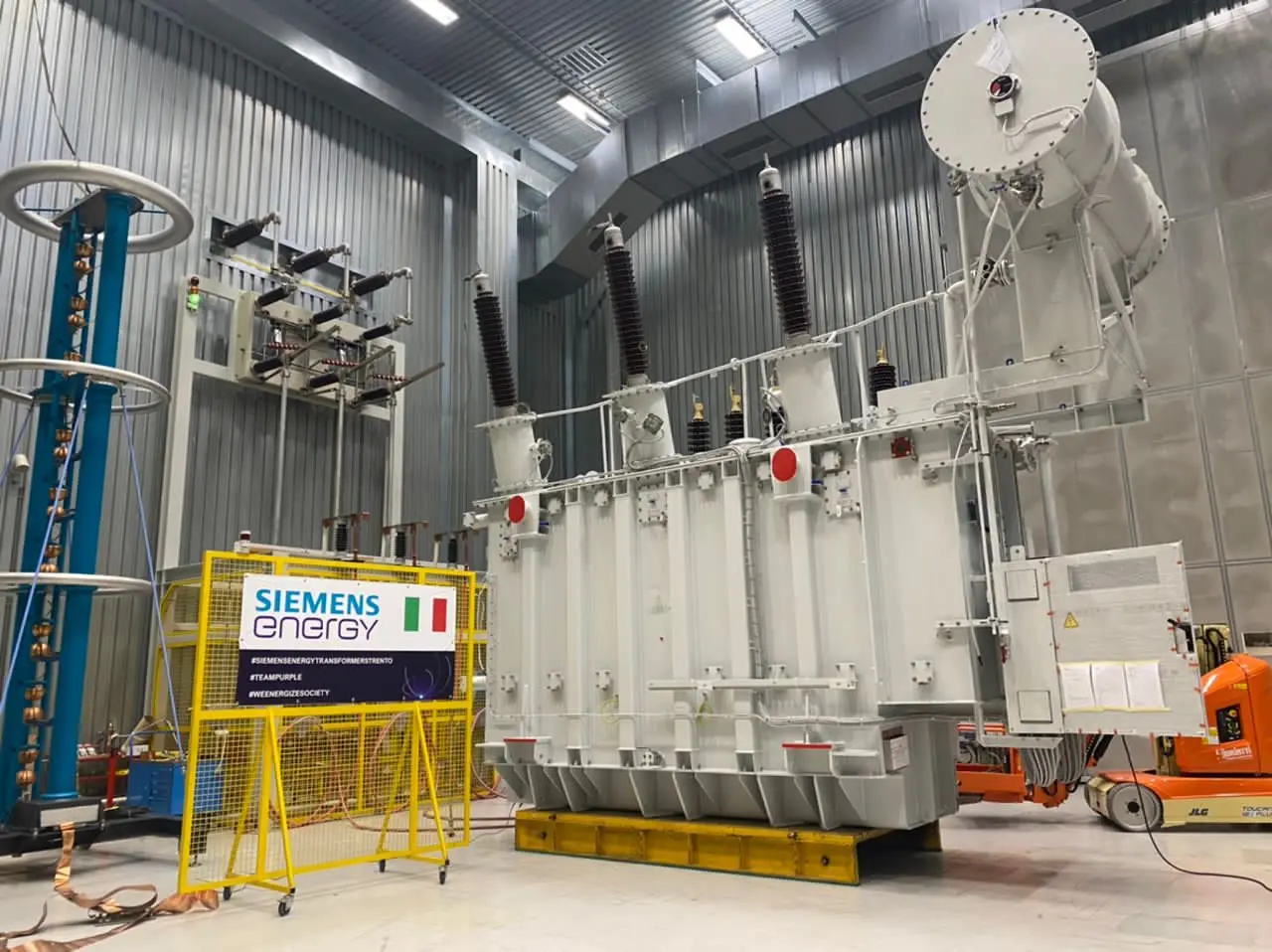
The €2.3 billion Presidential Power Initiative (PPI), driven by FGN Power and executed by Siemens of Germany, set out an ambitious roadmap to transform Nigeria’s electricity sector and ramp up power output to 25,000 megawatts (MW) by 2025.
Under the plan, the Federal Government outlined a phased strategy to strengthen generation, transmission and distribution capacity across the country. The roadmap targeted an initial increase to 7,000MW by 2021, 11,000MW by 2023, and ultimately 25,000MW by 2025.
However, the five-year project has now formally ended with the targets largely unmet, as electricity generation failed to reach even 7,000MW.
Latest data obtained from the Nigerian Independent System Operator (NISO), the agency responsible for promoting an efficient and reliable electricity transmission and market operations framework, showed that the country still struggles to generate around 5,000MW, transmit slightly above 4,000MW and distribute about 3,000MW of power to a population of more than 200 million people.
Industry operators attributed the failure of the project to persistent structural challenges within the power sector, including weak infrastructure, high technical and commercial losses, low metering penetration and severe liquidity constraints across the electricity value chain.
They noted that although Nigeria’s installed generation capacity is often estimated at more than 12,000MW, the amount of power actually available and dispatched to the grid remains limited due to gas supply shortages, grid instability and weak distribution networks.
Responding to concerns about the slow pace of progress, FGN Power said securing financing arrangements was a critical milestone that enabled the commencement of the project and sustained implementation activities.
Meanwhile, the Centre for the Promotion of Private Enterprise (CPPE) warned that Nigeria’s economic ambitions would remain constrained without significant improvement in electricity supply.
“Productivity and industrialisation are strongly correlated with the power situation in any country. It is difficult to achieve high levels of productivity and, more importantly, industrialisation without adequate power supply,” the group said.
“Therefore, no matter how well we perform in other areas, if we are still grappling with power problems, economic growth and job creation will remain subdued.”
In a related development, President Bola Tinubu has constituted an 11-member committee to incorporate the proposed Grid Assets Management Company (GAMCO) following approval by the Federal Executive Council.
The proposed company is expected to accelerate solutions to long-standing challenges of stranded power, grid management and transmission constraints in the electricity sector.
Inaugurating the committee, the Chief of Staff to the President, Femi Gbajabiamila, said the initiative represented one of the administration’s major reforms aimed at stabilising the power sector.
According to him, the committee will conduct a comprehensive review of existing laws, regulations, policies and institutional frameworks governing electricity generation, transmission, distribution and market operations.
He added that the panel would also examine the implications of the Electricity Act 2023 and ongoing restructuring within the sector on asset ownership, management and regulatory oversight.
The committee will further identify possible areas of conflict, overlap or inconsistency between the proposed GAMCO framework and existing legal and regulatory instruments.
Gbajabiamila said the panel would also review the legal status, ownership structure and contractual obligations of the Niger Delta Power Holding Company and National Integrated Power Project assets, including the Omotosho, Olorunsogo and Ihovbor power plants, which are proposed for the pilot phase of GAMCO.
In addition, the committee will evaluate the interface between GAMCO’s proposed mandate and the statutory responsibilities of existing institutions within the power sector.
He said the pilot phase is expected to unlock stranded power from the three selected NIPP plants while developing a parallel high-capacity transmission corridor along the Benin–Lagos axis.
Gbajabiamila noted that significant federal government investments in NIPP generation assets remain under-utilised due to operational inefficiencies and transmission evacuation bottlenecks, resulting in stranded capacity and sub-optimal returns on public capital.
“The objective is to translate these underperforming national assets into reliably delivered megawatts,” he said, adding that the pilot phase could later be expanded into a broader model for long-term grid stabilisation and expansion across the country.
Related Stories
Sign up for our newsletter.
Get the latest news, expert analysis, and industry insights delivered straight to your inbox. Join thousands of professionals shaping the future of energy.
By submitting my information, I agree to the Privacy Policy and Terms of Service.