Renewables |Power
Ghana to Deploy 55,000 Solar Systems to Cut Grid Pressure
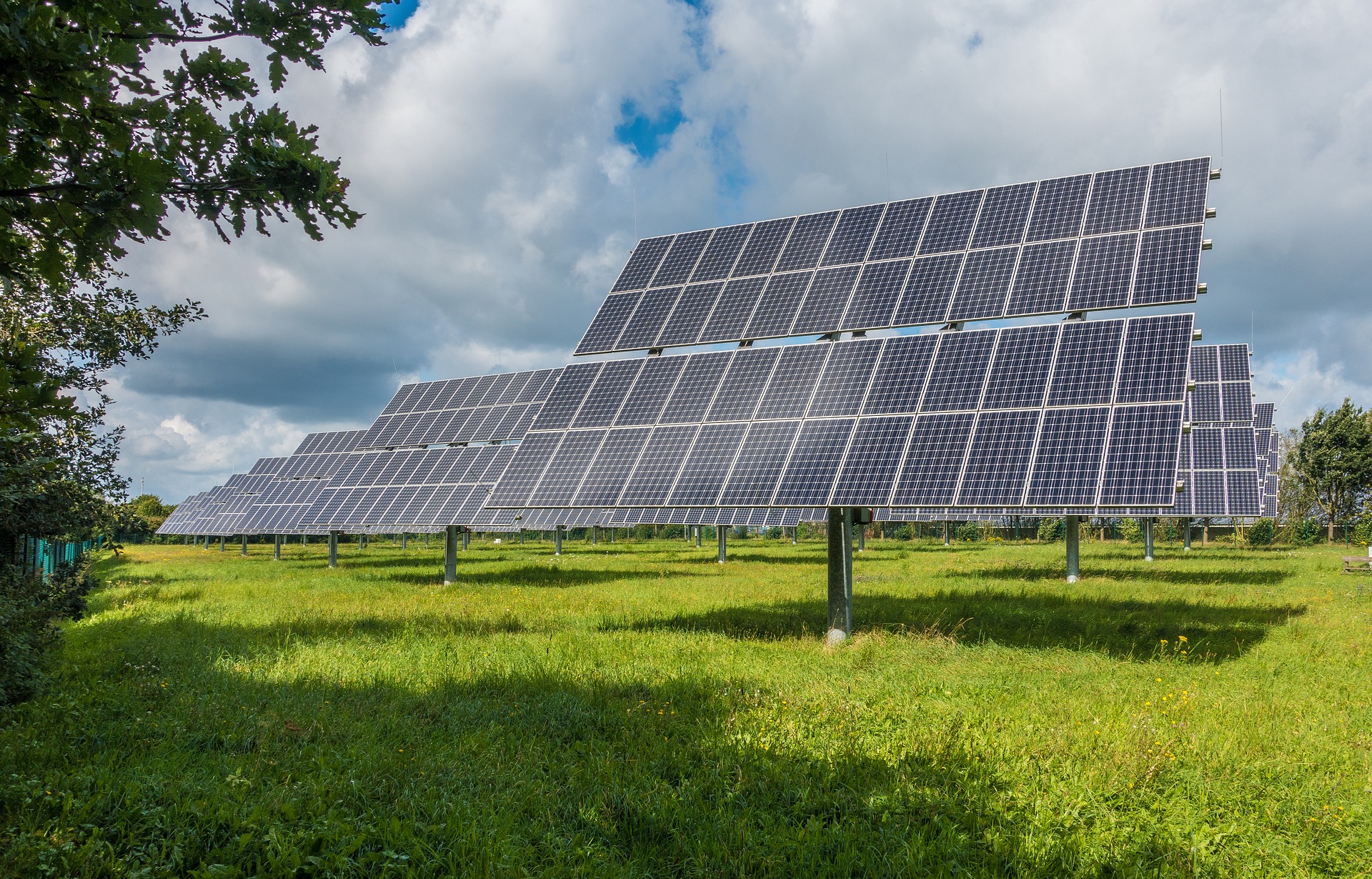
Ghana plans to install 55,000 solar systems in public institutions to reduce pressure on the national grid, improve electricity reliability and expand renewable energy use nationwide.
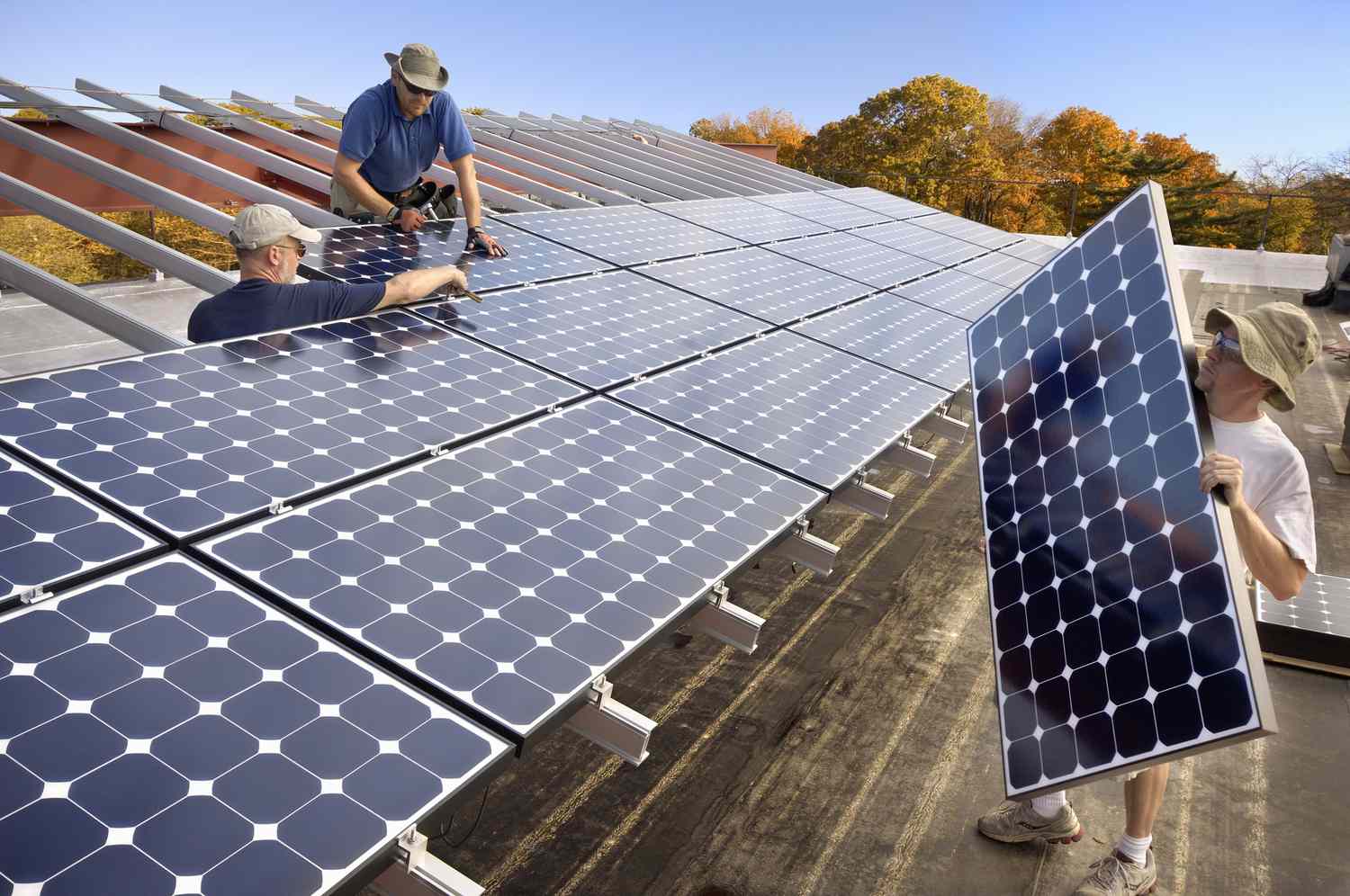
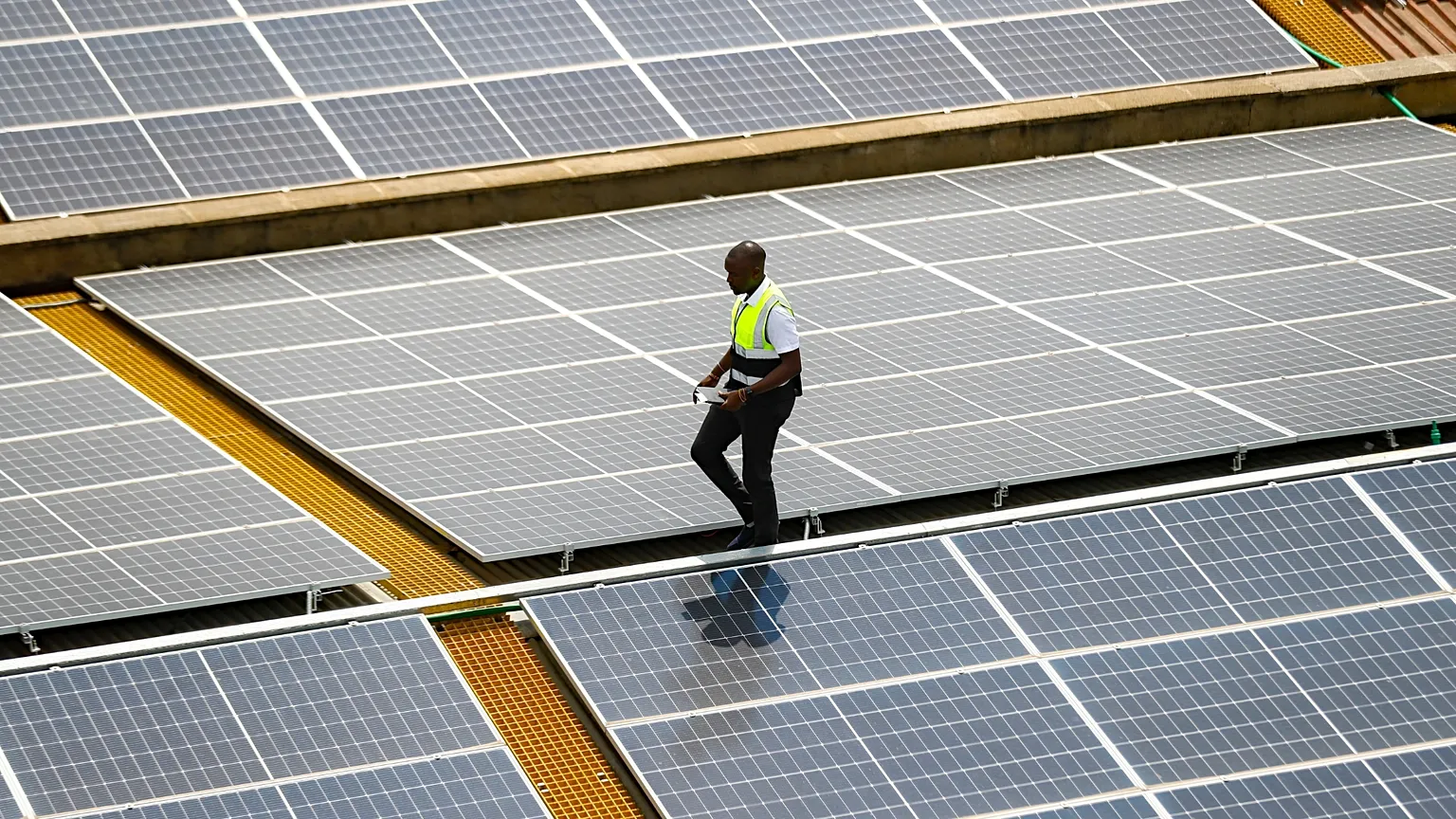
Ghana will begin deploying 55,000 solar home systems to selected public institutions from next month as part of efforts to reduce pressure on the national electricity grid, improve power reliability and expand the use of renewable energy across the country.
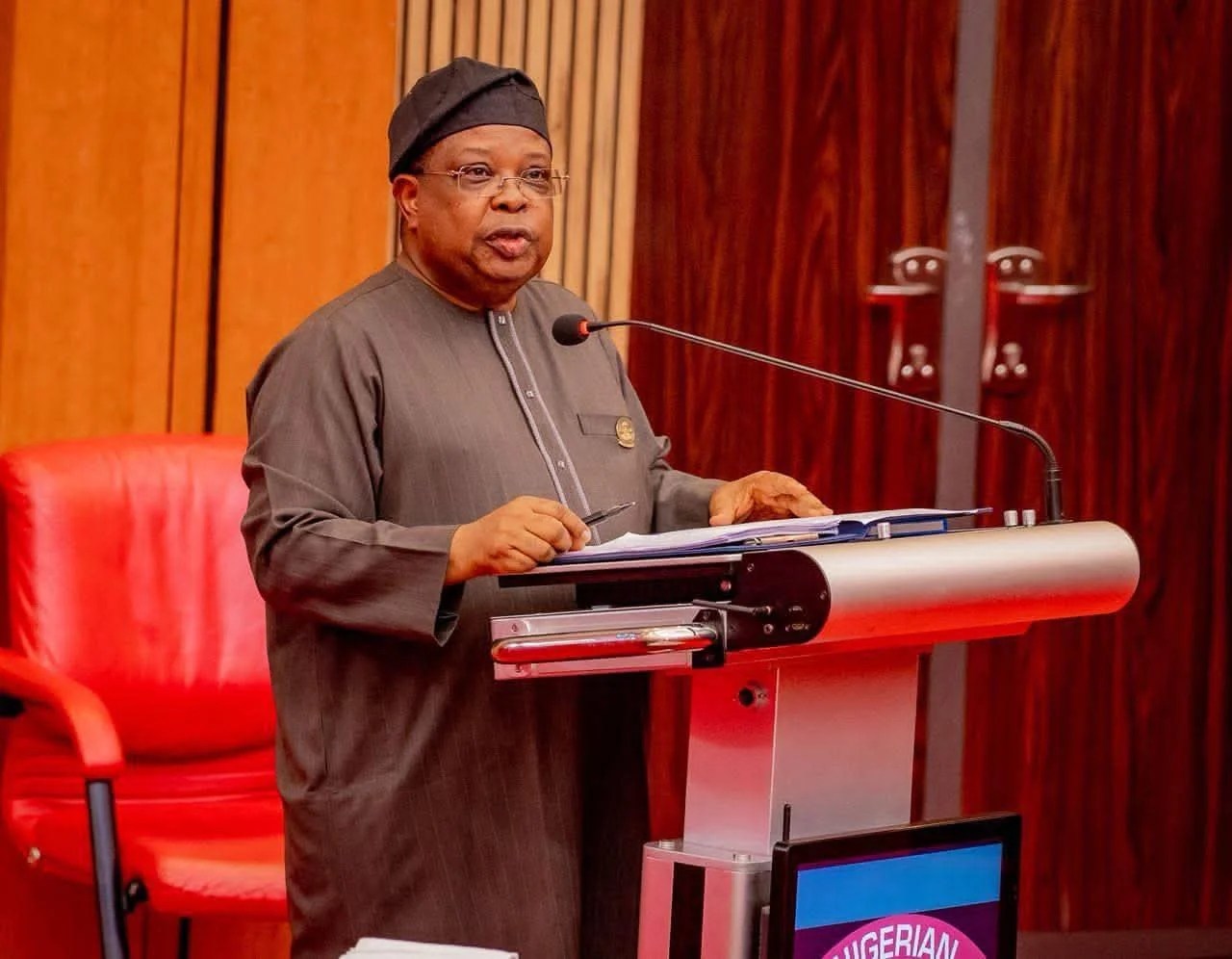
Minister for Energy and Green Transition, Dr John Abdulai Jinapor, announced the initiative at the seventh Ghana International Petroleum Conference (GHiPCON) in Accra, describing it as part of the government's broader plan to strengthen energy security while accelerating the country's shift to cleaner sources of electricity.
The solar systems will be installed in selected government institutions, enabling them to generate a significant share of their own electricity instead of depending entirely on the national grid. The government expects the move to free up more electricity for homes and businesses while easing pressure on the country's power infrastructure.
Jinapor noted that electricity demand in Ghana continues to rise as the population grows, cities expand and industries consume more power. He explained that increasing the use of renewable energy is one of the country's long-term strategies for meeting this demand while reducing dependence on conventional power generation.
Renewable energy takes a bigger role
The latest programme builds on Ghana's efforts to expand solar energy through mini-grids, rooftop installations and other off-grid projects aimed at improving electricity access and lowering carbon emissions.
In recent years, Ghana has stepped up investments in renewable energy to diversify its electricity mix, reduce the risk of power shortages and meet its climate commitments. The country has also introduced policies to encourage greater private-sector participation in solar and other clean energy projects as demand for electricity continues to grow.
Installing solar systems in public institutions will reduce electricity bills for government facilities while easing pressure on the national grid. That would leave more grid power available for homes and businesses, improve the reliability of electricity supply and reduce the burden on ageing infrastructure.
The programme also supports Ghana's broader plan to diversify its energy mix, strengthen energy security and reduce dependence on fossil fuels. If successfully implemented, it could serve as a practical model for other African countries looking to use decentralised renewable energy to improve public services and expand access to clean electricity.
The announcement comes as Ghana continues to pursue a balanced energy strategy, expanding investment in renewable energy while maintaining its petroleum sector. The government sees solar power as an important part of building a more reliable electricity system, improving energy security and supporting sustainable economic growth.
Related Stories
Sign up for our newsletter.
Get the latest news, expert analysis, and industry insights delivered straight to your inbox. Join thousands of professionals shaping the future of energy.
By submitting my information, I agree to the Privacy Policy and Terms of Service.