Power
Power Repairs Yet to End Electricity Shortfalls for Many Nigerians
The Federal Government has restored a 375MW power plant, worked on transmission capacity and deployed more than 350,000 meters, but many consumers still lack reliable electricity.
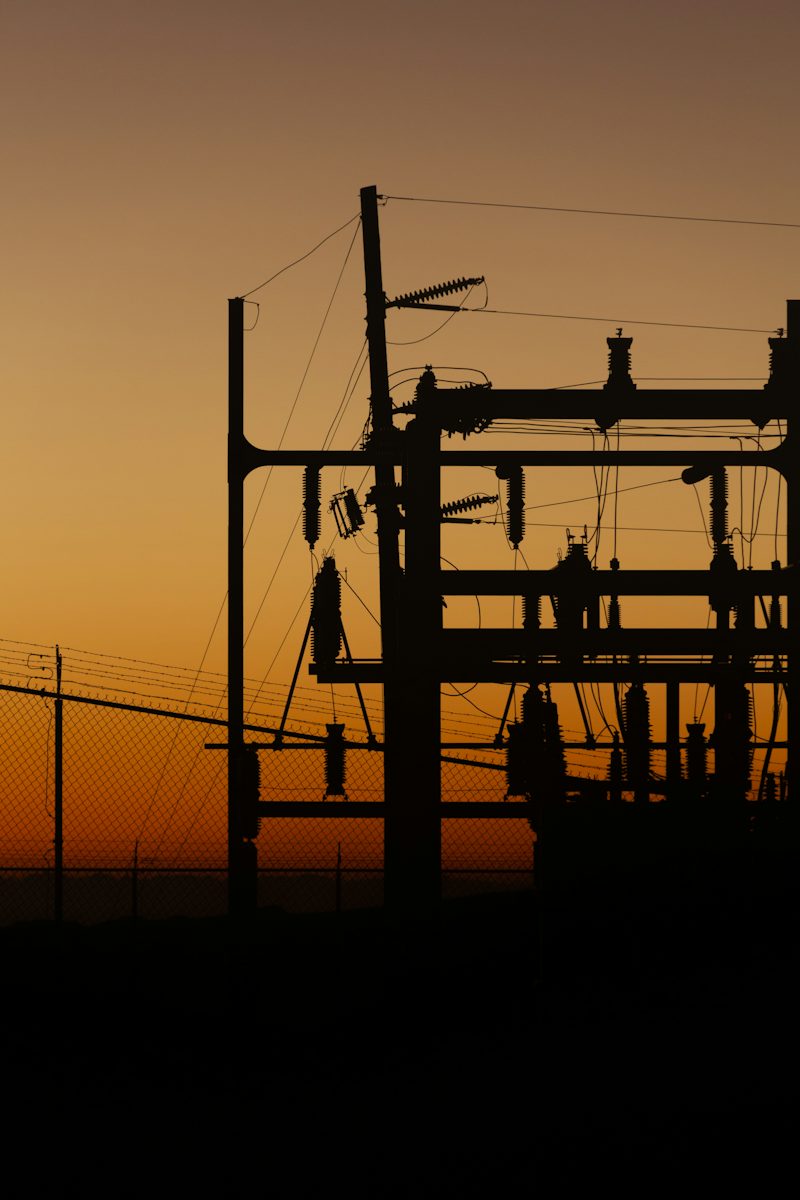
Three months into Joseph Tegbe’s tenure as Power Minister, work on some of Nigeria’s major electricity problems has not yet translated into dependable supply for many consumers.
Tegbe said the period had been spent examining problems in generation, transmission and distribution, with interventions made in each area.
The government restored the 375-megawatt Alaoji power plant in Abia State after it had stayed offline for three years. Work was also carried out to unlock transmission capacity in Lagos, Abuja and other parts of the country.
More than 350,000 electricity meters have also been deployed after a legal dispute involving the Association of Nigerian Electricity Distributors and manufacturers was resolved.
Yet the minister acknowledged that many Nigerians had not experienced reliable power from the work done so far.
“Admittedly, many Nigerians are still without reliable power, and I understand the frustration of hearing about progress you haven't personally felt yet. I'm not going to pretend that away,” Tegbe said in a post on his X handle on Tuesday.
Generation, grid and billing
Tegbe said much of the work during his first three months had involved identifying and repairing problems that have affected the electricity sector for years.
“We spent much of this period on diagnosis and repair; restoring the 375MW Alaoji plant after three years offline, unlocking transmission capacity in Lagos, Abuja and other places, mobilising funds toward a debt burden that has quietly undermined this sector for years,” he said.
The minister also identified the sector’s debt burden as an issue for which funds were being mobilised.
Alongside generation and transmission work, the government has been working on electricity metering. More than 350,000 meters have been deployed since the legal dispute involving electricity distributors and manufacturers was resolved.
Tegbe said the government was committed to improving billing accuracy as part of its work in the sector.
He also said officials were working to make it easier for electricity consumers to have their complaints resolved quickly.
Grid stability and more reliable electricity supply were also listed among the government’s objectives.
The minister, however, said Nigerians should not expect an immediate solution to the sector’s problems.
He said reforming the power sector would require time and sustained work, adding that he would not make promises of quick solutions that could not be maintained.
The government is also not planning an electricity tariff increase, Tegbe said.
“To be clear: there's no plan to raise tariffs, and this is no political statement,” he said.
The tariff position comes as the government works on several parts of the electricity system, from power generation to transmission and metering.
Tegbe also thanked power-sector officials working under difficult conditions and Nigerians who have continued to raise issues about electricity supply.
His comments acknowledged a gap between the work being carried out within the sector and the experience of many electricity users.
The restored Alaoji plant, transmission work in Lagos and Abuja, and the deployment of more than 350,000 meters are among the developments recorded during the period.
But the minister said the work had not yet produced reliable electricity for many Nigerians.
Tegbe said, “We're not there yet, but we're moving."
Related Stories
Sign up for our newsletter.
Get the latest news, expert analysis, and industry insights delivered straight to your inbox. Join thousands of professionals shaping the future of energy.
By submitting my information, I agree to the Privacy Policy and Terms of Service.