Power
Rwanda Sets 2030–2033 Window For First Nuclear Power
Rwanda is processing approvals for two nuclear plant sites as it develops hydropower, methane gas and solar projects, alongside 381 kilometres of new electricity networks and 13 substations.
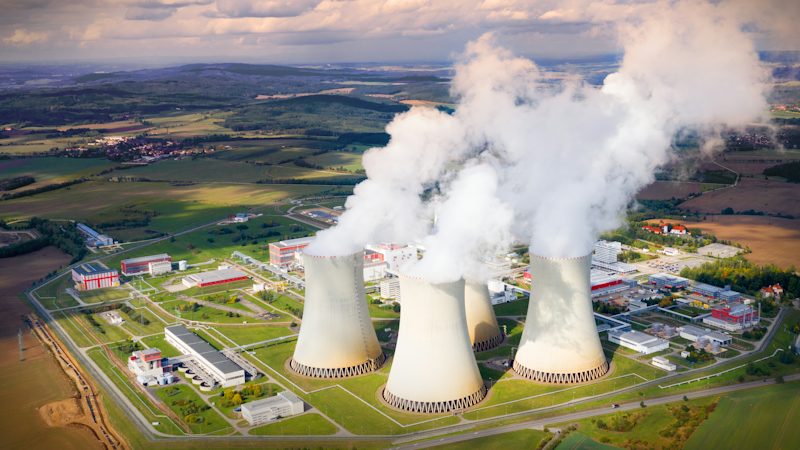
Rwanda expects its first nuclear power generation to begin between 2030 and 2033, with the government working to establish two sites for nuclear plants.
Infrastructure Minister Damien Murwanashyaka gave the timeline on Tuesday, during an appearance before the Senate Committee on Economy and Finance. The session focused on government plans to expand electricity generation and access.
Murwanashyaka said work was still being done to secure international approvals and confirm the sites where the nuclear plants will be built.
“So far, we are working on the approval of the two sites where the plants will be established and on the progress being made. Between 2030 and 2033, we expect to start generating 110MW from nuclear energy,” he said.
The nuclear project is part of a much larger power expansion programme, with Rwanda planning to add 523MW from hydropower, methane gas and solar energy over the remaining three years of the second National Strategy for Transformation, known as NST2.
523MW planned before nuclear power
Hydropower is expected to provide about 300MW of the planned 523MW addition, including generation supported by batteries. Methane gas is expected to provide another 165MW, with solar power supplying the rest.
The figures show that most of the planned additional electricity before the nuclear timeline will come from sources already included in Rwanda’s power plans.
The government is also building 381 kilometres of new electricity networks and 13 substations to support electricity access and distribution.
The infrastructure work was discussed during the Senate committee’s review of the country’s electricity plans. Committee chairperson Fulgence Nsengiyumva said members had visited electricity users and project sites.
The visits were used to examine government planning, electricity capacity, off-grid power projects and the contribution of private companies to electricity access.
Some of the hydropower projects already under development are expected to deliver power before the nuclear plants begin generation.
The 43.5MW Nyabarongo II Hydropower Project is 75 per cent complete and is expected to be finished by the end of next year.
Rukarara hydropower project and Muvumba Multipurpose Dam are also expected to be completed next year.
The projects give Rwanda several power developments with different completion timelines. Hydropower, methane gas and solar additions are planned within the remaining three years of NST2, while the first nuclear generation has been placed within the 2030–2033 period.
Murwanashyaka’s announcement also puts the approval of the two nuclear plant sites among the work still being handled before nuclear generation can begin.
Related Stories

Sign up for our newsletter.
Get the latest news, expert analysis, and industry insights delivered straight to your inbox. Join thousands of professionals shaping the future of energy.
By submitting my information, I agree to the Privacy Policy and Terms of Service.