Power
Rwanda Drafts Nuclear Safety Laws Ahead of 2030 Power Launch
The East African country establishes radiation tracking systems, emergency protocols, and waste management policies to protect citizens before launching its first 110-megawatt plant.
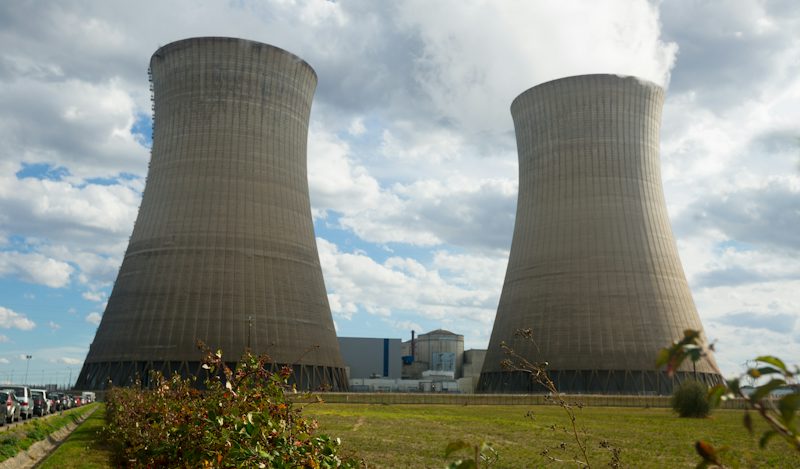
A nationwide network of radiation sensors and clear disaster plans will soon be active in Rwanda as state authorities set up safety rules for their initial 110-megawatt atomic energy facility.
The government plans to bring the power facility online between 2030 and 2033. Authorities are currently evaluating two potential locations for the project.
Two government groups share the main duties for this transition. The Rwanda Utilities Regulatory Authority handles facility licensing, routine inspections, and legal enforcement.
Working alongside the regulator, the Rwanda Atomic Energy Board manages the overall execution of the nuclear energy project and embeds safety requirements into every stage of development.
These safety standards will apply throughout the entire life of the atomic facilities, spanning site selection, plant design, construction, testing, daily operations, and final plant shutdown.
Radiation tracking and emergency tests
To handle unexpected accidents, the ministry in charge of emergency management created a clear plan to protect citizens, workers, and natural habitats during potential radiation incidents.
State agencies will run a full simulation exercise early next year to test how fast public institutions respond before sending the emergency plan to the cabinet for official approval.
Alongside these drills, regulatory officials are deploying automated sensors across the nation in stages to catch sudden changes in radiation levels.
Authorities are also establishing procedures for handling, storing, and disposing of radioactive waste and spent nuclear fuel. Spent nuclear fuel refers to old fuel rods that no longer generate power efficiently but remain hazardous.
Building a skilled local workforce
Rwanda currently relies on a small pool of 30 to 50 local specialists across its public bodies. To fill this gap, the government plans to train and hire over 230 local professionals by 2028 in areas like reactor operations, facility licensing, radiation protection, and safety engineering.
The country relies on guidance from the International Atomic Energy Agency to align its national plans with global standards.
International evaluators visited Rwanda in March to inspect 19 operational areas, identifying gaps and offering technical advice. Another team reviewed safety plans for a research reactor planned under the Centre for Nuclear Science and Technology in July.
Global nuclear advisors emphasise that establishing an atomic energy sector is a long process, typically requiring 10 to 15 years from early planning to active power generation.
Related Stories
Sign up for our newsletter.
Get the latest news, expert analysis, and industry insights delivered straight to your inbox. Join thousands of professionals shaping the future of energy.
By submitting my information, I agree to the Privacy Policy and Terms of Service.