Power
Rwanda to Compensate over 1,200 Households for Ruzizi III Hydropower Project
At least 1,232 households in Rusizi District will be compensated to clear land for the 206 MW Ruzizi III hydropower plant. The milestone matters because it shows real movement on a project that stalled for years, and because it sits inside a fragile peace between Rwanda and the DRC.
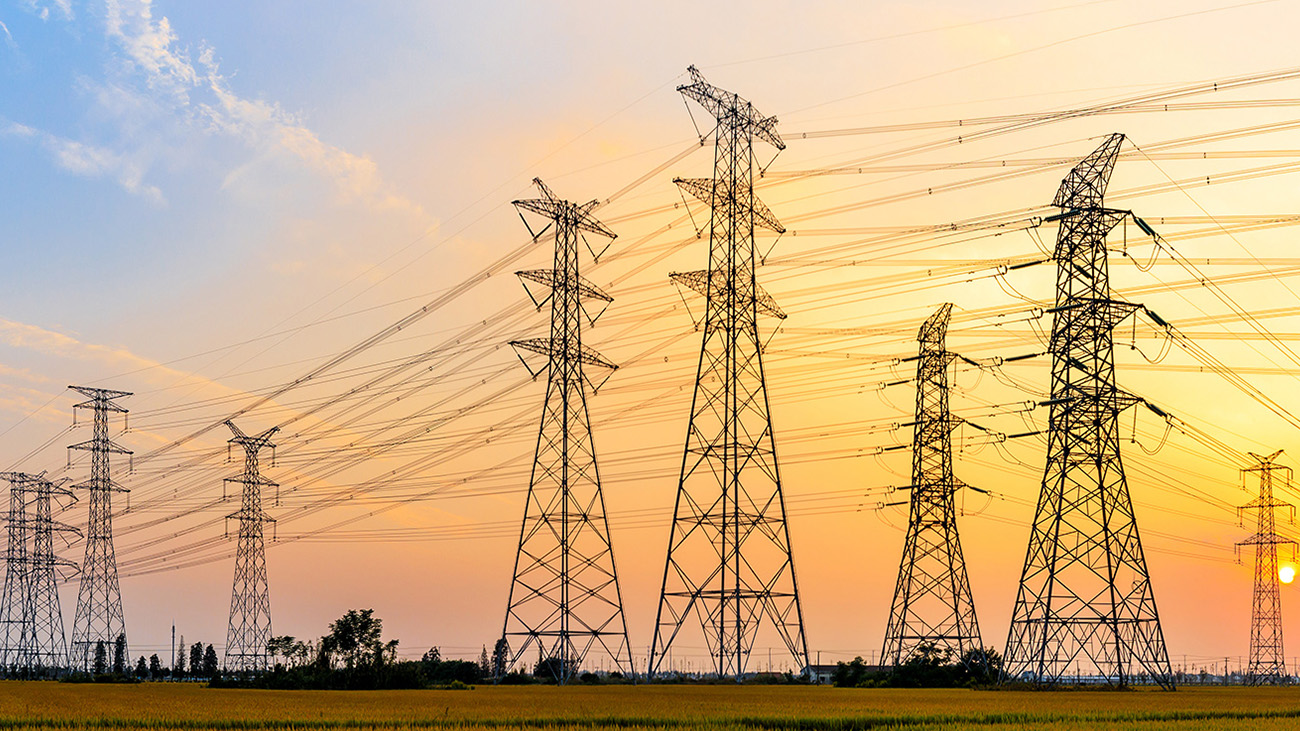
At least 1,232 households in Rusizi District, Western Province, are set to receive compensation as Rwanda advances land acquisition for the 206MW Ruzizi III Regional Hydropower Project.
The project, being developed jointly by Burundi, the Democratic Republic of the Congo and Rwanda through a public-private partnership, is expected to strengthen regional electricity supply and expand access to affordable renewable energy.
Project developers have completed the identification, inventory and valuation of affected land, homes, crops, trees and other assets, while a list of eligible beneficiaries has been published.
June 8, 2026, had been designated as the cut-off date for compensation claims, meaning any assets or developments added after that date will not qualify for compensation.
A regional plant, three decades in the making
Ruzizi III is a joint undertaking by Burundi, the Democratic Republic of the Congo and Rwanda, built and run through a special-purpose company, Ruzizi III Energy Limited, with private sponsors including Industrial Promotion Services, the infrastructure arm of the Aga Khan Fund for Economic Development, and SN Power.
The roughly $800 million plant is the third in a cascade on the Ruzizi River, after the much smaller Ruzizi I and Ruzizi II, and its output is to be shared equally among the three countries.
The significance of a compensation list is easier to see against the project's history. Ruzizi III has been talked about for the better part of two decades, repeatedly delayed by financing gaps, governance disputes and the sheer complexity of getting three governments to agree.
Officials have spoken of clearing past delays and beginning construction around the turn of 2026. A land acquisition cut-off date is not glamorous, but it is the kind of concrete, on-the-ground step that distinguishes a project that is actually happening from one that exists only on paper.
A regional project inside a fragile peace
Ruzizi III is one of the projects folded into the economic framework accompanying the US-brokered peace agreement between Rwanda and the DRC, which seeks to link cross-border investment and infrastructure development to efforts to stabilise eastern Congo.
That background cuts both ways. The Congolese share of the plant sits in South Kivu, the province at the centre of the fighting, where the M23 rebellion took the provincial capital, Bukavu, in early 2025.
Relations between Kigali and Kinshasa have been severely strained, and the peace process has been shaky, with clashes continuing on the ground after the December 2025 signing and Washington imposing sanctions over alleged violations in early 2026.
For a plant that needs three governments to build, finance and split its power, this is both the opportunity and the risk. A working regional dam could become a visible dividend of peace. A return to open conflict could just as easily freeze it.
The same logic explains the interest of Anzana Electric Group, a US power company that has signed a letter of intent to take a minority stake.
Washington has framed energy investment in the border region as part of its push to back the peace deal and expand American commercial access in the area.
What the compensation covers, and who pays for it
The 1,232 households are being compensated for a mix of land, crops, trees and structures, not only for homes, which is why the eligible list runs well beyond people losing a house.
The published valuation and cut-off are meant to fix who qualifies and on what basis before construction begins, under a Resettlement Action Plan that the developers say meets both Rwandan law and international lender standards.
That lender scrutiny is real, because the project is heavily backed by development finance. Its supporters include the World Bank, the African Development Bank, the European Union, the European Investment Bank, Agence Française de Développement, KfW, the International Finance Corporation and British International Investment.
Institutions like these attach social and environmental conditions to their money, which is part of why the resettlement process is being documented this carefully.
Why Rwanda needs the power
For the East African country, the timing fits a grid under growing pressure. Demand is rising on the back of industrialisation, urbanisation and a push into electric mobility, and the Energy Private Developers chief executive, Serge Wilson Muhizi, has argued that expanding generation is essential to sustain growth and attract investment. Industry voices warn that wider take-up of electric vehicles could strain the grid further if generation and transmission do not keep pace.
Rwanda is pursuing a $3 billion energy plan to roughly double installed capacity to 1,066 MW and reach universal access by 2030, including about $1 billion in private financing.
Once running, Ruzizi III is expected to lift Rwanda's renewable capacity by close to 30 per cent, almost double Burundi's installed capacity and feed baseload power into eastern DRC. Rwanda already generates over half of its electricity from renewables, adding large-scale plants dramatically shifts its energy landscape.
Related Stories
Sign up for our newsletter.
Get the latest news, expert analysis, and industry insights delivered straight to your inbox. Join thousands of professionals shaping the future of energy.
By submitting my information, I agree to the Privacy Policy and Terms of Service.