Renewables
Scatec, Aeolus Reach Financial Close on 120MW Tunisia Solar Project
The project adds momentum to Tunisia’s renewable energy ambitions, backed by international financing aimed at strengthening energy security, expanding clean power generation and reducing carbon emissions.
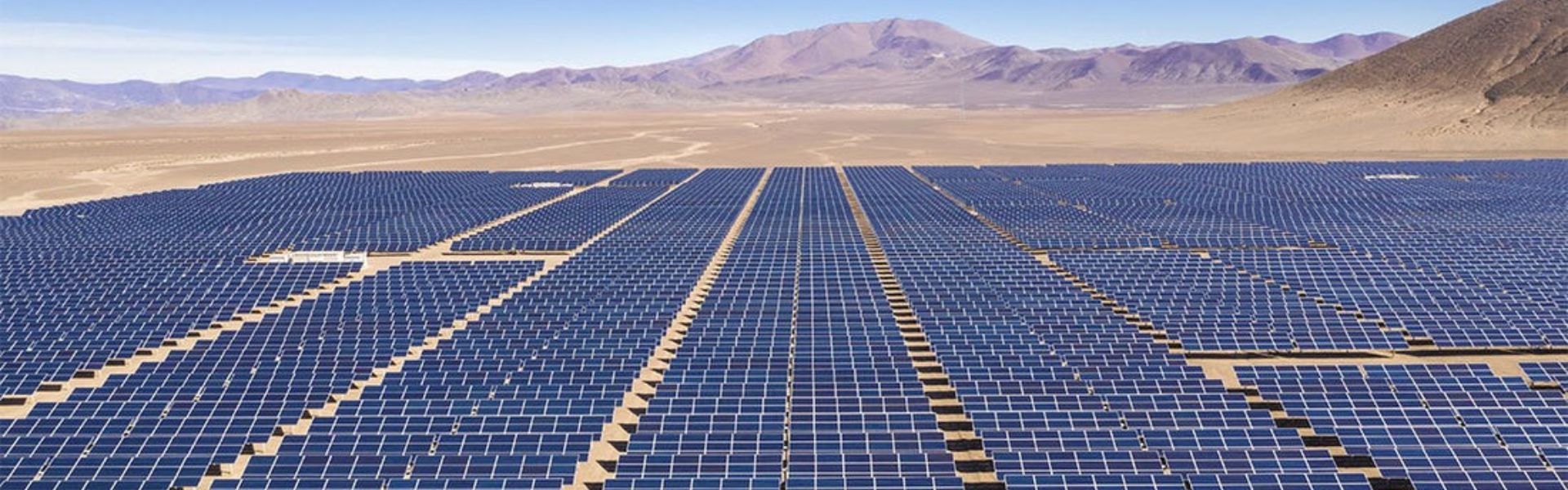
Norwegian renewable energy company Scatec ASA and Aeolus SAS, a subsidiary of Toyota Tsusho Corporation, have reached financial close and commenced construction of the 120MW Sidi Bouzid II solar project in Tunisia.
Developed through a 50:50 partnership between the two companies, the project represents a €96 million investment and is expected to begin commercial operations in the second half of 2027.
The solar facility was awarded under a government tender in December 2024 and will operate under a long-term power purchase agreement (PPA) designed to support Tunisia’s renewable energy expansion and strengthen national energy security.
Once operational, the Sidi Bouzid II solar plant is expected to generate approximately 276GWh of electricity annually and avoid nearly 107,000 tonnes of carbon dioxide emissions each year.
Scatec Chief Executive Officer, Terje Pilskog, described the project as an important milestone for the company’s growing presence in Tunisia.
“Sidi Bouzid II is our third project starting construction in Tunisia and reinforces our partnership with Aeolus and our position in Tunisia, with strong fundamentals for renewables and strong growth potential,” Pilskog said.
The project will be financed through a combination of equity and non-recourse debt, with approximately 70% leverage. Funding support includes loans from the European Bank for Reconstruction and Development (EBRD) and the European Investment Bank (EIB).
Additional support is being provided through grants from the European Union’s Neighbourhood Investment Platform (NIP) and guarantees from the European Fund for Sustainable Development Plus (EFSD+).
Scatec will also serve as the engineering, procurement and construction (EPC) contractor for the project and will provide asset management, as well as operations and maintenance services throughout the plant’s lifecycle.
The development forms part of Tunisia’s broader efforts to increase renewable energy generation, diversify its energy mix and reduce dependence on imported fuels while improving long-term energy security.
Related Stories

Sign up for our newsletter.
Get the latest news, expert analysis, and industry insights delivered straight to your inbox. Join thousands of professionals shaping the future of energy.
By submitting my information, I agree to the Privacy Policy and Terms of Service.