Renewables |Power
Nigeria’s First Solar-Powered Smart City Set to Create Thousands of Jobs
The Abuja solar-powered smart city is expected to boost employment, attract investment, and expand opportunities in technology, engineering, and renewable energy sectors.
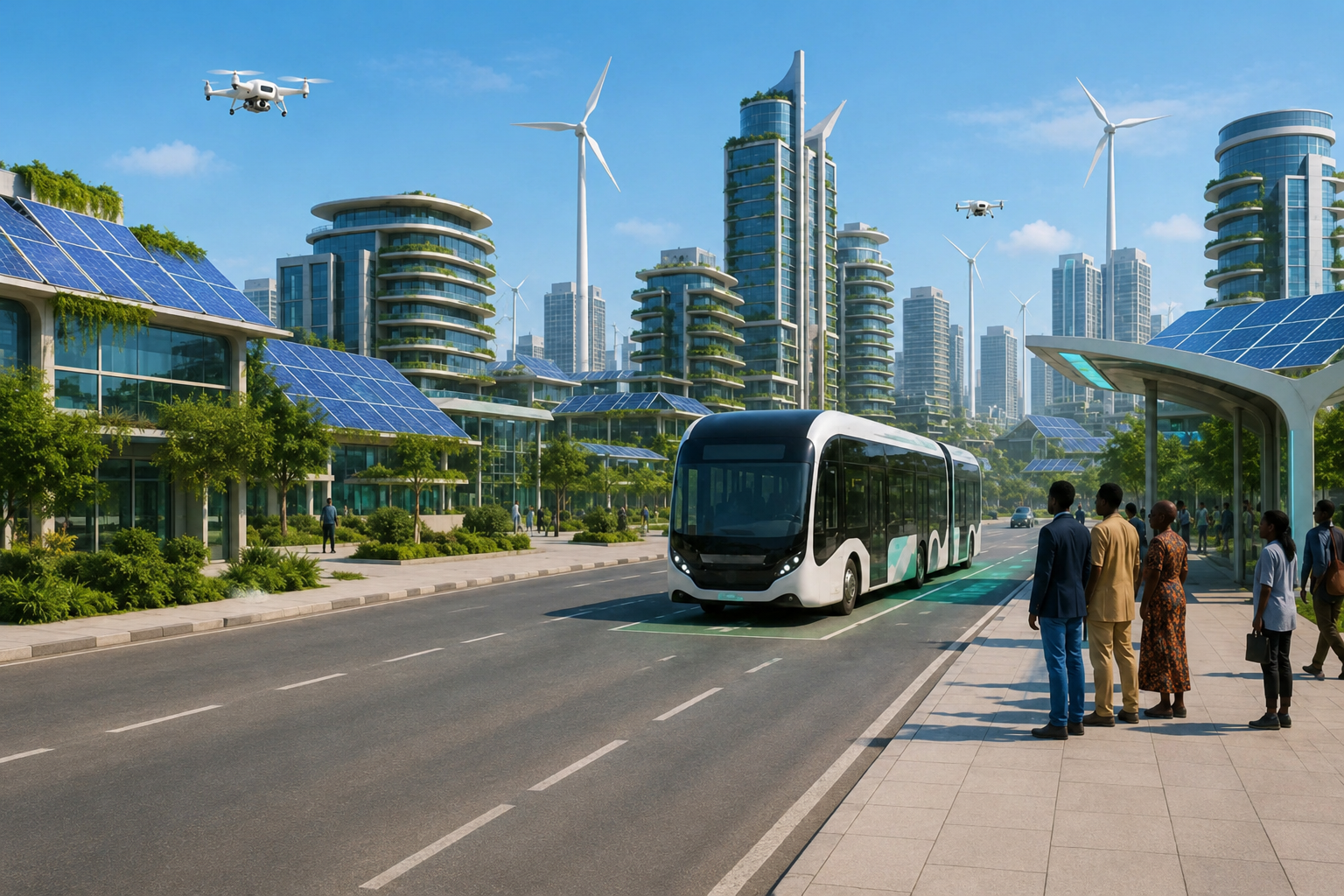
Nigeria's first fully solar-powered smart city is expected to create thousands of jobs across engineering, construction, information technology, and renewable energy sectors, as the country pushes for cleaner energy and modern urban development.
The development, located on the outskirts of Abuja, is being projected as a major source of employment and economic activity for Nigerians. Government officials said the project will provide direct and indirect job opportunities during its operation while supporting growth in key sectors of the economy.
The smart city is designed to accommodate more than 500,000 residents and will rely entirely on solar energy to power homes, public facilities, transport systems, healthcare centres, and security infrastructure.
According to officials, the project combines renewable energy with modern technology to create a new model for urban living. The city includes solar-powered houses, intelligent traffic management systems, autonomous electric buses, and healthcare centres supported by artificial intelligence.
The project is also expected to drive demand for skilled workers in areas such as software development, data management, renewable energy installation, engineering services, and technical maintenance.
Government representatives said the city could serve as a model for future developments across the country. They noted that lessons learned from the project would help shape similar initiatives planned for other parts of Nigeria in the coming years.
The city's digital infrastructure includes free high-speed internet access, online government services, and advanced security systems. These features are expected to support business activities and improve access to public services for residents.
The project has also attracted attention from international investors and technology firms. Several companies have expressed interest in exploring partnerships that could support the expansion of similar developments in other regions.
Environmental experts have welcomed the initiative, saying it has the potential to reduce carbon emissions while helping to meet growing energy needs. They noted that increased use of renewable energy could reduce pressure on traditional power sources and contribute to cleaner urban environments.
Residents who visited the city during public tours expressed optimism about the opportunities it could bring. Many pointed to the possibility of new jobs, improved services, and better living conditions as key benefits of the development.
The government has indicated that more solar-powered smart cities could be built in Lagos, Kano, Port Harcourt, and Enugu over the next decade if the Abuja project performs as expected.
The expansion of such projects, officials claim, could strengthen Nigeria's position in renewable energy, technology, and sustainable urban development while creating additional employment opportunities for citizens across the country
Related Stories

Sign up for our newsletter.
Get the latest news, expert analysis, and industry insights delivered straight to your inbox. Join thousands of professionals shaping the future of energy.
By submitting my information, I agree to the Privacy Policy and Terms of Service.