Renewables |Power
Solar Demand Sends Africa’s Imports Past $400m — Report
Not less than fifteen African countries spent more than $400 million on solar panels in just three months of 2026, nearing their full 2025 figure.
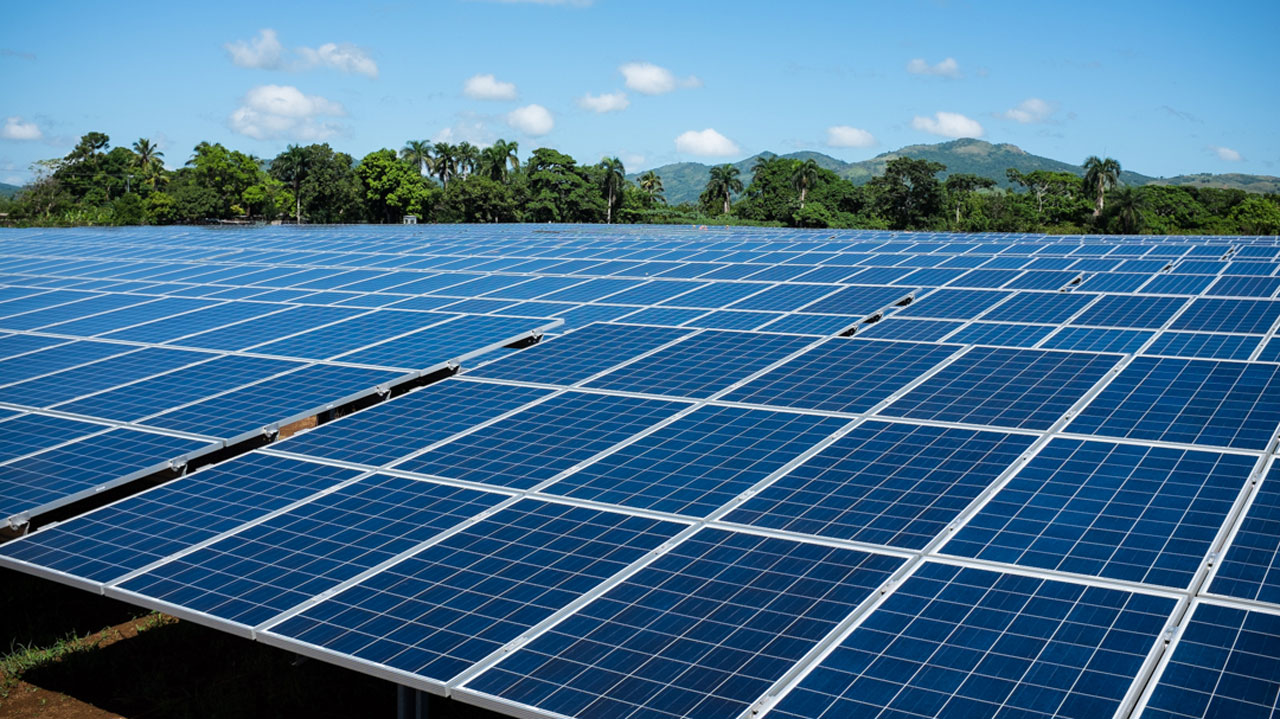
Solar panel imports into 15 African countries exceeded $400 million in the first quarter of 2026, with households and businesses turning to alternative power sources amid energy problems.
The International Energy Agency, IEA, reported the figure in its 2026 World Energy Investment report, which compared the first-quarter figure with $650 million recorded by the same 15 countries for all of 2025.
The rise came as changing views about energy security and reliability encouraged countries to explore renewable sources that are available within their borders.
The IEA said solar panels and batteries could help households and businesses protect themselves partly from energy shocks.
The agency did not name the 15 African countries that recorded the solar imports.
Solar takes bigger place in energy spending
The African figures come against a global renewable energy investment of about $665 billion each year.
Solar accounts for $365 billion of that amount, equal to about $1 billion every day. Wind attracts about $200 billion annually, while hydropower receives roughly $75 billion.
The IEA said investment in renewable power projects has fallen year-on-year since 2024, after several years of rapid growth.
Renewable sources still account for 70 per cent of total spending on power generation.
The agency attributed part of the decline to lower technology costs, especially for solar panels.
Policy changes in China and the United States have also increased revenue and project risks for some renewable energy projects.
The IEA said renewable resources are widely available around the world, with early signs of higher deployment in some markets hit heavily by the energy crisis.
“Changing perceptions of risk and reliability are expected to spur renewed interest in a range of domestically available energy resources,” the agency said.
It also reported that solar panel imports into developing countries in Asia and Africa had jumped in recent months.
Nigeria’s solar market expands
Nigeria recorded its strongest year for solar energy growth in 2025, alongside South Africa, which were identified as leading contributors to new capacity, policy progress and private-sector investment.
The country has continued to develop as a major solar market, supported by policy reforms and private-sector investment.
Nigeria imported more than four million solar panels in 2023, with the imports valued at $200 million.
By early 2025, the value of solar imports had reached N125.29 billion.
The Rural Electrification Agency estimates that at least five million off-grid solar systems are required to serve underserved communities.
The Nigerian Electricity Regulatory Commission has also proposed rules that would allow solar users to sell excess electricity to the national grid.
The proposal is intended to improve returns for solar users and support grid stability.
The new African import figures show how households and businesses are turning to solar panels and batteries as alternative power sources.
The IEA said such systems can provide some protection from energy shocks by giving users another source of electricity.
“Solar panel imports to developing countries in Asia and Africa have jumped in recent months,” the agency said.
Related Stories



Sign up for our newsletter.
Get the latest news, expert analysis, and industry insights delivered straight to your inbox. Join thousands of professionals shaping the future of energy.
By submitting my information, I agree to the Privacy Policy and Terms of Service.