Power
Solar Power Plan Puts Nigerian Universities on Path to Grid Independence
Federal Government plans dedicated solar mini-grids for campuses, with savings on electricity bills available for academic needs.
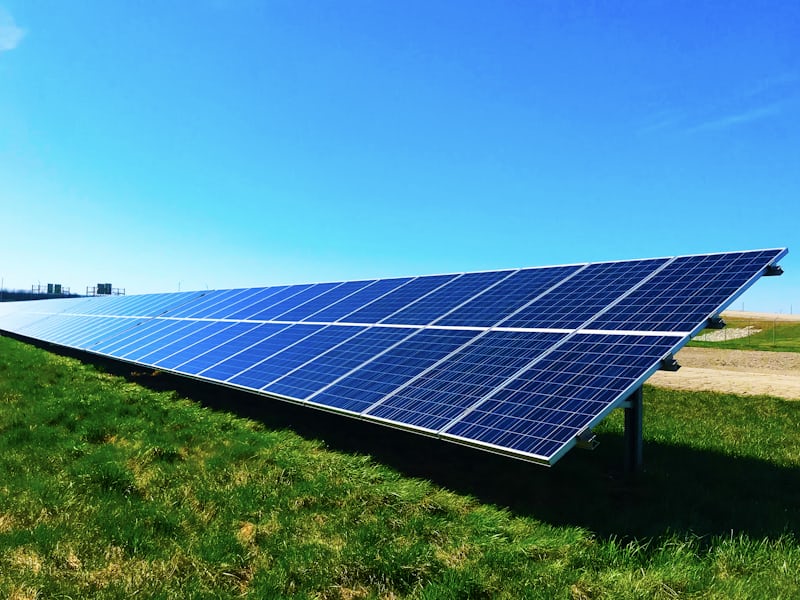
The Federal Government plans to provide Nigerian universities with dedicated solar-powered mini-grids, allowing campuses to operate without relying on the national electricity grid because repeated power failures have disrupted teaching, research and campus services.
The Minister of Education, Dr Maruf Tunji Alausa, disclosed the plan in a recent interview, saying each university would have solar power systems serving important facilities such as lecture halls and student accommodation.
The proposal could also change how universities spend money on electricity. Alausa said institutions could use money now spent on power bills for academic development and essential equipment.
Campuses to get dedicated power systems
The minister said unstable electricity has created particular problems for scientific research and contributed to a decline in the quality of campus life.
Research activities can require continuous electricity, especially where laboratories depend on powered equipment during experiments. The government’s proposed system would give universities their own solar electricity supply for such needs.
Alausa said the plan would not depend on the conventional transmission network. The solar systems would serve university facilities directly, including lecture halls and student accommodation.
The proposal also covers hospitals attached to universities. Alausa pointed to the difficulty of running such facilities with diesel generators when electricity supply fails.
"We are taking our campuses off the national grid with dedicated solar power. You cannot build a modern university system where students cannot read at night, laboratories lose power in the middle of experiments, and hospitals attached to our universities are forced to run on noisy, expensive diesel generators," he said.
The statement places university electricity supply within the government’s plan for dealing with problems that affect academic work when power is unavailable.
For students, reliable electricity would provide power for reading and other academic activities at night. For laboratories, the proposed solar systems would provide electricity without dependence on the national transmission network.
The financial side is also significant for the institutions. Alausa said electricity bills have placed heavy pressure on university finances, with large amounts spent every month on power.
He said the money could instead support faculties and the purchase of equipment if universities had their own solar power systems.
"The burden of electricity tariffs has been one of the heaviest strains on university finances. Instead of universities sinking hundreds of millions into electricity bills every single month, funds that should be expanding faculties or buying equipment, we are solving this structurally with clean, captive energy that operates around the clock," he said.
The proposed arrangement therefore has two direct aims: give universities a dedicated source of electricity and reduce the amount institutions spend on power.
The minister presented captive solar energy as a long-term answer to the cost of powering university facilities. Under the proposal, universities would operate dedicated solar systems capable of supplying electricity to important parts of their campuses.
The plan comes against the background of repeated electricity disruptions that have affected university activities. Alausa said those disruptions have affected teaching, research and other activities within university communities.
The proposed solar systems are intended to reduce that dependence by giving campuses their own electricity supply.
The government’s plan would therefore change the source of electricity used by universities, with dedicated solar systems supplying campuses instead of relying on the national grid for their power needs.
For university finances, the minister said the savings from electricity bills could provide funds for academic needs, including expanding faculties and buying equipment.
The proposed systems are also intended to provide continuous electricity for university facilities, including student accommodation, lecture halls, laboratories and hospitals attached to universities.
Related Stories

Sign up for our newsletter.
Get the latest news, expert analysis, and industry insights delivered straight to your inbox. Join thousands of professionals shaping the future of energy.
By submitting my information, I agree to the Privacy Policy and Terms of Service.