Power
South Africa’s Energy Transition Faces Grid Test
UCT panel says new power generation will need major transmission investment as the country deals with affordability and the future of its electricity system.
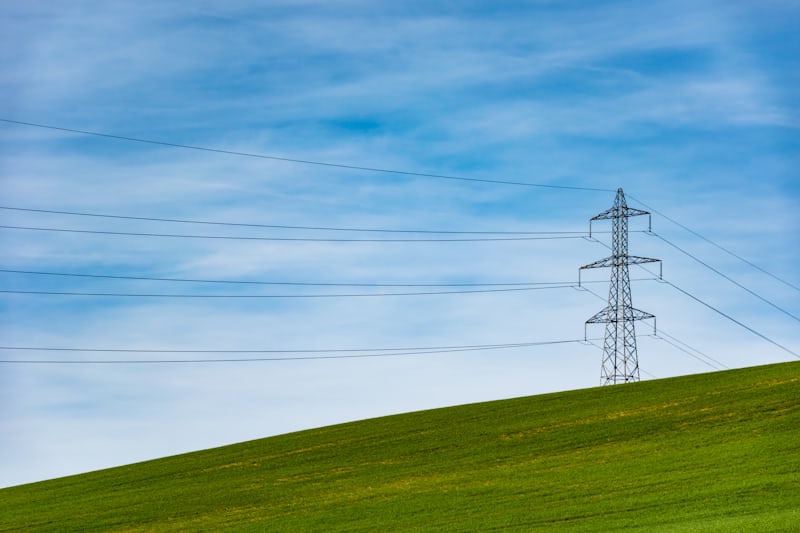
South Africa’s plan for cleaner electricity faces a major grid test, as experts at the University of Cape Town (UCT) warn that about 14,000km of new transmission lines will be needed within five to 10 years to connect new power plants.
The warning was given at a UCT energy forum held on 25 August 2026, where researchers, government, business and civil society examined the country’s electricity system after the worst period of load shedding.
Dan Ginsberg, executive director and head actuary at Discovery Green, said the required transmission work would be part of an estimated R2 trillion bill for new generation and grid infrastructure.
“The public fiscus cannot afford this, making private sector investment critical,” Ginsberg said.
The size of the grid requirement puts transmission alongside power generation as one of the main financial challenges facing South Africa’s energy system.
New power needs a bigger grid
Ginsberg said South Africa would need to build 14,000km of new transmission wires over the next five to 10 years to support new power plants.
The scale of that task can be seen in Eskom’s recent construction record. Ginsberg said Eskom built only 186km of transmission lines in a nine-month period last year.
The figures were presented at the sixth Collective Conversations: On Science for Society forum hosted by UCT. The series, launched in April 2025, brings together people from different sectors to discuss major social issues affecting Africa.
The 25 August event, titled “South Africa’s energy transition: After the crisis”, brought together voices from academia, government, business and civil society.
Professor Harro von Blottnitz, director of UCT’s Energy Systems Research Group, said South Africa’s electricity crisis had reached a different stage because of rooftop solar, private renewable generation, improved generation performance and battery storage.
He said the structural causes of load shedding had been resolved, although public trauma from the crisis was still high.
His assessment was not shared fully by Alwie Lester, special adviser on energy to the Western Cape Premier and a former Eskom employee with 25 years of experience at the utility.
Lester said government had responded with urgency during load shedding but had not done enough to deal with the industry’s structural problems.
He also warned that changes at Eskom could create capacity shortages in grid management.
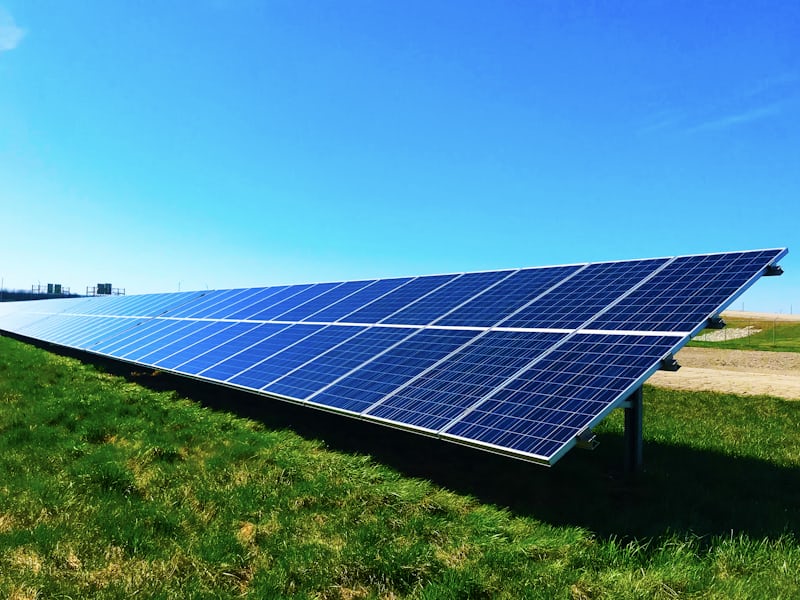
The grid issue is especially important as more electricity is produced outside the traditional Eskom system. New solar and other renewable projects need transmission infrastructure to take electricity from power plants to places where it is needed.
Rooftop solar changes electricity supply
Dr Joel Nana, project manager at Sustainable Energy Africa and a UCT PhD alumnus, said citizens and businesses were already playing a major part in the continent’s energy transition.
He said rooftop solar accounts for 75% of all solar installations in Africa.
South Africa has seen about 9GW of rooftop solar installed by citizens and businesses within three years. Nana said this matched the renewable capacity procured by the government over 15 years.
He proposed a system that would allow people producing extra solar electricity to credit some of that power to relatives living elsewhere.
“If I built this big solar PV system on my roof and generate more than I need, the regulations allow me to inject or export the excess to the grid and be compensated for it. But why can't I account some of that to my mom's electricity bill in the village?” Nana asked.
He said regulations and policies should allow more people to participate in the electricity market.
The panel also examined the cost of electricity. Ginsberg said electricity tariffs would be about a quarter of their current price if they had only kept up with inflation over the past 20 years.
South Africa also produces the dirtiest electricity in the world per kilowatt-hour because of its dependence on coal, he said.
Lester said affordability had become a major issue as load shedding declined. He also warned that South African exports could face pressure from the European Union’s Carbon Border Adjustment Mechanism if production continued to depend on coal-generated Eskom electricity.
The panel further examined falling electricity demand linked to de-industrialisation and consumers leaving the grid. Ginsberg said municipalities had increased fixed network charges as wealthy consumers went off-grid.
Lester said Cape Town’s demand for Eskom electricity had fallen by 6% over 10 years, but Eskom had kept its cost structure and increased fixed network charges on consumers who stayed connected.
Related Stories

Sign up for our newsletter.
Get the latest news, expert analysis, and industry insights delivered straight to your inbox. Join thousands of professionals shaping the future of energy.
By submitting my information, I agree to the Privacy Policy and Terms of Service.